 Elsa Addison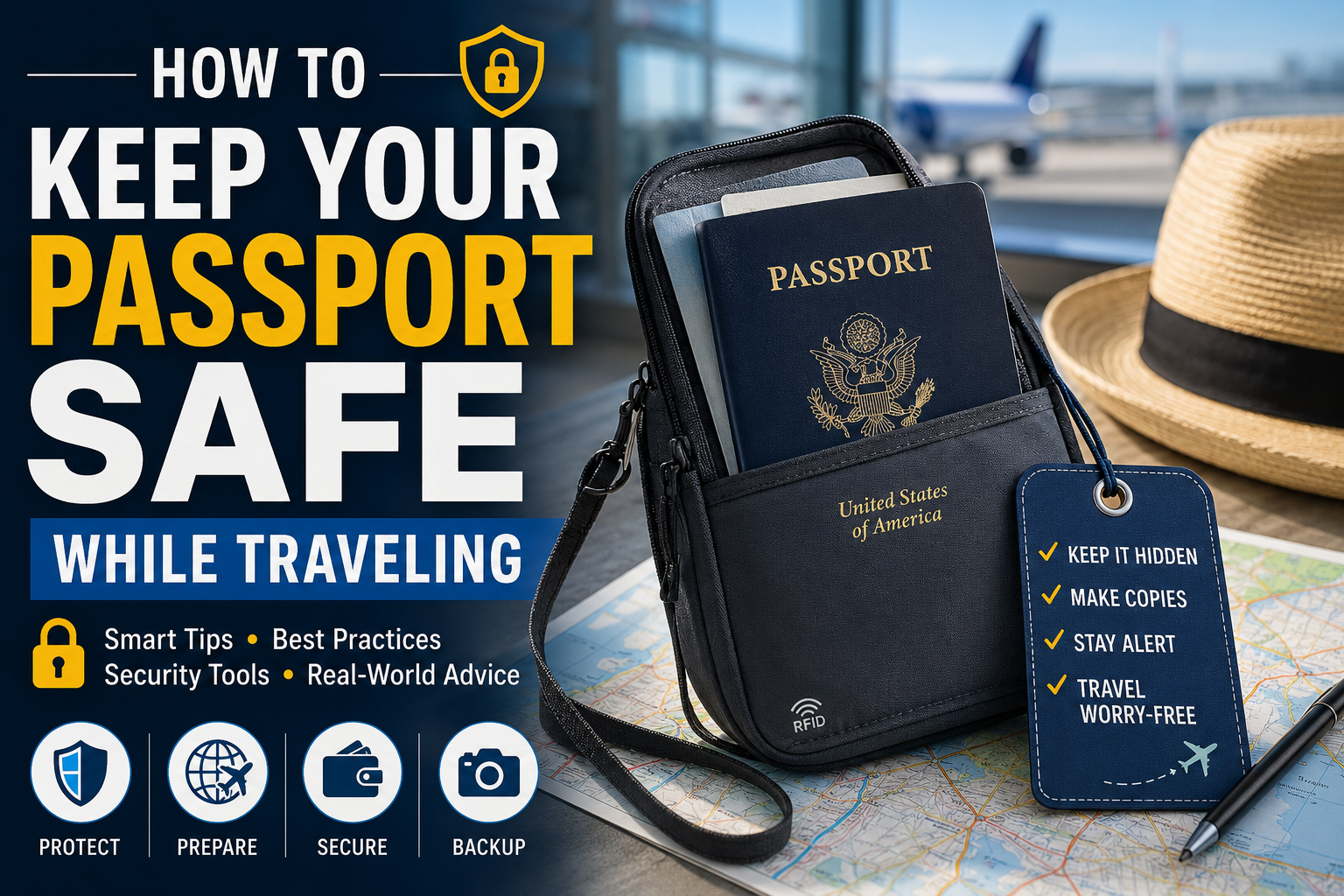
Traveling should be exciting, not stressful. Yet one of the biggest fears many travelers share is losing their passport in a foreign country.
I learned this lesson during a trip several years ago when I watched a fellow traveler panic at an airport after realizing his passport was missing. What started as a simple vacation turned into days of embassy visits, canceled plans, and unexpected expenses. Watching that situation unfold made me rethink how I protect my own travel documents.
Since then, I’ve spent years researching travel security practices, testing different storage methods, and learning from experienced travelers. One thing has become clear: keeping your passport safe while traveling doesn’t require expensive gadgets or complicated systems. It simply requires planning and a few smart habits.
In this guide, I’ll share the strategies that have worked best for me and countless other travelers. Whether you’re planning your first international trip or you’re a seasoned globetrotter, these tips can help you protect one of your most important possessions.
Why Passport Security Matters More Than Most Travelers Realize
A passport isn’t just another piece of identification.
It’s your proof of citizenship, your international travel document, and often your primary form of identification abroad.
Losing it can create problems such as:
- Missed flights
- Delayed travel plans
- Emergency embassy visits
- Additional travel expenses
- Identity theft risks
- Visa complications
According to travel assistance providers and government travel advisories, lost or stolen passports remain one of the most common travel emergencies reported worldwide.
The good news is that most passport-related problems are preventable.
See More: How to Work While Traveling Full-Time
Common Ways Travelers Lose Their Passports
Before discussing solutions, it’s important to understand the most common risks.
In my experience researching travel incidents, passports are usually lost because of simple mistakes rather than sophisticated theft.
Leaving It Behind
Many travelers accidentally leave passports:
- In hotel safes
- Airport security bins
- Taxi back seats
- Restaurant tables
- Rental cars
The stress of moving between locations often causes these oversights.
Pickpocketing
Tourist hotspots frequently attract professional thieves.
Popular destinations in major cities often see increased pickpocket activity around:
- Train stations
- Tourist attractions
- Public transportation
- Crowded events
Bag Theft
A stolen backpack or purse can instantly create a passport crisis if your document is inside.
This is why relying on a single storage location can be risky.
The Best Place to Keep Your Passport While Traveling
One of the most debated travel questions is where to carry your passport.
After trying multiple approaches, I’ve found that the safest option depends on the situation.
When Exploring a City
For daily sightseeing, I usually use an RFID-blocking neck wallet or hidden money belt worn underneath clothing.
Popular travel gear brands include:
- Pacsafe
- Travelon
- Eagle Creek
- Zero Grid
These products add an extra layer of protection against theft.
Benefits
- Hidden from view
- Difficult for pickpockets to access
- Comfortable for extended walking
When Staying at a Hotel
If your accommodation has a secure in-room safe, this may be a good option.
However, I never rely solely on a hotel safe.
Instead, I:
- Store the passport securely.
- Keep a digital backup.
- Carry a photocopy separately.
This backup strategy has saved many travelers from major headaches.
Create Digital and Physical Passport Backups
This is one of the simplest yet most overlooked travel security practices.
Before every trip, I create several copies of my passport.
Digital Copies
I save:
- Passport photo page
- Visa pages (if applicable)
- Emergency contact information
Storage options include:
- Google Drive
- Dropbox
- Microsoft OneDrive
- Encrypted password managers like 1Password
I was skeptical at first about storing documents digitally, but using secure cloud storage has proven incredibly useful when accessing important information abroad.
Physical Copies
I also carry printed copies stored separately from the original passport.
For example:
- One copy in luggage
- One copy in a day bag
- One copy with a trusted travel companion
If the original disappears, these copies can significantly speed up replacement procedures.
Avoid These Common Passport Security Mistakes
Over the years, I’ve noticed travelers repeatedly make the same errors.
Carrying It Everywhere
Many travelers assume they should always carry their passport.
In reality, some destinations only require a photocopy for everyday identification.
Check local regulations before deciding.
Storing Everything Together
Never keep:
- Passport
- Credit cards
- Cash
- Travel insurance documents
in the same place.
If one item is stolen, you don’t want to lose everything at once.
Posting Passport Photos Online
It may seem harmless to post a “vacation is starting” photo featuring your passport.
However, visible passport information can expose personal details.
Always keep passport information private.
How RFID Wallets and Travel Security Gear Help
Travel security products have improved dramatically in recent years.
While they aren’t magic solutions, they can reduce risk.
RFID-Blocking Wallets
These wallets help prevent unauthorized scanning of RFID-enabled documents.
Popular options include:
- Pacsafe RFIDsafe series
- Travelon RFID products
- Bellroy travel wallets
Anti-Theft Bags
Features often include:
- Lockable zippers
- Slash-resistant straps
- Hidden compartments
I’ve used anti-theft backpacks during busy international trips and found the added security reassuring, especially in crowded transportation hubs.
What to Do If Your Passport Is Lost or Stolen
Even with careful planning, accidents happen.
Knowing the response process can save valuable time.
Step 1: Stay Calm
Panic often makes the situation worse.
Retrace your recent steps and check:
- Hotel safe
- Bags
- Clothing pockets
- Transportation providers
Step 2: Report the Loss
If theft is suspected:
- Contact local police
- Request a police report
Many embassies require documentation.
Step 3: Contact Your Embassy or Consulate
Most countries provide emergency passport replacement services.
Bring:
- Passport copies
- Alternative identification
- Passport photos (if required)
- Police report
Step 4: Notify Airlines if Necessary
If your travel plans are affected, contact airlines immediately to discuss rebooking options.
Passport Safety Tips for Families
Traveling with children adds another layer of responsibility.
Families should consider:
Separate Storage
Avoid carrying every family passport in one bag.
Distribute them among trusted adults.
Child Identification
Keep:
- Recent photos of children
- Emergency contact details
- Copies of birth certificates
These documents can help during emergencies.
Emergency Contact Sheet
Create a simple document containing:
- Hotel information
- Embassy contacts
- Travel insurance details
- Emergency phone numbers
Store digital and printed versions.
Quick Passport Safety Checklist Before Every Trip
Before leaving home, I run through this simple checklist:
✔ Passport validity checked
✔ Digital copies saved
✔ Physical copies printed
✔ Travel insurance purchased
✔ Embassy contact information stored
✔ RFID wallet or secure storage prepared
✔ Emergency contacts updated
✔ Passport photos available
This takes less than 15 minutes but can prevent major problems later.
Frequently Asked Questions
1. Is it safer to carry my passport or leave it in the hotel?
It depends on your destination and hotel security. In many cases, a secure hotel safe combined with a photocopy is safer than carrying your passport around crowded tourist areas. Always verify local identification requirements.
2. What should I do immediately if my passport is stolen abroad?
Report the theft to local authorities, obtain a police report, contact your embassy or consulate, and use your backup copies to help verify your identity.
3. Are digital passport copies accepted as official identification?
Usually not. Digital copies cannot replace an actual passport, but they can help prove your identity and speed up replacement procedures if the original is lost.
Final Thoughts:
One of the biggest lessons I’ve learned from years of travel research and real-world observations is that passport safety isn’t about being paranoid—it’s about being prepared.
Most passport emergencies happen because travelers assume nothing will go wrong. The travelers who avoid major problems usually follow simple habits: they create backups, use secure storage, stay aware of their surroundings, and know exactly what to do if something unexpected happens.
Before your next trip, spend a few minutes implementing the strategies in this guide. That small investment of time could save you days of stress, hundreds of dollars, and potentially a ruined vacation.
Your passport is your gateway to the world. Protect it accordingly, and you’ll travel with greater confidence and peace of mind.

 Mark Jones
 Michael Nelson