 Elsa Addison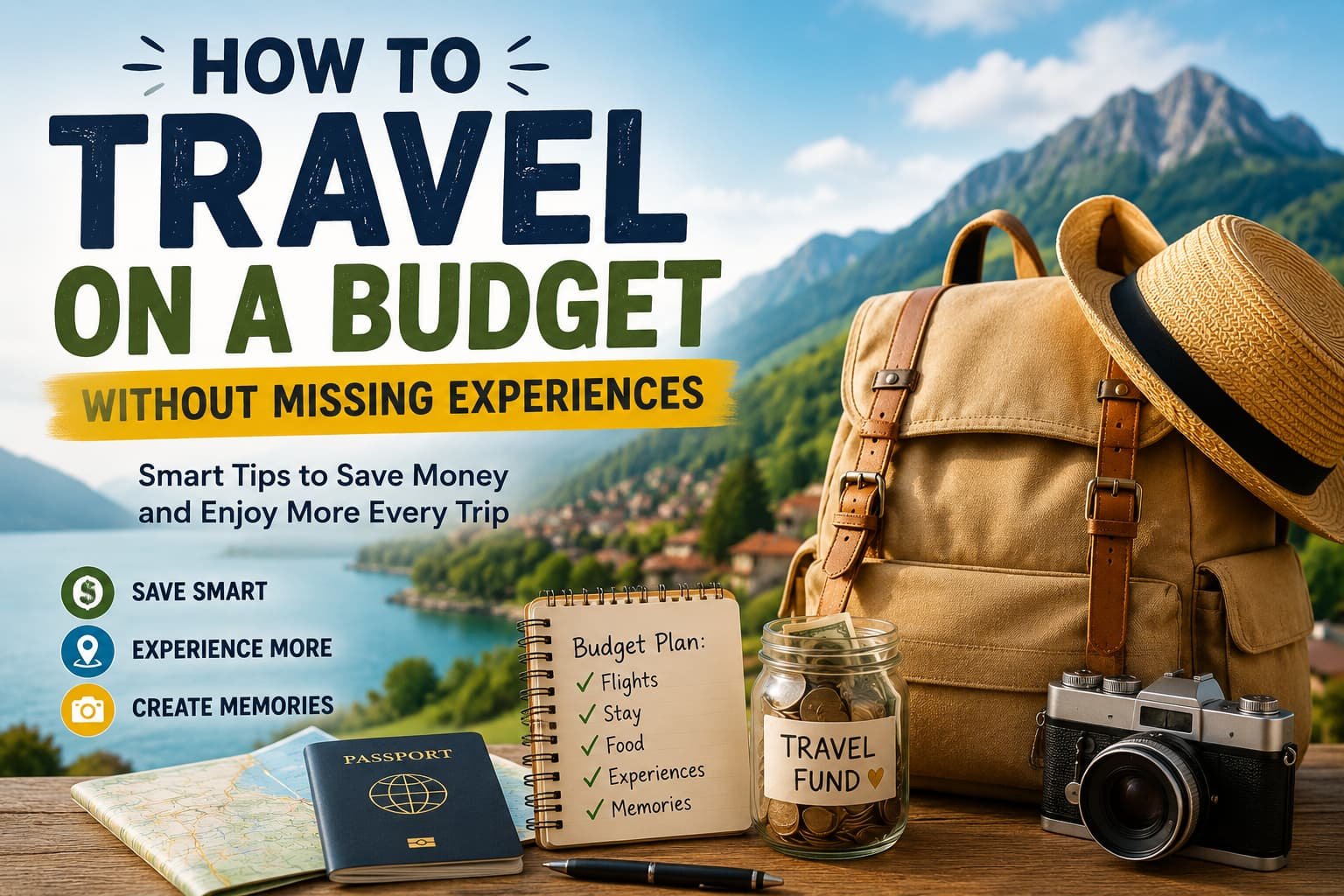
Travel is often portrayed as an expensive luxury, filled with first-class flights, luxury resorts, and endless spending. For years, I believed that too. I assumed that traveling on a tight budget meant sacrificing comfort, skipping attractions, and constantly worrying about money.
I was skeptical at first, but after planning several trips with limited budgets, I discovered something surprising: some of my most memorable travel experiences were also my least expensive.
One trip that completely changed my perspective was a week-long adventure where I spent less than half of what my friends spent on similar vacations. Yet when we compared stories afterward, I realized I had experienced just as much—sometimes even more. While they were spending hours at expensive tourist attractions, I was exploring hidden neighborhoods, meeting locals, and discovering authentic experiences that didn’t cost much at all.
The truth is that budget travel isn’t about being cheap. It’s about spending intentionally. With the right strategy, you can save money on the things that don’t matter as much and invest in the experiences that truly make a trip unforgettable.
In this guide, I’ll share practical strategies I’ve personally tested to help you travel on a budget without missing out on the experiences that make travel worthwhile.
Read More: How to Meet People While Traveling Alone
Why Budget Travel Doesn’t Mean Missing Out
One of the biggest misconceptions about travel is that spending more automatically leads to a better experience.
In reality, some of the most rewarding moments often cost very little.
Think about experiences like:
- Watching a sunrise over a mountain
- Exploring local markets
- Walking through historic neighborhoods
- Meeting local residents
- Trying authentic street food
- Visiting public beaches and parks
Many of these memorable moments cost little or nothing.
The key is understanding where to save and where to spend.
The Budget Traveler’s Mindset
In my experience, successful budget travelers focus on value rather than price.
Instead of asking:
“What’s the cheapest option?”
Ask:
“What’s the best experience for my money?”
This simple mindset shift changes everything.
For example:
- A $5 local food tour may be more memorable than a $100 chain restaurant meal.
- A walking tour can provide deeper cultural insight than an expensive sightseeing bus.
- A locally owned guesthouse can offer more authentic experiences than a luxury hotel.
Plan Early but Stay Flexible
One lesson I’ve learned repeatedly is that flexibility saves money.
The more flexible you are with dates, destinations, and transportation options, the more opportunities you’ll find.
Use Flight Comparison Tools
Before booking flights, I typically compare prices using:
- Google Flights
- Skyscanner
- Kayak
- Momondo
These platforms help identify cheaper travel dates and nearby airports.
Real Example
On one trip, changing my departure by just two days reduced airfare by nearly 30%.
That savings alone paid for several activities during the trip.
Set Fare Alerts
Most flight platforms allow you to create alerts.
You’ll receive notifications when prices drop, helping you book at the right time.
Save on Accommodation Without Sacrificing Comfort
Accommodation is usually one of the largest travel expenses.
Fortunately, there are several ways to reduce costs without lowering your overall experience.
Consider Alternatives to Hotels
I’ve often found excellent value through:
Vacation Rentals
Platforms like:
- Airbnb
- Vrbo
can provide:
- More space
- Kitchen access
- Local neighborhoods
- Lower costs for longer stays
Guesthouses and Boutique Stays
Many locally owned guesthouses offer:
- Personalized recommendations
- Authentic hospitality
- Better cultural experiences
Sometimes they’re significantly cheaper than major hotel chains.
Stay Slightly Outside Tourist Areas
One strategy I use regularly is staying one or two neighborhoods away from major attractions.
Benefits include:
- Lower accommodation prices
- Better local food options
- Less crowded environments
- More authentic cultural experiences
Transportation: Save Money While Exploring More
Transportation expenses can quickly add up.
Fortunately, some of the most affordable transportation options also provide richer travel experiences.
Use Public Transportation
Whenever possible, I choose:
- Trains
- Metro systems
- Public buses
- Regional rail networks
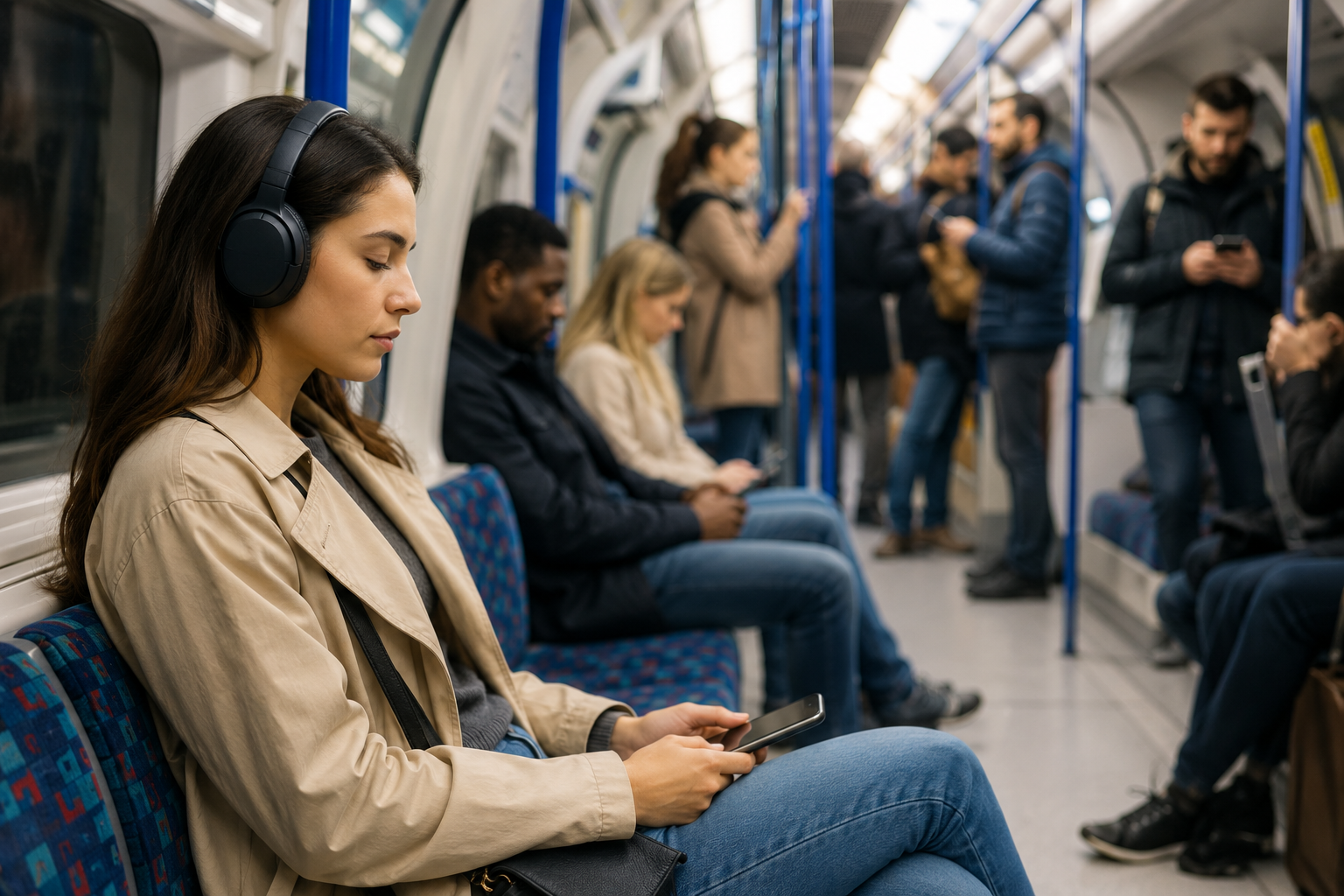
Besides saving money, public transit helps you experience daily local life.
Example
During a trip through Europe, using rail passes instead of domestic flights saved hundreds of dollars while allowing me to enjoy scenic routes I would have otherwise missed.
Walk Whenever Possible
Walking remains one of my favorite travel activities.
Benefits include:
- Free sightseeing
- Unexpected discoveries
- Better photography opportunities
- Deeper connection to destinations
Some of my favorite travel memories happened while wandering streets with no specific destination.
Eat Like a Local and Save Money
Food can either drain your budget or enhance your trip.
In my experience, eating locally often delivers both better value and better experiences.
Avoid Tourist Trap Restaurants
Restaurants located directly beside major attractions usually charge premium prices.
Instead:
- Walk a few blocks away
- Look for local crowds
- Check recent reviews
- Ask residents for recommendations
Explore Street Food and Local Markets
Some of the best meals I’ve ever had came from:
- Street vendors
- Farmers markets
- Family-owned cafés
- Neighborhood food stalls
Not only are these options affordable, but they often provide a more authentic taste of local culture.
Focus on Experiences, Not Souvenirs
One travel habit that transformed my budget was spending less on things and more on experiences.
It’s tempting to buy souvenirs, but many eventually end up forgotten in storage.
Experiences, on the other hand, create lasting memories.
Spend on What You’ll Remember
Examples include:
- Local cooking classes
- Cultural performances
- Guided walking tours
- Outdoor adventures
- Unique local activities
I rarely remember what I bought during trips, but I vividly remember the experiences.
Take Advantage of Free and Low-Cost Attractions
Many travelers overlook free attractions while chasing expensive activities.
Some of my favorite travel experiences have included:
- Public gardens
- Museums with free admission days
- Historic districts
- Beaches
- Hiking trails
- Local festivals
Research Before You Go
Tourism websites often list:
- Free events
- Community activities
- Public exhibitions
- Seasonal celebrations
A little research can uncover incredible opportunities.
Travel During Shoulder Season
If I had to choose one budget travel secret, this would be near the top of the list.
What Is Shoulder Season?
Shoulder season refers to the period between peak and off-peak travel times.
Benefits include:
- Lower prices
- Smaller crowds
- Better availability
- More enjoyable experiences
Real-World Example
I visited a popular coastal destination during shoulder season and paid nearly 40% less for accommodation while enjoying pleasant weather and uncrowded attractions.
Use Technology to Stretch Your Budget
Modern travel apps make budget planning easier than ever.
Helpful Travel Apps
Google Maps
Useful for:
- Navigation
- Public transportation routes
- Restaurant reviews
Rome2Rio
Helps compare transportation options.
XE Currency
Provides accurate exchange rates.
Trail Wallet
Great for tracking travel spending.
Google Translate
Can help avoid communication barriers and improve local interactions.
Common Budget Travel Mistakes to Avoid
Even experienced travelers make mistakes.
Here are some I’ve learned from personally.
Booking Too Late
Waiting too long often means paying higher prices.
Ignoring Hidden Fees
Watch for:
- Baggage charges
- Resort fees
- Currency conversion fees
- Transportation surcharges
Overpacking
Heavy luggage can lead to:
- Additional airline fees
- Transportation inconvenience
Trying to See Everything
Overloaded itineraries often increase costs and reduce enjoyment.
Focus on quality experiences rather than quantity.
How to Prioritize Spending
Not every expense deserves equal attention.
I typically divide travel spending into three categories:
Spend More On
- Unique experiences
- Safety
- Convenient transportation when necessary
- Once-in-a-lifetime opportunities
Save On
- Luxury accommodation upgrades
- Tourist traps
- Excessive souvenirs
- Unnecessary transportation
This approach helps maximize enjoyment while controlling costs.
Frequently Asked Questions
1. Can I travel internationally on a small budget?
Yes. Many destinations in Southeast Asia, Eastern Europe, Latin America, and parts of Africa offer incredible experiences at relatively low costs. Smart planning, affordable accommodations, and local transportation can make international travel surprisingly accessible.
2. How much money should I save before traveling?
The amount depends on your destination and travel style. I recommend creating a detailed budget that includes transportation, accommodation, food, activities, emergency funds, and travel insurance before setting a savings goal.
3. Is budget travel safe?
Budget travel can be very safe when you research destinations, stay aware of your surroundings, purchase travel insurance, and choose reputable accommodations and transportation providers.
Quick Budget Travel Tips
- Travel with carry-on luggage only.
- Use fare alerts before booking flights.
- Stay flexible with travel dates.
- Walk whenever possible.
- Eat where locals eat.
- Visit during shoulder season.
- Track spending daily.
- Prioritize experiences over purchases.
- Research free attractions.
- Book major expenses in advance.
Conclusion
Learning how to travel on a budget without missing experiences completely changed the way I see travel. Over time, I realized that memorable trips aren’t defined by how much money you spend—they’re defined by the experiences you collect, the people you meet, and the stories you bring home.
In my experience, the smartest travelers aren’t necessarily the ones with the biggest budgets. They’re the ones who know how to spend intentionally. By saving money on flights, accommodations, transportation, and unnecessary purchases, you can free up resources for the moments that truly matter.

 Mark Jones
 Michael Nelson