 Mark Jones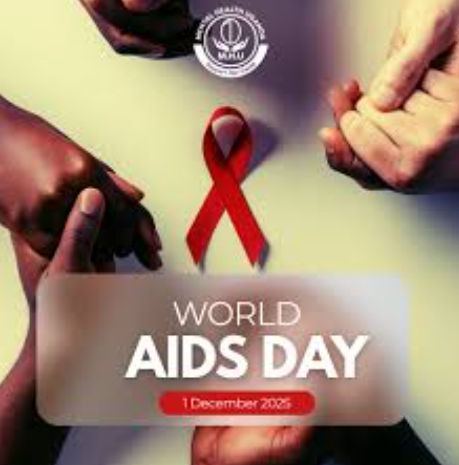
For many people, HIV is more than a medical condition it can also become an emotional battle shaped by fear, misunderstanding, and stigma. In my experience researching HIV awareness campaigns and reading stories from people living with HIV, I’ve learned that emotional healing is just as important as medical treatment. That’s exactly why the launch of HIV HAPPY on World AIDS Day stands out as more than a book release. It represents hope, resilience, and a reminder that life with HIV can still be meaningful, healthy, and fulfilling.
The latest edition of HIV HAPPY, written by Paul Thorn, encourages readers to challenge self-stigma, rebuild confidence, and embrace wellbeing. Combined with growing global awareness initiatives and advances in HIV treatment, the book sends a powerful message that people living with HIV deserve support, understanding, and every opportunity to thrive.
Overview
A recent World AIDS Day initiative also highlighted the growing global focus on improving HIV education and care.
On 2 December 2025, Dr. Fizza Gillani launched her latest book on strengthening HIV services during a World AIDS Day event hosted by the NUST School of Social Sciences and Humanities (S3H). The publication was developed through a collaborative US–Pakistani public health project aimed at improving HIV prevention, treatment, and healthcare services.
The programme featured:
- Expert presentations from public health specialists.
- Research findings on HIV prevention and care.
- Student participation highlighting evidence-based healthcare models.
- Discussions promoting better HIV awareness and reducing stigma.
This event reflects how educational institutions, healthcare professionals, and researchers continue working together to improve HIV services while encouraging compassionate public understanding.
Understanding the Purpose Behind HIV HAPPY
Unlike many traditional health books that mainly explain medical facts, HIV HAPPY takes a holistic approach. Instead of focusing only on the virus itself, the book explores the emotional challenges many people experience after an HIV diagnosis.
Paul Thorn draws upon his own life experiences to show readers that living with HIV does not mean giving up on happiness, confidence, or personal growth.
The updated Second Edition expands on these ideas with practical guidance designed to help readers:
- Build self-esteem.
- Improve emotional wellbeing.
- Reduce self-stigmatizing thoughts.
- Develop healthier daily habits.
- Create a more positive outlook on life.
Paul Thorn’s Journey with HIV
Paul Thorn has lived with HIV since he was just 17 years old.
During the height of the HIV pandemic throughout the late 1980s and 1990s, misinformation was widespread. People living with HIV often experienced discrimination, isolation, and judgement.
As someone who has researched the history of HIV awareness, I found Paul’s story particularly meaningful because it highlights an important truth: while medicine has advanced dramatically, emotional healing often takes much longer.
Rather than accepting a victim mentality, Paul focused on rebuilding his confidence and discovering purpose through helping others.
Over the past two decades, he has worked internationally to support people living with HIV by encouraging education, self-worth, and healthier thinking.
His story demonstrates that resilience can become one of the strongest forms of treatment alongside modern healthcare.
The Reality of HIV Stigma
Although HIV treatment has improved enormously, stigma still affects many people’s lives.
Common challenges include:
- Fear of telling family or friends.
- Anxiety about relationships.
- Workplace discrimination.
- Low confidence.
- Depression and emotional stress.
- Feeling isolated from society.
One of the strongest messages throughout HIV HAPPY is that much of the emotional pain comes from self-stigmatizing thinking rather than the virus itself.
Changing those internal beliefs can become the first step toward emotional recovery.
Why Emotional Wellbeing Matters
Medical treatment helps control HIV, but emotional wellbeing helps people enjoy life.
Modern healthcare increasingly recognises the connection between mental health and physical health.
Healthy emotional habits may include:
- Building supportive friendships.
- Speaking openly with healthcare professionals.
- Practising self-care.
- Joining support communities.
- Learning stress management techniques.
- Setting achievable personal goals.
Small daily improvements often create significant long-term changes.
How Modern HIV Treatment Has Changed Lives
Today’s HIV treatment is remarkably different from what existed decades ago.
With effective antiretroviral therapy (ART), many people living with HIV can expect long, productive lives.
Treatment now helps:
- Lower viral load.
- Protect the immune system.
- Reduce the risk of HIV transmission when treatment is successful.
- Improve overall quality of life.
- Allow people to work, travel, exercise, and build families.
This progress gives greater meaning to books like HIV HAPPY because they complement medical care by supporting emotional recovery.
What Makes the Second Edition Different?
The updated edition reflects both Paul’s lived experience and today’s understanding of HIV care.
Readers can expect guidance on:
- Accepting an HIV diagnosis.
- Rebuilding confidence.
- Managing emotional setbacks.
- Improving self-worth.
- Developing healthier thinking patterns.
- Creating positive life goals.
- Strengthening overall wellbeing.
Rather than offering unrealistic promises, the book encourages practical personal growth through everyday actions.
Lessons I Took Away
After reviewing the themes covered throughout HIV HAPPY, several lessons stood out to me.
1. HIV Does Not Define a Person
A diagnosis is one part of someone’s life—not their entire identity.
2. Self-Stigma Can Be Changed
Negative beliefs often develop over time, but they can also be challenged and replaced with healthier thinking.
3. Support Makes Recovery Easier
Whether support comes from family, healthcare professionals, counsellors, or community groups, nobody should face HIV alone.
4. Education Reduces Fear
Accurate information remains one of the strongest tools for fighting HIV-related misconceptions.
Practical Tips for Living Positively with HIV
From both research and personal reflection, these habits consistently appear helpful.
- Follow prescribed HIV treatment consistently.
- Attend regular medical appointments.
- Stay physically active.
- Eat a balanced diet.
- Prioritise quality sleep.
- Build supportive relationships.
- Avoid comparing yourself with others.
- Continue learning about HIV.
- Celebrate small personal achievements.
- Ask for emotional support whenever needed.
These simple habits can improve both physical and emotional wellbeing.
Why World AIDS Day Still Matters
Every year, World AIDS Day reminds us that millions of people continue living with HIV around the world.
The day encourages:
- HIV awareness.
- Better education.
- Earlier testing.
- Improved treatment access.
- Compassion instead of judgement.
- Community support.
- Continued research.
Book launches such as HIV HAPPY help expand these conversations beyond hospitals by encouraging people to discuss mental health, resilience, and acceptance.
Frequently Asked Questions
Can people with HIV live normal lives?
Yes. With modern HIV treatment and regular medical care, many people live long, healthy, and active lives.
What is HIV stigma?
HIV stigma refers to negative attitudes or discrimination directed toward people living with HIV. It may come from society or develop internally as self-stigma.
Why is emotional wellbeing important?
Emotional wellbeing supports confidence, healthy relationships, stress management, and overall quality of life alongside medical treatment.
What is the purpose of HIV HAPPY?
The book aims to help people living with HIV overcome self-stigma, improve wellbeing, and build a brighter future through practical guidance and personal experience.
Why is World AIDS Day important?
World AIDS Day raises awareness about HIV prevention, treatment, education, and the importance of supporting people living with HIV while continuing efforts to reduce stigma.
Final Thoughts
After exploring the message behind HIV HAPPY, I believe its greatest strength lies in reminding readers that healing involves more than medicine. While scientific advances have transformed HIV treatment, emotional recovery, self-acceptance, and community support remain equally important.
Paul Thorn’s journey from facing severe stigma as a teenager to becoming an international advocate—shows that resilience can grow even through life’s toughest challenges. Events like World AIDS Day and initiatives such as Dr. Fizza Gillani’s HIV services publication further demonstrate that governments, universities, healthcare professionals, and communities are working together to create a future where HIV is met with understanding rather than fear.
For anyone living with HIV, supporting someone who is, or simply wanting to learn more, the message is clear: knowledge replaces fear, compassion reduces stigma, and hope remains one of the most powerful tools for building a healthier future.