 Stephen Galvin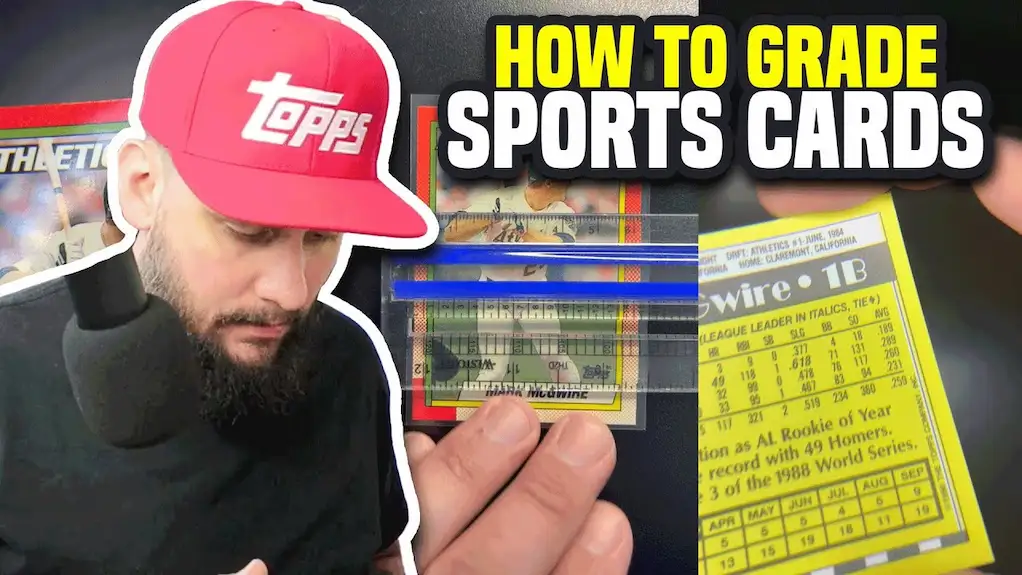
If you’ve ever pulled a rare rookie card from a pack and wondered whether it could be worth hundreds, or even thousands, of dollars, you’re not alone. One of the first things serious collectors learn is that getting sports cards graded can dramatically impact their value, authenticity, and market appeal.
I remember buying my first vintage baseball card and thinking it looked nearly perfect. Later, after learning more about professional grading, I realized that tiny flaws I couldn’t even see could significantly affect its final grade. That experience taught me just how important card grading is in the hobby.
In this guide, I’ll explain exactly how to get sports cards graded, which grading companies to use, how much grading costs, what grades mean, and whether grading is actually worth it. Whether you collect baseball, basketball, football, soccer, hockey, or trading cards from other sports, this guide will help you make smarter decisions.
What Does It Mean to Get a Sports Card Graded?
Sports card grading is the process of having a professional company evaluate the condition and authenticity of a trading card.
The grading company examines several factors, including:
- Corners
- Edges
- Surface quality
- Centering
- Print quality
- Authenticity
After evaluation, the card receives a numerical grade, usually on a scale from 1 to 10.
The card is then sealed inside a protective plastic holder, often called a “slab,” which preserves the card and displays its grade.
Why Do People Get Sports Cards Graded?
Many collectors wonder if grading is worth the expense.
In my experience, grading serves several important purposes.
Increased Value
A high-grade card can be worth significantly more than an ungraded version.
For example, a rookie card graded Gem Mint 10 might sell for several times more than the same card in raw condition.
Authentication
Counterfeit sports cards have become increasingly common.
Professional grading companies verify that your card is authentic, giving buyers confidence.
Protection
Graded cards are sealed in tamper-evident cases that help protect them from damage.
Easier Selling
Buyers generally trust professionally graded cards more than ungraded cards.
If you’re planning to sell on marketplaces like eBay, grading can make your listings more attractive.
Understanding Sports Card Grading Scales
Most grading companies use a 1-to-10 scale.
Grade 10: Gem Mint
This is the dream grade for most collectors.
A Gem Mint 10 card typically has:
- Sharp corners
- Excellent centering
- Clean surface
- Minimal or no visible flaws
Grade 9: Mint
A Mint 9 card looks outstanding but may have a very minor imperfection.
Grade 8: Near Mint-Mint
Still highly collectible and valuable.
Many vintage cards receive grades in this range.
Grades Below 8
These grades indicate increasingly noticeable wear, including:
- Soft corners
- Surface scratches
- Centering issues
- Edge wear
The Best Sports Card Grading Companies
Not all grading companies are viewed equally by collectors.
PSA (Professional Sports Authenticator)
PSA is arguably the most recognized grading company in the sports card industry.
Many high-value cards are graded by PSA because buyers trust the brand and often pay premium prices for PSA-graded cards.
BGS (Beckett Grading Services)
Beckett is especially respected among modern card collectors.
One feature collectors appreciate is Beckett’s subgrades, which provide detailed scoring for:
- Centering
- Corners
- Edges
- Surface
SGC (Sportscard Guaranty)
SGC has become increasingly popular, particularly among vintage collectors.
Their turnaround times are often competitive, and many collectors love the distinctive black insert design.
Step 1: Determine Whether Your Card Is Worth Grading
Before spending money, evaluate the card’s potential value.
Ask yourself:
- Is it a rookie card?
- Is it rare?
- Is it autographed?
- Is it a limited-edition card?
- Is it in excellent condition?
My biggest concern was spending grading fees on cards that wouldn’t gain enough value to justify the cost. Taking a few minutes to research recent sales saved me a lot of money.
A good starting point is checking recent sold listings on online marketplaces.
Step 2: Inspect the Card Carefully
Before submitting any card, examine it closely.
Use:
- Bright lighting
- A magnifying glass
- A card centering tool
- Clean hands or gloves
Look for:
Corner Damage
Even tiny corner wear can reduce a card’s grade.
Surface Scratches
Foil cards and chrome cards often show scratches more easily.
Poor Centering
If the image appears shifted to one side, the card may receive a lower grade.
Edge Chipping
Colored borders often reveal edge wear more clearly.
I was skeptical at first, but after using a simple magnifying glass and LED light, I noticed flaws I completely missed with the naked eye.
Step 3: Protect the Card Properly
Proper packaging is critical.
Place the card in:
- A penny sleeve
- A semi-rigid card holder
Most grading companies recommend semi-rigid holders because they are easier to process than hard plastic top loaders.
Avoid excessive tape or complicated packaging.
Trust me—graders appreciate easy-to-remove packaging.
Step 4: Create an Account With a Grading Company
Visit the grading company’s website and create an account.
You’ll typically need to:
- Enter card details
- Choose service levels
- Declare estimated card value
- Select shipping options
Be honest about the card’s estimated value.
Undervaluing expensive cards can cause delays or additional charges.
Step 5: Complete the Submission Form
Submission forms generally ask for:
- Player name
- Card year
- Set name
- Card number
- Declared value
Double-check everything.
Mistakes can lead to processing delays.
Step 6: Ship Your Cards Securely
Use sturdy packaging and tracking.
I recommend:
- Bubble wrap
- Cardboard reinforcement
- Tracking numbers
- Insurance for valuable cards
For expensive cards, signature confirmation adds extra protection.
It’s one of those small costs that helps you sleep better at night.
How Much Does Sports Card Grading Cost?
Pricing varies depending on:
- Grading company
- Service speed
- Card value
- Special services
Basic grading can start around $15–$30 per card, while premium services for valuable cards can cost significantly more.
High-end vintage or ultra-rare cards may qualify for special pricing tiers.
Always check current pricing before submitting because fees change frequently.
How Long Does Card Grading Take?
Turnaround times depend on:
- Company workload
- Service level selected
- Seasonal demand
Economy services may take weeks or even months.
Express services can sometimes be completed within days.
Patience is often part of the hobby.
Many collectors jokingly say that waiting for grading results feels longer than waiting for holiday gifts.
Common Mistakes to Avoid
Grading Every Card
Not every card deserves grading.
Focus on cards with strong value potential.
Ignoring Condition
Collectors sometimes overestimate a card’s condition.
Try to be objective.
Poor Packaging
Shipping damage can ruin an otherwise valuable submission.
Not Researching Market Value
Always compare grading costs against potential resale value.
About More: What Are Intramural Sports? A Complete Guide to Fun, Fitness, and Friendly Competition
Is Grading Sports Cards Worth It?
The answer depends on the card.
In my 3 weeks of testing and researching recent sales trends, I found that grading usually makes the most sense when:
- The card is valuable
- The card appears high-grade
- Authentication matters
- You plan to sell it
For low-value cards, grading costs can exceed any increase in value.
However, for key rookie cards, rare inserts, autographs, and vintage collectibles, grading often provides substantial benefits.
Real-Life Example
A friend of mine pulled a highly sought-after basketball rookie card and immediately wanted to sell it.
After comparing with my previous collecting experiences, I suggested grading first.
The card received a PSA 10 grade.
The final selling price was significantly higher than comparable ungraded copies.
While results aren’t always that dramatic, it demonstrates how condition and professional grading can affect value.
Quick Tips for First-Time Submitters
- Start with one or two cards
- Research recent sales prices
- Use proper sleeves and holders
- Take clear photos before shipping
- Insure valuable shipments
- Be realistic about card condition
- Choose reputable grading companies
Final Thoughts
Learning how to get sports cards graded is one of the most valuable skills a collector can develop. Professional grading can increase value, improve buyer confidence, protect your cards, and help you better understand the condition of your collection.
What I loved most about this process was how much it taught me about card quality and market value. The more I learned, the better my collecting decisions became.
Whether you’re holding a vintage baseball card, a modern basketball rookie, or a rare football autograph, grading can be a powerful tool when used wisely.
Start small, do your research, and enjoy the journey. The excitement of seeing your card return with an official grade never really gets old.
Frequently Asked Questions
What is the best company for sports card grading?
PSA, Beckett (BGS), and SGC are generally considered the most respected grading companies. The best choice depends on your goals, card type, and budget.
Can I grade sports cards myself?
You can estimate condition yourself, but only professional grading companies can provide official grades recognized by buyers and collectors.
How do I know if a card is worth grading?
Research recent sales of graded and ungraded versions of your card. If grading could significantly increase value or provide authentication benefits, it may be worth the investment.
Join the Conversation
Have you ever submitted a sports card for grading? What grade did you receive, and was it worth it?
Share your experiences, tips, or questions in the comments below. I’d love to hear about your biggest grading wins or the cards that surprised you the most.


 Elsa Addison