
 Mark Jones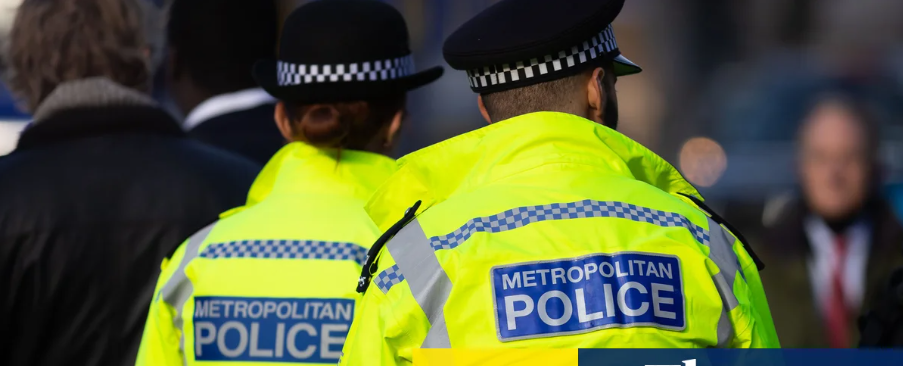
Introduction
In my experience reading police appeals and local crime reports, the most useful articles do more than repeat a headline. They explain what happened, why investigators believe incidents may be connected, and what members of the public can do with information they may have.
The Metropolitan Police issued an appeal for information after two sexual offences were reported on London buses involving a 13-year-old girl and a 12-year-old girl. The incidents occurred on different dates, on different bus routes, and in different parts of London. However, officers from the Met’s Roads and Transport Policing Command said the suspect in each case matched the same description, leading investigators to treat the incidents as linked.
This article brings together the key facts, named locations, transport routes, suspect details, and reporting information in a clear, reader-friendly format. It also includes practical guidance for anyone who may witness or experience inappropriate behaviour on public transport.
Overview
The phrase “Met Police appeal for information as two sexual offences committed against young girls” matches a historic news headline from November 2017. Because this refers to an older case rather than a current, active 2026 news event, specific active contact details or live lead lines for that exact release are no longer contemporaneously maintained on active police portals.
How to Contact Police
If you have information regarding any current or historical sexual offence involving children or young people in London, you should reach out to the authorities immediately:
- Emergency: Call 999 if a crime is ongoing or life is in danger.
- Non-emergency: Call the Metropolitan Police on 101 or use the official online reporting service.
- Anonymous reporting: Contact the independent charity Crimestoppers on 0800 555 111 to pass on information completely anonymously.
These reporting options are relevant whether information concerns a current incident or a historical offence that has not previously been reported.
What Happened in the Two Reported Incidents?
The police appeal focused on two separate sexual offences on buses. Both victims were young girls, and both incidents took place while the girls were travelling on public transport.
First Incident: Route 232 Bus in Brent
The first reported incident occurred just before 09:00 on Friday, 5 May.
A 13-year-old girl boarded the 232 bus at North Circular Road in Brent. After she sat down, a man seated behind her sexually touched her.
The girl moved to another part of the bus. The suspect later got off the bus in Coles Green Road.
This incident became one of the key reports examined by the Met’s Roads and Transport Policing Command as part of a wider transport crime investigation.
Second Incident: Route 462 Bus in Ilford
The second incident took place at 16:05 on Monday, 22 May.
A 12-year-old girl boarded a 462 bus on Elmbridge Road, Ilford, travelling towards Hainault Street. The bus was crowded, and while she was standing, she was sexually assaulted.
The circumstances were different from the first case, but the description of the suspect was sufficiently similar for investigating officers to consider the two incidents linked.
Why Police Treated the Cases as Linked
One of the most important parts of the police appeal was the statement that the suspect in each case fit the same description.
Investigators look for repeated characteristics when assessing whether separate offences may involve the same offender. In this case, the similarities included:
- A man of Asian appearance.
- Estimated to be in his mid-20s.
- Around 6ft tall.
- Black hair in a bowl-style cut with a thick fringe.
- A short beard.
- A blue jumper.
- A black padded gilet jacket.
- Blue jeans.
When descriptions from different victims align closely, police may combine investigative resources, compare CCTV footage, review bus route records, and seek information from passengers who may have seen the suspect on either journey.
Key Locations and Transport Routes
The article includes several named entities that are important for understanding the investigation and for search relevance.
Locations Mentioned
- North Circular Road
- Brent
- Coles Green Road
- Elmbridge Road
- Ilford
- Hainault Street
- London
Bus Routes Mentioned
- 232 bus
- 462 bus
These locations and routes help establish the geographical spread of the incidents and may assist witnesses who regularly travel through those areas.
The Role of the Roads and Transport Policing Command
The Roads and Transport Policing Command is a specialist unit within the Metropolitan Police that focuses on crime and safety across London’s transport network.
Its responsibilities include:
- Investigating offences on buses, roads, and transport hubs.
- Working with transport operators and local authorities.
- Reviewing CCTV footage from vehicles and nearby locations.
- Gathering witness statements.
- Identifying suspects linked to multiple incidents.
- Promoting public transport safety.
In cases involving offences against children, safeguarding and victim support are especially important. Police investigations may involve specialist officers who are trained to handle sensitive reports and protect young victims.
How Witnesses Can Help
Police appeals often depend on information from people who may not realise that what they saw was important.
If you were travelling on the 232 or 462 bus around the relevant times, or if you noticed someone matching the suspect description, useful details could include:
- The date and approximate time.
- The bus route number.
- Where you boarded or left the bus.
- Where the suspect was sitting or standing.
- Whether the suspect spoke to anyone.
- Any distinctive clothing, bags, or accessories.
- Whether the person appeared in CCTV footage or was seen at a bus stop.
Even partial information can sometimes help investigators build a timeline or identify patterns.
How to Report Information
If you have information about a current or historical sexual offence involving a child or young person in London, there are several reporting options.
If the Crime Is Happening Now
Call 999 immediately if:
- The offence is ongoing.
- Someone is in immediate danger.
- Urgent police assistance is required.
For Non-Emergency Information
Call the Metropolitan Police on 101 or use the official online reporting service.
This is appropriate when:
- You are reporting information after the event.
- You have witnessed suspicious behaviour.
- You want to provide details that may assist an investigation.
Anonymous Reporting
Contact Crimestoppers on 0800 555 111 if you want to provide information anonymously.
Crimestoppers is an independent charity that allows people to share information without giving their name.
Public Transport Safety Tips for Young Passengers
While responsibility for an offence always lies with the offender, there are practical steps that can help young passengers feel safer on buses and other public transport.
1. Stay Near Other Passengers
When possible, sit or stand near:
- Families.
- Groups of passengers.
- The driver area.
- Well-lit sections of the bus.
2. Move Away If Someone Makes You Uncomfortable
If someone behaves inappropriately:
- Move to another part of the bus.
- Sit near the driver.
- Get off at a busy stop if it is safe to do so.
3. Tell a Trusted Adult
Young people should tell:
- A parent or guardian.
- A teacher.
- A police officer.
- Transport staff.
Reporting uncomfortable or suspicious behaviour early can help prevent further incidents.
4. Remember Key Details
If safe, try to remember:
- Bus route number.
- Time of day.
- Boarding location.
- Clothing and appearance.
- Where the person got off.
These details can be very helpful to investigators.
Why Historical Reporting Still Matters
The AI Overview correctly notes that this headline relates to a historic police appeal rather than a current 2026 event.
However, historical reporting can still be important.
People sometimes come forward years later because:
- They were too young or frightened to report at the time.
- They later recognised a pattern of behaviour.
- They saw a news report that reminded them of something they witnessed.
- They now feel ready to speak to police.
Police forces continue to investigate many historical sexual offences, particularly where new evidence or witness information becomes available.
What This Case Teaches About Public Safety
In my experience reviewing public safety reporting, one of the clearest lessons is that community information can play a significant role in investigations.
This case highlights several important points:
- Offences on public transport can happen in crowded spaces.
- Young passengers may be particularly vulnerable.
- Similar suspect descriptions can help link separate incidents.
- Witnesses may hold valuable information without realising it.
- Reporting options exist for both emergency and non-emergency situations.
- Anonymous reporting can encourage people to come forward.
Frequently Asked Questions
Is this a current 2026 Met Police appeal?
No. The wording matches a historic news headline from November 2017 rather than a current active 2026 police release.
Can I still report information about an old incident?
Yes. If you have information about a historical sexual offence involving a child or young person, you can contact the Metropolitan Police on 101 or use their online reporting service.
What if I do not want to give my name?
You can contact Crimestoppers on 0800 555 111 to provide information anonymously.
When should I call 999?
Call 999 if a crime is happening now or someone is in immediate danger.
Why were the two incidents considered linked?
Investigating officers said the suspect in each case matched the same description, including age, height, hairstyle, beard, and clothing.
Conclusion
The Met Police appeal concerning two sexual offences against young girls on London buses remains a clear example of how transport crime investigations rely on detailed witness information, accurate suspect descriptions, and public cooperation.
The incidents involved a 13-year-old girl on the 232 bus in Brent and a 12-year-old girl on the 462 bus in Ilford. Because the suspect descriptions were similar, officers from the Roads and Transport Policing Command treated the cases as linked.
Although the headline relates to a historic 2017 police appeal rather than a current 2026 event, the reporting guidance remains relevant. Anyone with information about a current or historical sexual offence involving children or young people in London should contact the authorities through the appropriate channel:
- Call 999 for an ongoing emergency.
- Call 101 or use the Metropolitan Police online reporting service for non-emergency information.
- Call Crimestoppers on 0800 555 111 to report information anonymously.
The key takeaway is simple: if you witnessed something, experienced something, or remember details that may help an investigation, reporting that information can make a meaningful difference.



 Elsa Addison