 Stephen Galvin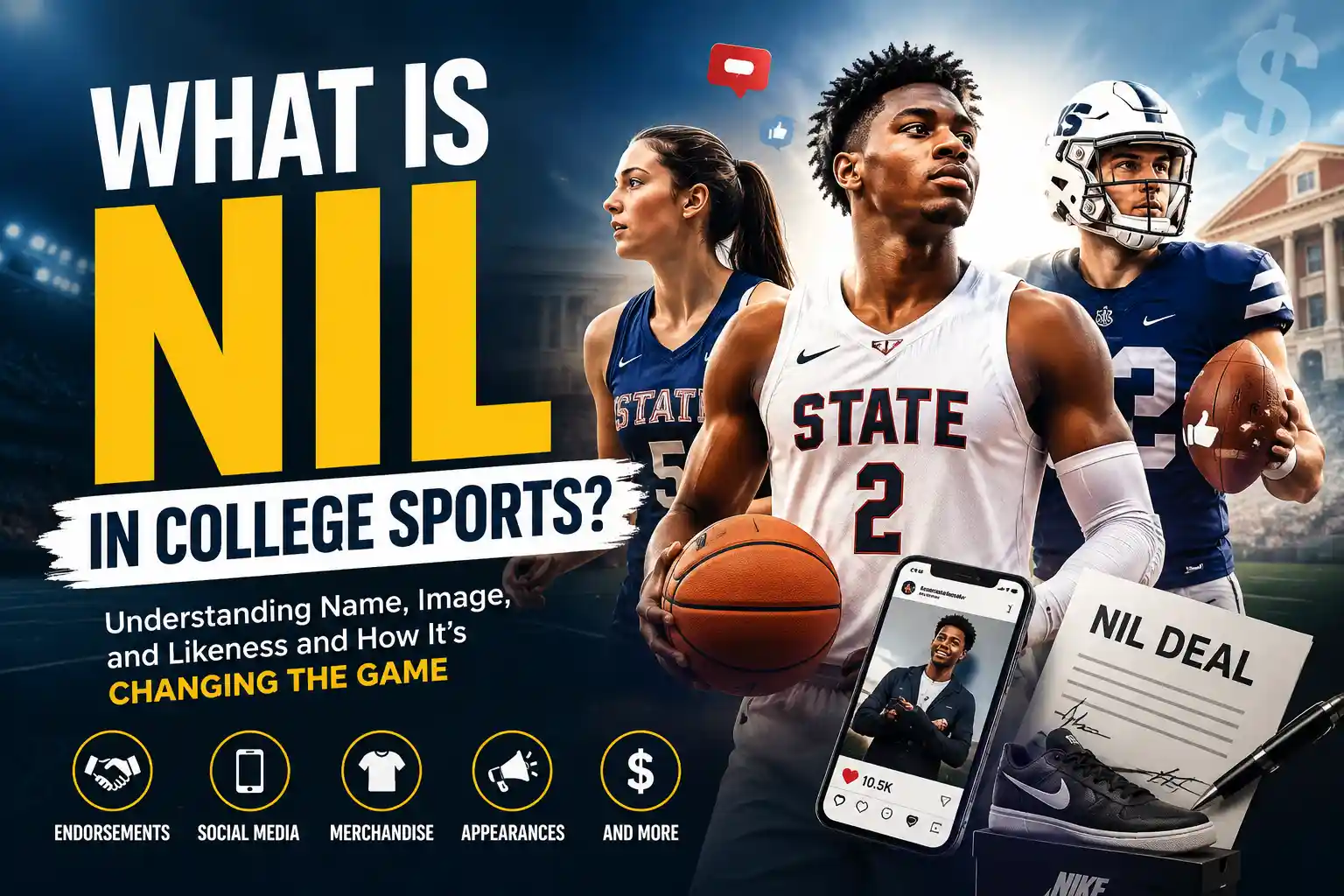
If you follow college athletics, you’ve probably heard people talking about “NIL deals,” athletes signing endorsement contracts, or college players earning money from social media. The first time I heard about NIL, I was honestly confused. For decades, college athletes weren’t allowed to earn money from their athletic fame. Then suddenly, players were signing sponsorships, appearing in commercials, and building personal brands.
So, what is NIL in college sports, and why has it become one of the biggest topics in modern athletics?
In simple terms, NIL stands for Name, Image, and Likeness. It refers to a college athlete’s legal right to earn compensation from their personal brand without losing their eligibility to compete.
This change has transformed college sports, creating new opportunities for athletes while also raising questions about recruiting, fairness, and the future of amateur athletics.
In this guide, I’ll explain exactly how NIL works, why it matters, who benefits, and what athletes should know before pursuing NIL opportunities.
The Meaning of NIL in College Sports
NIL stands for:
- Name – An athlete’s identity and reputation
- Image – Photos, videos, and visual representation
- Likeness – Personal characteristics associated with an athlete
These rights allow athletes to profit from their personal brand.
For example, a college basketball player can now:
- Sign endorsement deals
- Promote products on social media
- Sell merchandise
- Appear in advertisements
- Host camps and clinics
- Monetize YouTube or TikTok content
Before NIL rules changed, athletes could lose eligibility for accepting compensation connected to their athletic fame.
Today, many student-athletes can legally earn income while remaining eligible to compete.
How NIL Changed College Sports
I remember reading stories about star college athletes generating millions of dollars for universities while receiving no direct compensation beyond scholarships. It sparked ongoing debates about fairness.
Everything changed in July 2021 when NIL policies took effect across college athletics.
The change allowed student-athletes to profit from their personal brands without being classified as professional athletes.
As a result:
- Athletes gained new earning opportunities
- Brands gained access to influential young audiences
- Universities had to adapt to a new recruiting environment
- Fans began seeing college athletes as entrepreneurs as well as competitors
This was one of the most significant shifts in college sports history.
About More Details: How Does Sports Betting Work? Understanding the Basics, Odds, and Smart Betting Strategies
Why Was NIL Introduced?
The Fairness Argument
For years, college athletics generated billions of dollars through:
- Television contracts
- Ticket sales
- Merchandise
- Sponsorship agreements
Meanwhile, athletes often couldn’t accept payment for signing autographs or promoting businesses.
Supporters argued that athletes deserved the same rights as other students.
For example:
- A music student could earn money performing.
- A business student could start a company.
- An athlete, however, couldn’t profit from their sports-related popularity.
NIL rules aimed to correct that imbalance.
How NIL Deals Work
Endorsement Agreements
One of the most common NIL opportunities is brand sponsorship.
A company may pay an athlete to:
- Post on Instagram
- Create TikTok videos
- Promote products
- Attend marketing events
For example, a local restaurant might partner with a college football player to advertise its business.
Social Media Partnerships
Athletes with large followings often attract sponsorship offers.
Popular platforms include:
- TikTok
- YouTube
- X (formerly Twitter)
- Snapchat
In my experience researching athlete branding, social media has become one of the fastest-growing NIL revenue sources because athletes can directly reach fans without traditional media.
Personal Appearances
Athletes can earn money through:
- Autograph signings
- Meet-and-greet events
- Public speaking engagements
- Youth camps
This allows them to connect with local communities while building their personal brands.
Merchandise Sales
Athletes may sell:
- Branded apparel
- Signed memorabilia
- Digital products
- Training programs
Some athletes have even launched personal clothing brands while still in college.
Who Can Benefit From NIL?
Star Athletes
Highly visible athletes often receive the largest endorsement opportunities.
Examples include:
- College football quarterbacks
- Basketball stars
- Gymnastics influencers
- Volleyball players with strong social media audiences
These athletes can sometimes earn six-figure or even seven-figure NIL deals.
Smaller-School Athletes
One misconception is that NIL only benefits famous athletes.
I’ve seen many examples where athletes from smaller programs earn income through:
- Local business partnerships
- Community events
- Coaching lessons
- Niche social media audiences
A swimmer, golfer, or wrestler may not have national fame but can still create valuable NIL opportunities.
Female Athletes
One of the most interesting NIL developments has been the rise of female athlete influencers.
Sports such as:
- Gymnastics
- Volleyball
- Softball
- Basketball
have produced athletes with massive online audiences.
In some cases, social media engagement has become just as valuable as athletic performance when attracting sponsorships.
Common NIL Opportunities for College Athletes
Local Business Deals
Local companies frequently partner with athletes because they already have recognition within the community.
Examples include:
- Restaurants
- Fitness centers
- Car dealerships
- Clothing stores
Content Creation
Athletes increasingly earn income by creating content around:
- Training routines
- Nutrition tips
- Daily life
- Sports experiences
Platforms like YouTube and TikTok have become major NIL revenue channels.
Camps and Coaching
Many athletes teach younger players through:
- Private lessons
- Group clinics
- Sports camps
This can create consistent income while helping develop future athletes.
Challenges and Concerns About NIL
Recruiting Advantages
One concern is that schools with stronger financial backing may attract top athletes through greater NIL opportunities.
Critics argue this could widen the gap between large and small athletic programs.
Financial Education
Many athletes are earning significant income for the first time.
Without proper guidance, challenges can include:
- Taxes
- Contract negotiations
- Budgeting
- Brand management
This is why financial literacy has become increasingly important in college athletics.
Time Management
Balancing:
- Classes
- Training
- Travel
- Sponsorship obligations
can become difficult.
Athletes must learn how to manage both sports and business responsibilities effectively.
Real-World Examples of NIL Success
Several college athletes have built impressive brands through NIL.
Successful athletes have partnered with major companies such as:
- Nike
- Adidas
- Gatorade
- Beats by Dre
- Under Armour
Others have found success with regional businesses and local sponsorships.
What stands out to me is that NIL isn’t only about superstar athletes. Many students are building modest but meaningful income streams by leveraging their unique audiences and community connections.
Tips for Athletes Interested in NIL
Build a Strong Personal Brand
Athletes should focus on:
- Authentic content
- Consistent messaging
- Professional behavior
- Community engagement
Brands want trustworthy ambassadors.
Understand Contracts
Never sign an agreement without fully understanding:
- Payment terms
- Deliverables
- Exclusivity clauses
- Duration of the contract
Seeking legal advice can prevent costly mistakes.
Stay Compliant
NIL rules can vary depending on:
- State laws
- Athletic conferences
- School policies
Athletes should regularly review applicable regulations.
The Future of NIL in College Sports
NIL is still evolving.
Many experts believe future developments may include:
- More standardized regulations
- Enhanced athlete protections
- Increased transparency
- Expanded revenue opportunities
As technology and social media continue to grow, athlete branding will likely become an even larger part of the college sports landscape.
Frequently Asked Questions
1. What does NIL stand for in college sports?
NIL stands for Name, Image, and Likeness, allowing college athletes to earn money from their personal brand while maintaining athletic eligibility.
2. Can college athletes make money through NIL?
Yes. Athletes can earn income through sponsorships, endorsements, social media promotions, merchandise sales, appearances, camps, and other business activities.
3. Does NIL mean athletes are paid by their schools?
Not necessarily. NIL compensation generally comes from third-party businesses, sponsors, or personal ventures rather than direct payment from universities.
Quick Takeaways
NIL stands for Name, Image, and Likeness.
College athletes can now earn money from endorsements and personal branding.
NIL opportunities include sponsorships, social media, camps, merchandise, and appearances.
Scholarships and NIL earnings are separate benefits.
Financial literacy and contract awareness are essential for long-term success.
Conclusion
When I first started researching NIL, I thought it was simply about athletes making money. The deeper I looked, the more I realized it’s really about ownership and opportunity.
NIL gives college athletes the ability to benefit from the value they create, whether that’s through athletic performance, social media influence, or community engagement. While challenges remain, the NIL era has fundamentally changed college sports and opened doors that simply didn’t exist a few years ago.
For athletes, fans, parents, and coaches, understanding NIL is no longer optional, it’s an essential part of the modern college sports experience.

 Elsa Addison