 Stephen Galvin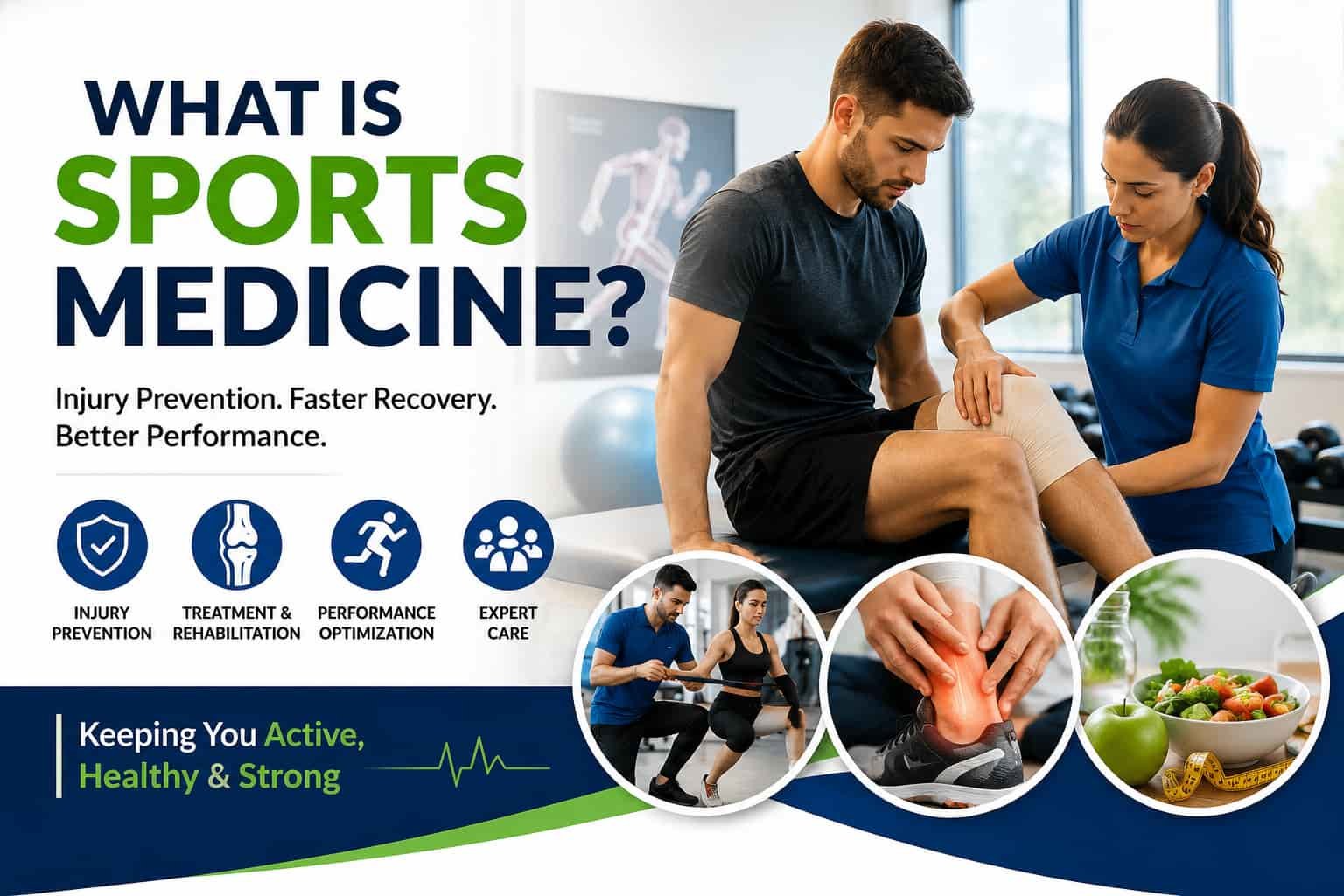
Sports medicine is a topic I’ve personally explored quite deeply while trying to understand how athletes recover, prevent injuries, and improve performance. In simple words, it is a branch of healthcare that focuses on keeping people active, healthy, and safe during physical activity.
Whether someone is a professional athlete or just enjoys regular workouts, sports medicine plays an important role in injury prevention, treatment, and overall physical performance.
In this article, I’ll break everything down in a clear, simple, and practical way so you can understand exactly what sports medicine is and why it matters in real life.
Overview
From my understanding and research, sports medicine is a specialized area of healthcare that deals with injuries and health issues caused by sports or physical activity. It focuses on helping people recover from injuries, prevent future problems, and improve their physical abilities.
It brings together different medical fields such as bone and joint care, physical therapy, exercise science, and nutrition. This teamwork helps individuals recover faster and perform better.
Key points include:
- Injury Prevention: It focuses on teaching proper movement, training techniques, and conditioning to reduce injury risks.
- Treatment & Recovery: It helps manage injuries like sprains, strains, fractures, and joint problems.
- Performance Improvement: It supports athletes with training programs, nutrition advice, and movement analysis.
- Team-Based Care: Experts like doctors, therapists, trainers, and nutritionists work together for better results.
- For Everyone: It is not just for athletes—any physically active person can benefit from it.
In short, sports medicine is about keeping the body strong, active, and injury-free through expert care and guidance.
Understanding Sports Medicine in Simple Terms
When I first looked into sports medicine, I thought it was only for professional athletes. But I quickly realized it is much broader than that.
Sports medicine is about:
- Preventing injuries before they happen
- Treating injuries when they occur
- Helping the body recover properly
- Improving strength, flexibility, and endurance
It combines medical knowledge with physical training principles. This makes it a unique field because it focuses not only on healing but also on improving performance.
For example, if someone sprains their ankle while jogging, sports medicine helps them recover safely and return to activity without long-term damage.
Why Sports Medicine is Important
In my experience, one of the biggest mistakes people make is ignoring small injuries. They often think pain will go away on its own, but that can lead to bigger problems later.
Sports medicine is important because it:
- Reduces the risk of long-term injuries
- Helps people recover faster and safer
- Improves physical performance naturally
- Supports overall body health and movement
It is especially helpful in today’s world where many people are active—whether it’s gym workouts, running, cycling, or sports.
Key Components of Sports Medicine
Sports medicine is not just one single treatment. It includes several important areas that work together.
1. Injury Prevention
This is one of the most important parts. Prevention focuses on:
- Proper warm-ups and stretching
- Correct exercise techniques
- Strength and conditioning programs
- Using proper equipment
From what I’ve seen, most sports injuries happen due to poor preparation or incorrect movement.
2. Treatment and Rehabilitation
When injuries happen, sports medicine focuses on healing the body properly.
Common injuries include:
- Muscle strains
- Ligament sprains
- Bone fractures
- Joint injuries
Treatment may involve rest, physical therapy, medication, or in some cases, surgery.
3. Performance Optimization
This part surprised me the most. Sports medicine is not only about recovery—it also helps improve performance.
It includes:
- Strength training programs
- Biomechanical analysis (how your body moves)
- Personalized fitness plans
- Endurance building techniques
Athletes often use these methods to improve speed, strength, and efficiency.
4. Nutrition and Recovery
Food plays a huge role in physical performance. Sports medicine experts often guide people on:
- Protein intake for muscle recovery
- Hydration strategies
- Balanced diet plans
- Recovery meals after workouts
In my opinion, nutrition is often underestimated, but it is a key part of recovery.
5. Mental Health and Focus
Sports medicine also includes psychological support. Mental strength is just as important as physical strength.
It helps with:
- Stress management
- Focus during performance
- Overcoming fear after injury
- Building confidence
Read More Details: Is Cheerleading a Sport?
Who Can Benefit from Sports Medicine?
One of the biggest misconceptions is that sports medicine is only for professional athletes. That is not true at all.
It benefits:
- Professional athletes
- Gym-goers
- Runners and cyclists
- Students in sports activities
- Office workers with physical strain
- Older adults staying active
Even everyday activities like walking, lifting, or exercising can lead to minor injuries that sports medicine can help manage.
Common Areas of Focus in Sports Medicine
Sports medicine covers many medical and physical areas. Some of the most important include:
Orthopedic Care
Focuses on bones, joints, ligaments, and muscles. It may include surgery for serious injuries.
Physical Therapy
Helps restore movement and strength after injury through exercises and guided recovery.
Sports Psychology
Supports mental health, motivation, and focus during training or recovery.
Nutrition and Diet Planning
Ensures the body gets proper fuel for performance and healing.
Practical Tips I’ve Learned About Sports Health
Based on research and observation, here are some useful takeaways:
- Always warm up before exercise
- Don’t ignore small pain signals
- Stay consistent with stretching
- Focus on proper technique over speed
- Hydrate before, during, and after activity
- Rest is just as important as training
These simple habits can prevent many common injuries.
Real-Life Example
Imagine someone who regularly goes to the gym. They suddenly start feeling knee pain but continue training. Over time, the pain worsens and affects daily movement.
With sports medicine support, the person would:
- Get the injury diagnosed properly
- Follow a recovery plan with exercises
- Adjust workout techniques
- Slowly return to training safely
This step-by-step approach ensures full recovery without long-term damage.
My Personal Takeawa
From everything I’ve learned, sports medicine is not just about treating injuries—it’s about building a healthier and stronger lifestyle.
It teaches us how to:
- Move correctly
- Train safely
- Recover properly
- Stay active longer
In my view, anyone who values fitness or physical activity should understand the basics of sports medicine.
Conclusion
Sports medicine is a powerful and essential field that supports both athletes and everyday individuals. It combines injury prevention, treatment, recovery, performance improvement, and nutrition into one complete system.
What I find most valuable is its balanced approach—it doesn’t just focus on healing the body but also on improving it.
FAQs
1. What is the best definition of sports medicine?
Sports medicine is a branch of healthcare focused on preventing, diagnosing, treating, and rehabilitating injuries related to sports and physical activity.
2. What is the highest paying job in sports medicine?
The highest paying role is usually a sports medicine physician or orthopedic surgeon, often earning the most due to surgical expertise and specialization.
3. What degree is best for sports medicine?
The best path is typically:
- Bachelor’s in Exercise Science, Biology, or Sports Science
- Followed by a Doctor of Medicine (MD) or Doctor of Physical Therapy (DPT) depending on career goal
4. What are the 7 common types of sports injuries?
The most common sports injuries include:
- Sprains
- Strains
- Fractures
- Dislocations
- Tendonitis
- Shin splints
- Concussions
5. What are the basics of sports medicine?
The basics include:
- Injury prevention
- Diagnosis of sports injuries
- Treatment and rehabilitation
- Performance improvement
- Physical conditioning and recovery support
6. How does sports medicine help?
It helps by:
- Preventing injuries before they happen
- Speeding up recovery after injury
- Improving athletic performance
- Supporting safe return to physical activity
7. What is the lowest salary for a sports medicine physician?
Entry-level sports medicine physicians typically earn around $150,000–$200,000 per year, depending on location, experience, and healthcare system.
8. What sports degree makes the most mon
Degrees leading to higher income include:
- Sports Medicine (MD path)
- Physical Therapy (DPT)
- Athletic Training (with specialization)
The highest earning potential is usually with an MD in sports medicine or orthopedic surgery.
9. What can I do with a sports science degree?
With a sports science degree, you can work as:
- Fitness trainer
- Strength and conditioning coach
- Sports analyst
- Rehabilitation assistant
- Exercise physiologist
- Sports performance coach


 Elsa Addison