 Stephen Galvin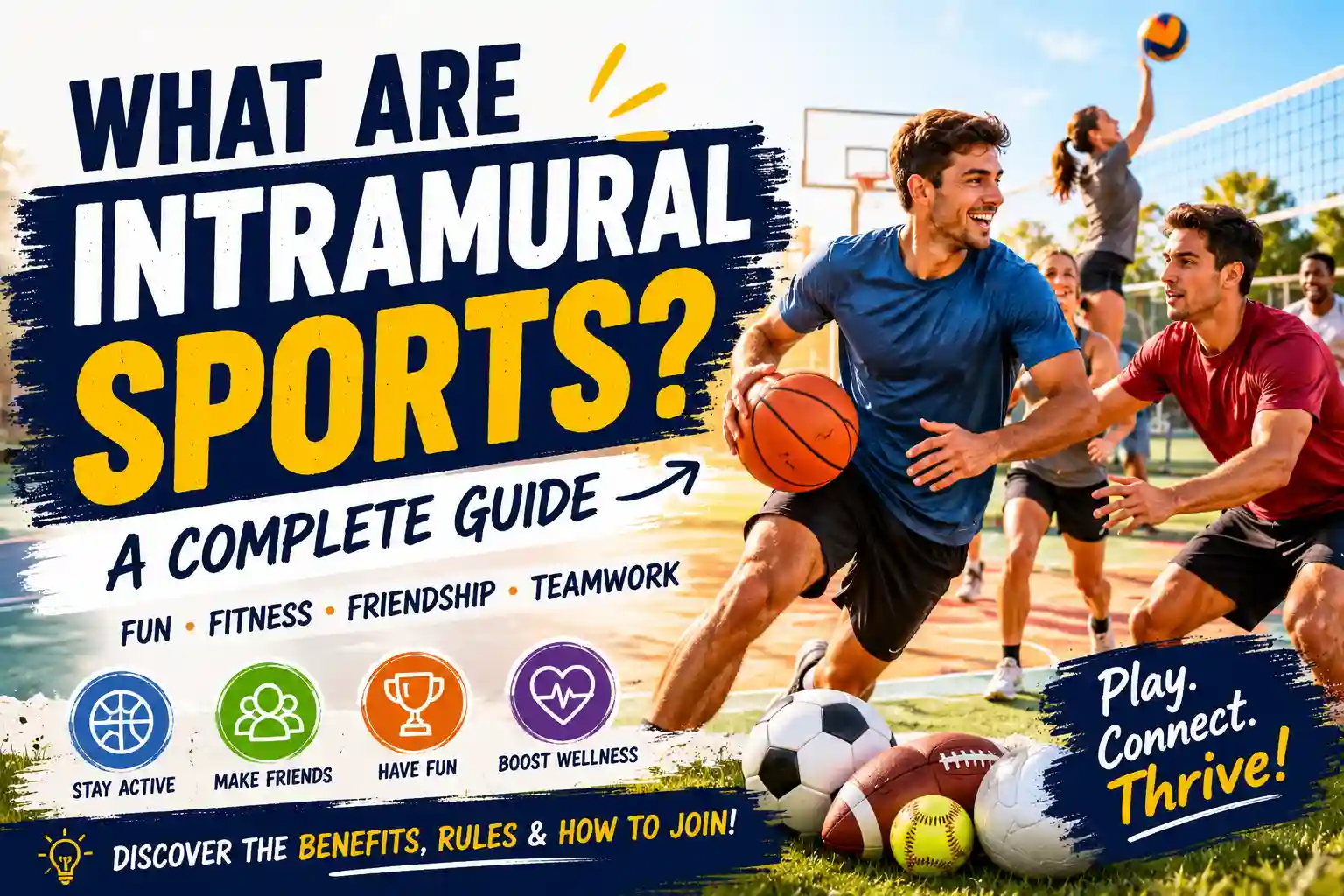
Introduction: The Day I Accidentally Joined an Intramural Team
A few years ago, I was walking across a college campus when a friend convinced me to join an intramural soccer team. Honestly, I wasn’t expecting much. I assumed it would be highly competitive and filled with former athletes who took every game seriously.
I was wrong.
What I found instead was a fun, welcoming environment where students, coworkers, and community members gathered to stay active, meet new people, and enjoy sports without the pressure of varsity competition. Some players had years of experience, while others were simply there to have fun and get some exercise.
That experience completely changed how I viewed recreational sports.
If you’ve ever wondered, “What are intramural sports?” you’re not alone. Whether you’re a student, parent, educator, or fitness enthusiast, understanding intramural sports can help you discover one of the easiest and most enjoyable ways to stay active.
In this complete guide, I’ll explain everything you need to know about intramural sports, how they work, their benefits, and why they continue to grow in popularity around the world.
What Are Intramural Sports?
Intramural sports are organized recreational sports competitions that take place within a single institution, organization, or community.
The word “intramural” literally means “within the walls.” In sports, this means participants compete against others from the same school, college, workplace, military base, or community organization.
Unlike varsity athletics, where teams compete against other schools or organizations, intramural sports are designed primarily for participation, recreation, fitness, and social interaction.
Examples include:
- Basketball
- Soccer
- Volleyball
- Flag football
- Softball
- Tennis
- Dodgeball
- Ultimate Frisbee
- Kickball
- Table tennis
The focus is usually on enjoyment and participation rather than elite-level performance.
The Main Purpose of Intramural Sports
In my experience, the biggest appeal of intramural sports is accessibility.
You don’t need:
- Professional training
- Athletic scholarships
- Extensive experience
- Expensive equipment
Instead, intramural programs aim to:
- Encourage physical activity
- Build friendships
- Reduce stress
- Promote teamwork
- Create a sense of community
Many schools and organizations use intramural programs as a way to improve wellness and increase social engagement.
How Intramural Sports Work
Although programs vary, most intramural leagues follow a simple structure.
Registration
Participants typically sign up individually or form teams with friends.
Many colleges use platforms such as:
- IMLeagues
- Fusion Play
- Campus Recreation software
- University recreation portals
Registration is usually affordable and sometimes completely free.
Team Formation
Teams can be:
Pre-Made Teams
Friends, classmates, coworkers, or club members form a team before registering.
Free-Agent Teams
Individuals register alone and are assigned to teams that need additional players.
This option is perfect for newcomers looking to meet people.
Regular Season Games
Teams compete against each other during a scheduled season.
Games are often held:
- Evenings
- Weekends
- After class hours
- After work hours
Schedules are designed to fit participants’ busy lifestyles.
Playoffs and Championships
Many intramural leagues conclude with playoffs and championship games.
While trophies and prizes may be awarded, the atmosphere remains much more relaxed than competitive athletics.
Intramural Sports vs. Varsity Sports
Many people confuse intramural sports with varsity athletics.
The differences are significant.
Intramural Sports
- Open to most participants
- Recreational focus
- Lower commitment
- Flexible schedules
- Emphasis on fun and fitness
Varsity Sports
- Competitive tryouts
- Elite athletes
- Intensive training
- Travel requirements
- Scholarship opportunities
I was skeptical at first, but after participating in both recreational and competitive sports, I realized intramural sports often provide more enjoyment because the pressure is dramatically lower.
Intramural Sports vs. Club Sports
Another common question involves club sports.
While both are recreational alternatives to varsity athletics, they serve different purposes.
Intramural Sports
- Competition stays within the organization
- Lower skill requirements
- Casual environment
- Minimal travel
Club Sports
- Compete against other schools or organizations
- More structured practices
- Higher skill expectations
- Regional travel may be required
Club sports generally fall somewhere between intramural and varsity competition.
See More Details: What Is NIL in College Sports? A Complete Guide for Athletes and Fans
Popular Intramural Sports Around the World
Different regions favor different sports, but some activities consistently attract high participation.
Basketball
One of the most popular intramural sports due to its accessibility and fast-paced gameplay.
Soccer
Soccer leagues often draw participants from diverse cultural backgrounds and skill levels.
Volleyball
Indoor and beach volleyball are excellent options for mixed-gender participation.
Flag Football
Flag football provides excitement without the physical contact associated with tackle football.
Ultimate Frisbee
A growing favorite among college students due to its inclusive and social nature.
Kickball
Kickball combines nostalgia, laughter, and light exercise, making it ideal for casual participants.
Benefits of Intramural Sports
The advantages extend far beyond physical fitness.
Improved Physical Health
Regular participation helps:
- Burn calories
- Strengthen muscles
- Improve cardiovascular health
- Enhance coordination
- Increase endurance
According to organizations like the National Intramural-Recreational Sports Association, recreational sports contribute significantly to healthier campus communities.
Better Mental Health
One unexpected benefit I noticed was stress reduction.
After a long day of classes or work, spending an hour playing sports can feel incredibly refreshing.
Benefits include:
- Reduced anxiety
- Improved mood
- Better sleep
- Increased confidence
Stronger Social Connections
Many lifelong friendships begin through intramural teams.
Participants frequently meet:
- New students
- Colleagues
- Community members
- Future roommates
- Professional contacts
Leadership Development
Team sports naturally develop skills such as:
- Communication
- Problem-solving
- Conflict resolution
- Leadership
These skills often transfer directly to academic and professional success.
Who Can Participate in Intramural Sports?
One of the best aspects of intramural sports is inclusivity.
Programs typically welcome:
- College students
- University staff
- Faculty members
- High school students
- Military personnel
- Corporate employees
- Community residents
Many leagues offer multiple divisions based on skill level.
This allows beginners and experienced athletes to enjoy appropriate competition.
Common Challenges and How to Overcome Them
Fear of Not Being Good Enough
This is probably the most common concern.
I remember worrying that I would embarrass myself during my first game.
The reality?
Most participants are there for fun.
Focus on effort rather than performance.
Lack of Time
Busy schedules often discourage participation.
Solution:
Choose leagues with flexible schedules or shorter seasons.
Even one game per week can make a difference.
Finding a Team
Joining alone may feel intimidating.
Fortunately, many programs offer free-agent registration systems specifically designed for individual participants.
Tips for Success in Intramural Sports
Start with a Sport You Enjoy
You’ll stay motivated if you’re genuinely interested in the activity.
Prioritize Consistency
Regular participation matters more than athletic ability.
Be a Good Teammate
Encouragement and positive attitudes often contribute more to team success than raw talent.
Focus on Fun
Remember why intramural sports exist in the first place.
Winning is nice.
Enjoying the experience is better.
Real-World Examples of Intramural Sports Programs
Many major universities operate successful intramural programs.
Institutions such as:
- University of Michigan
- University of Texas at Austin
- Pennsylvania State University
offer dozens of sports and thousands of participants each year.
Many large employers also run workplace intramural leagues to encourage employee wellness and team building.
Quick Tips for First-Time Participants
- Join with friends if possible.
- Arrive early to games.
- Bring water and proper footwear.
- Don’t worry about mistakes.
- Introduce yourself to teammates.
- Learn the basic rules beforehand.
- Have fun and stay positive.
Frequently Asked Questions
What does intramural sports mean?
Intramural sports are recreational athletic competitions held within a single school, workplace, or organization. Participants compete against members of the same institution rather than outside teams.
Are intramural sports competitive?
Yes, but the competition is generally friendly and recreational. Most programs emphasize participation, fitness, and enjoyment rather than elite performance.
Do you need athletic experience to join intramural sports?
No. Most intramural leagues welcome beginners and often offer divisions suitable for all skill levels.
Are intramural sports only for college students?
No. While colleges are known for intramural programs, many workplaces, military bases, community centers, and recreational organizations offer similar opportunities.
What are the benefits of intramural sports?
Benefits include improved physical fitness, better mental health, stronger social connections, leadership development, teamwork skills, and stress reduction.
Conclusion
So, what are intramural sports?
Simply put, they are organized recreational sports that bring people together for fitness, friendship, and fun. Whether you’re a complete beginner or a former athlete, intramural sports provide an accessible way to stay active without the pressure of high-level competition.
From basketball and soccer to kickball and ultimate frisbee, these programs create opportunities to improve health, build relationships, and develop valuable life skills.
In my experience, the greatest benefit isn’t winning games—it’s the sense of community that develops along the way. Some of my favorite sports memories came from intramural leagues where everyone was focused on enjoying the experience rather than chasing championships.
Pros:
- Inclusive and beginner-friendly
- Great for fitness and mental health
- Builds friendships and teamwork
- Flexible participation options
Cons:
- Less competitive for elite athletes
- Skill levels can vary widely
- Scheduling conflicts may occur
Have you ever participated in intramural sports? Share your experiences, favorite sports, or funniest team stories in the comments. Your story might encourage someone else to join their first league.


 Mark Jones