 Mark Jones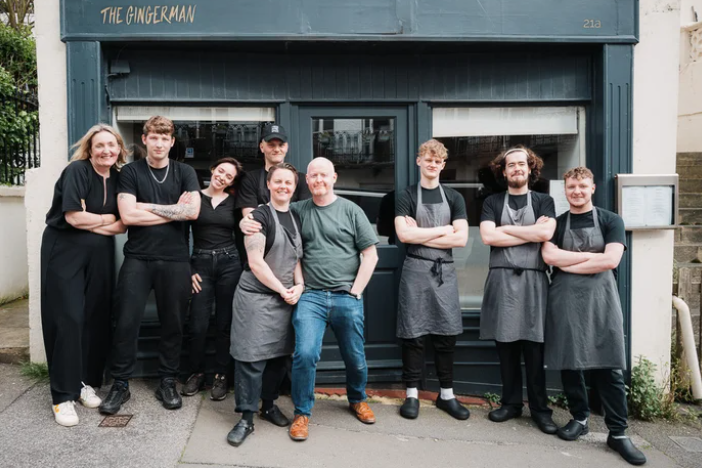
Overview
The growth of London’s independent restaurant scene has slowed dramatically, entering its longest period of stagnation in more than 25 years. While the capital remains one of the world’s leading culinary destinations, industry data from Harden’s Guide shows that restaurant openings have struggled to outpace closures since 2018. In 2015, London welcomed 3.2 new restaurants for every closure, but that ratio has remained below 1.6 in recent years. Across the UK hospitality sector, an average of three hospitality sites close every day. Rising business rates, a 20% VAT rate, increasing National Living Wage and National Insurance costs, energy inflation, Brexit-related supply chain pressures, and soaring commercial rents have placed enormous financial strain on independent operators. As a result, many innovative restaurants are moving away from expensive central London locations and finding new opportunities in neighbourhoods such as Hackney and Islington, where loyal local communities continue to support independent dining.
Introduction
Only a few years ago, Britain’s food scene seemed unstoppable.
London was regularly described as one of the world’s greatest culinary capitals, attracting food scene lovers eager to experience everything from Michelin-starred tasting menus to creative neighbourhood cafés. International chefs praised the city’s innovation, while tourists planned entire trips around its restaurants.
Then something changed.
While researching the UK’s restaurant industry, I noticed a worrying trend. Almost every week another respected restaurant announced its closure. Some were award-winning fine dining establishments, while others were family-run neighbourhood favourites that had served their communities for decades. It made me wonder: How did one of the world’s most exciting food destinations reach this point?
The answer isn’t simple. Britain’s restaurant industry hasn’t collapsed because people suddenly stopped enjoying great food scene. Instead, it’s the result of several economic pressures hitting businesses at the same time. Rising costs, shrinking profit margins, changing customer habits, and increasing taxes have combined to create one of the toughest trading environments the hospitality sector has faced in decades.
In this guide, I’ll explore why the British food scene was booming, what caused its recent struggles, and whether independent restaurants can recover.
How Britain Became a Global Food scene Destination
For many years, British cuisine carried an unfair stereotype. Visitors often joked about bland food scene and uninspiring menus, while countries such as France, Italy, and Spain dominated conversations about world-class dining.
That reputation changed dramatically.
During the past two decades, Britain experienced a culinary revolution. Young chefs embraced local ingredients, seasonal cooking, and international influences to create restaurants that rivalled the best anywhere in the world.
Even legendary French chef Joël Robuchon praised London as the new centre of culinary innovation, famously suggesting that exciting new cooking was happening in London rather than Paris. Likewise, The New York Times highlighted London’s transformation into one of the world’s premier foodie destinations.
The success wasn’t limited to the capital.
Regions such as Cumbria and the Lake District earned international recognition for their remarkable concentration of Michelin-starred restaurants. Hospitality expert Thom Hetherington even compared the area’s culinary excellence to famous food destinations such as Tokyo, Paris, and San Sebastián.
This period represented a golden era for British hospitality, with independent restaurants, gastropubs, and innovative chefs attracting diners from around the globe.
The Restaurant Boom Has Slowed
Despite its global reputation, the UK’s hospitality industry is now facing a very different reality.
According to market specialists and hospitality organisations, London’s restaurant market has entered its longest sustained slowdown in more than a quarter of a century.
Several key figures illustrate the challenge:
- London’s restaurant opening-to-closure ratio has remained below 1.6 since 2018.
- In 2015, the city averaged 3.2 new restaurant openings for every closure.
- Across the UK, approximately three hospitality venues close every day.
- London has lost dozens of Michelin-starred restaurants since the pandemic.
- Independent restaurants continue to face rising operating costs while customer spending remains under pressure.
Although exciting new restaurants continue to open, many survive for only a short period before economic realities become overwhelming.
Why Are British Restaurants Closing?
Rising Business Costs
One of the biggest challenges facing restaurant owners is the rapid increase in operating expenses.
Restaurant operators now face:
- Higher business rates following the end of pandemic relief.
- A full 20% VAT rate.
- Rising National Living Wage costs.
- Increased National Insurance contributions.
- Higher utility bills.
- Food inflation.
- More expensive ingredients caused by supply chain disruption.
Unlike many other businesses, restaurants cannot simply pass every additional cost on to customers without risking lower demand.
As Kate Nicholls, Chair of UKHospitality, has explained, menu prices have risen modestly, but business costs have increased even faster. This has squeezed already-thin profit margins across the sector.
Independent Restaurants Are Feeling the Greatest Pressure
In my experience visiting independent restaurants across different cities, these smaller businesses often deliver the most memorable dining experiences. They’re run by passionate chefs who know their customers personally and constantly experiment with new ideas.
Unfortunately, they also have the smallest financial safety net.
Chef Richard Wilkins, formerly of Pétrus with Gordon Ramsay, eventually closed Restaurant 104 after years of trying to overcome rising costs. Despite investing heavily in marketing and refurbishment, increasing overheads simply outpaced customer bookings.
His story isn’t unique.
Across Britain, talented chefs are spending more time analysing budgets, negotiating supplier invoices, and worrying about energy bills than creating exciting new dishes. For many independent operators, the dream of running a restaurant has become a daily struggle to stay financially sustainable.
The challenges become even greater in central London, where soaring commercial rents often allow large restaurant groups and international chains to outbid independent entrepreneurs for the best locations. As a result, many creative chefs are now opening restaurants in residential neighbourhoods such as Hackney and Islington, where loyal local communities and lower overheads provide a better chance of long-term success.
Real Stories Behind the Restaurant Crisis
Statistics tell only part of the story. Behind every restaurant closure are chefs, business owners, suppliers, and employees whose livelihoods are deeply connected to the hospitality industry.
One of the most striking examples is chef Tom Kerridge, owner of several acclaimed restaurants, including The Hand and Flowers in Marlow the first gastropub in the world to earn two Michelin stars and Kerridge’s Bar & Grill in London.
Despite decades of experience, Kerridge has openly admitted that today’s economic climate is unlike anything he has faced before.
According to him, restaurants are being squeezed from every direction. Food scene inflation, higher National Insurance contributions, increased minimum wages, soaring energy prices, and rising business rates have dramatically reduced already slim profit margins.
His advice to aspiring restaurateurs is surprisingly cautious. Opening a restaurant has always involved risk, but today’s financial landscape makes that challenge even greater, particularly for independent operators without significant investment backing.
When Success Is No Longer Enough
One of the biggest misconceptions about restaurants is that a busy dining room automatically means a profitable business.
Unfortunately, that isn’t always true.
As Kate Nicholls, Chair of UKHospitality, explains, restaurants may still serve hundreds of customers each week while struggling to generate sustainable profits. Operating costs are rising faster than menu prices, leaving many owners with little financial breathing room.
Food critic Andy Hayler, famous for dining at every three-star Michelin restaurant in the world, also points out that restaurants have always been a high-risk business. New venues continue to open across London, including acclaimed restaurants such as Oudh 1722, Trèsind, and Ambassador’s Clubhouse, proving that demand for exceptional dining still exists.
However, popularity alone doesn’t guarantee financial success. High turnover means very little if rising costs consume every pound of revenue.
The Human Cost of Rising Expenses
Chef Harriet Mansell, known for representing the South West on the BBC’s Great British Menu, experienced this reality firsthand.
Her sustainable restaurant, Lilac, in Lyme Regis earned praise for its creative menus built around local and foraged ingredients. Dishes such as grilled Cornish octopus with saffron shellfish sauce reflected the innovation that has transformed British cuisine over the past two decades.
Then came an unexpected shock.
Utility bills reportedly increased from around £350 per month to several thousand pounds, creating financial pressure that became impossible to ignore. Combined with rising staffing costs and growing operational expenses, the stress eventually affected both the business and Mansell’s health.
Rather than abandoning her passion, she chose a different path by opening a seasonal pop-up restaurant in Dordogne, France, where operating conditions proved more manageable.
Her experience highlights an important lesson: many restaurant closures aren’t caused by poor food or lack of customers—they’re often the result of unsustainable business costs.
The End of an Era for Long-Standing Restaurants
Few stories illustrate the industry’s challenges better than The Gingerman in Brighton.
Owned by Ben and Pamela McKellar, the restaurant had successfully navigated the 2008 financial crisis and the COVID-19 pandemic. Yet increasing costs for ingredients, wages, taxes, and energy ultimately forced the owners to announce its closure after nearly three decades.
Their story demonstrates how even well-established businesses with loyal customers can struggle when fixed costs continue rising faster than revenue.
Restaurants also play an important role beyond serving food. They create jobs, support local suppliers, strengthen neighbourhood economies, and become places where families celebrate milestones, friendships begin, and lifelong memories are made.
Losing these businesses means losing part of a community’s identity.
Can Britain’s Restaurant Industry Recover?
Despite today’s difficult conditions, there are reasons for optimism.
Leading chefs such as Angela Hartnett, whose portfolio includes the Michelin-starred Murano and several Cafe Murano restaurants, believe Britain still possesses one of the world’s most exciting food cultures.
The country continues to benefit from talented chefs, exceptional local produce, and incredible culinary diversity.
In my opinion, recovery will depend on several important factors:
Supportive Government Policies
Reducing VAT, reviewing business rates, and providing targeted support for independent hospitality businesses could help restore confidence throughout the sector.
Sustainable Business Models
Restaurants are increasingly embracing smaller menus, seasonal ingredients, local sourcing, and flexible dining concepts to improve profitability without compromising quality.
Community Support
Consumers also play a vital role. Choosing independent restaurants over large chains helps keep local businesses alive while supporting chefs who bring originality and creativity to Britain’s food scene.
Innovation Beyond Central London
Many of today’s most exciting independent restaurants are opening in neighbourhoods such as Hackney and Islington, where hybrid working patterns have encouraged people to dine closer to home. These communities are proving that outstanding food doesn’t always require a prestigious postcode.
Quick Tips for Supporting Independent Restaurants
If you want Britain’s vibrant dining culture to thrive, consider these simple actions:
- Visit independent restaurants whenever possible.
- Book directly through restaurant websites instead of third-party platforms.
- Leave honest online reviews.
- Recommend your favourite local restaurants to friends and family.
- Share positive dining experiences on social media.
- Try seasonal tasting menus that showcase local ingredients.
Small actions from loyal customers can make a meaningful difference.
Frequently Asked Questions
Why are so many UK restaurants closing?
Restaurants face rising costs, including VAT, business rates, labour expenses, inflation, utilities, and supply chain pressures, while customer spending has become more cautious.
Is London’s restaurant scene still growing?
London remains one of the world’s leading food destinations, but growth has slowed significantly since 2018. New restaurants continue to open, although closures have increased and independent operators face greater financial challenges.
Are Michelin-starred restaurants affected?
Yes. Even Michelin-starred restaurants are experiencing rising operating costs, making profitability increasingly difficult despite strong reputations and loyal customers.
Can independent restaurants survive?
Absolutely. Businesses that adapt through sustainable menus, careful cost management, strong community engagement, and innovative dining experiences are proving that success is still possible despite economic challenges.
Final Thoughts
Britain’s food scene hasn’t lost its creativity it has been tested by extraordinary economic pressure.
The chefs, restaurateurs, and hospitality professionals behind the country’s remarkable culinary transformation continue to produce world-class dining experiences despite rising costs and uncertain trading conditions. While closures of respected establishments such as Restaurant 104, Lilac, and The Gingerman highlight the seriousness of the situation, they also remind us how valuable independent restaurants are to local communities and the wider economy.
Looking ahead, the future of British hospitality will depend on a combination of policy support, business innovation, and consumer loyalty. If these elements come together, there’s every reason to believe the UK can preserve its reputation as one of the world’s most exciting food destinations. After researching the industry’s challenges and speaking with restaurant owners whenever I travel, one thing has become clear to me: Britain’s food scene isn’t disappearing it is evolving, and its next chapter will be shaped by resilience, creativity, and the communities that continue to support independent dining.