 Mark Jones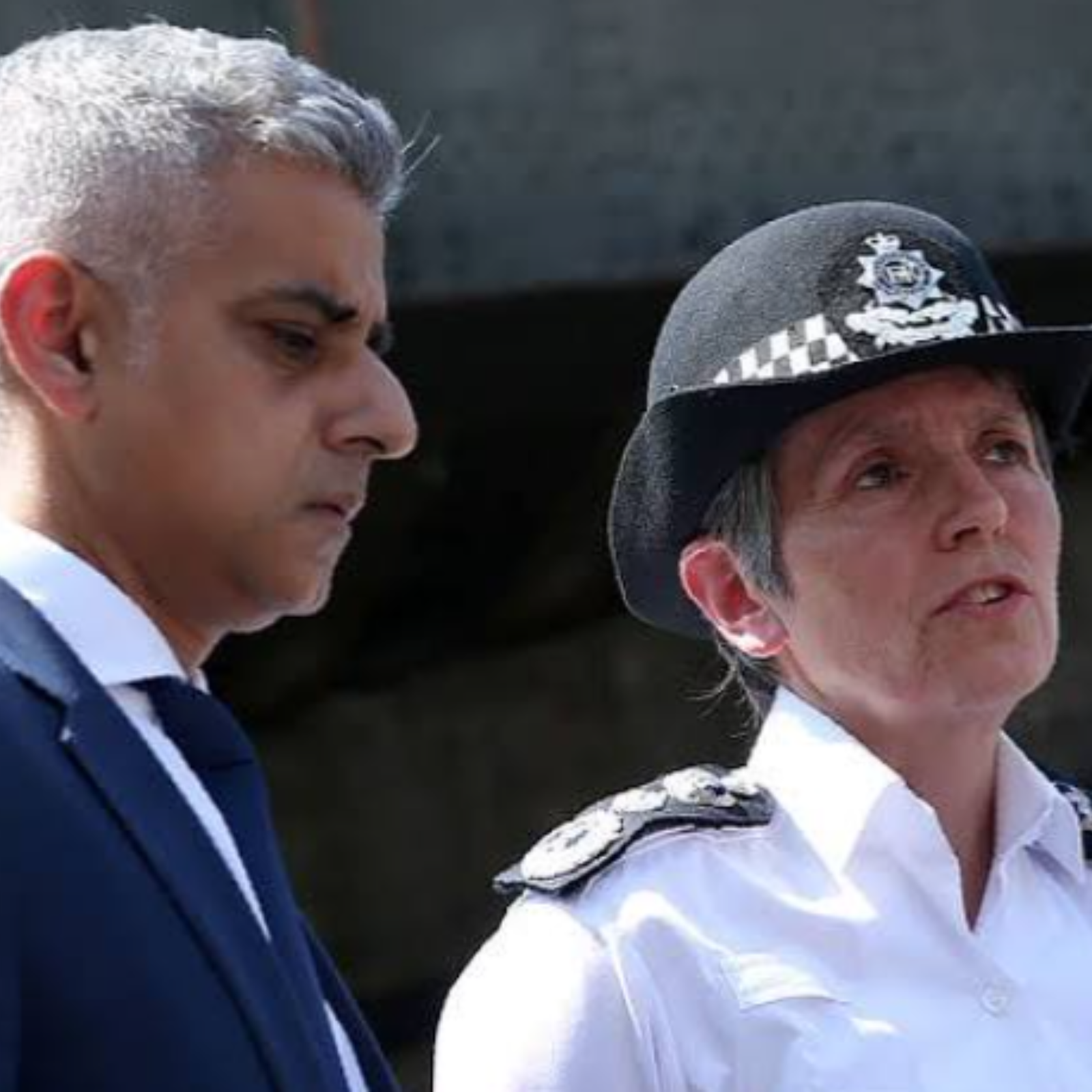
A Growing Concern That Affects Every Londoner
Only a few months ago, I found myself reading another headline about police funding in London, and it made me stop for a moment. Like many people, I’ve always assumed that public safety is one area governments would protect above almost everything else. But the more I explored the issue, the clearer it became that the debate isn’t simply about budgets it’s about the officers responding to emergencies, the communities depending on neighbourhood policing, and the resources needed to keep one of the world’s busiest cities safe.
If you’ve been wondering why Sadiq Khan demands an end to police funding cuts, you’re certainly not alone. The discussion has become one of the UK’s most important political and public safety issues. From concerns over terrorism and violent crime to the rising cost of policing, London’s leaders argue that years of financial pressure have stretched the Metropolitan Police to its limits.
Recent figures and public statements highlight a growing funding gap, while inflation and increasing operational costs continue to place additional strain on police services. At the same time, reforms within the Metropolitan Police require significant investment to rebuild public confidence and strengthen neighbourhood policing.
In this article, we’ll explore why Mayor of London Sadiq Khan continues to campaign for greater police funding, how Andy Burnham joined the call for action, what role the UK Government and Home Office play, and why these decisions could shape the future of policing across London, England, and Wales.
Overview
The campaign to end police funding cuts has become one of Sadiq Khan’s most consistent priorities during his time as Mayor of London. He argues that years of real-terms reductions in government support, combined with rising inflation and increasing policing costs, have created a financial shortfall worth hundreds of millions of pounds.
One of the biggest concerns is what City Hall often describes as a major funding “black hole.” Budget deficits—including a previously reported gap of around £260 million—have forced difficult decisions such as reducing police staff, reviewing front-counter services at some police stations, and limiting the work of non-essential policing teams.
Khan has repeatedly explained that although the UK Home Office provides most of the Metropolitan Police’s funding, City Hall has increasingly relied on local council tax and business rates to fill funding gaps. According to the Mayor, this shifts too much responsibility for London’s safety onto local taxpayers instead of central government.
The funding debate also extends beyond day-to-day policing. Both Sadiq Khan and Metropolitan Police Commissioner Sir Mark Rowley have stressed that long-term government investment is essential for delivering major reform programmes within the Metropolitan Police. They argue that sustainable funding is necessary not only to improve neighbourhood policing but also to rebuild public trust, modernise policing practices, and strengthen London’s ability to respond to serious crime and terrorism.
Why Has Sadiq Khan Called for an End to Police Funding Cuts?
For several years, Sadiq Khan has consistently argued that police funding should be treated as a national priority rather than an area for continued spending reductions.
His position became even more prominent when he joined forces with Andy Burnham, the Mayor of Greater Manchester, to urge the UK Government to reconsider its approach to police funding.
Together, they warned that years of financial pressure could undermine public safety, especially as police forces continue to face growing demands.
Their joint message was directed at Philip Hammond, who served as Chancellor during a crucial Budget announcement. The two mayors argued that the Government should use the Budget to reverse real-term reductions to policing budgets that had continued since 2010.
Their concern wasn’t only about numbers on a balance sheet.
Instead, they argued that funding decisions directly affect police officers, emergency response capabilities, neighbourhood policing, crime prevention, and counter-terrorism operations.
A Decade of Financial Pressure on Police Forces
To understand today’s debate, it’s important to look back.
Since 2010, police forces across England and Wales have experienced years of real-term funding reductions while operational demands have steadily increased.
Although funding settlements have changed over time, many policing leaders argue that rising inflation, increasing salaries, technology costs, specialist training, and modern policing challenges have outpaced available resources.
As inflation climbed to around 2.9% during one key period of the debate, police leaders warned that maintaining existing services was becoming increasingly difficult.
Unlike many public services, policing cannot simply reduce demand.
Every day brings new emergency calls, investigations, neighbourhood patrols, cybercrime cases, domestic violence incidents, organised crime investigations, and counter-terrorism responsibilities.
From my own perspective, this explains why the funding debate resonates with so many people. Whether you live in London or elsewhere, everyone expects police officers to arrive quickly during emergencies. That expectation depends heavily on adequate investment.
London’s Public Safety Challenges Continue to Grow
London remains one of Europe’s busiest and most diverse cities.
Millions of residents, commuters, and tourists rely on the Metropolitan Police every single day.
But policing the capital has become increasingly complex.
Officers now deal with everything from organised crime networks and online fraud to knife crime, violent offences, cybercrime, public protests, and major public events.
On top of these responsibilities, counter-terrorism remains one of London’s highest priorities.
Following several horrific terrorist attacks in recent years, police officers were widely praised for going above and beyond their normal duties to protect the public.
These incidents also demonstrated something important.
Exceptional policing requires exceptional resources.
Without sufficient investment, many policing experts argue that maintaining current service levels while preparing for future threats becomes increasingly difficult.
Andy Burnham Joins the Campaign
While London often receives the most media attention, Andy Burnham has made it clear that funding concerns extend well beyond the capital.
As Mayor of Greater Manchester, Burnham joined Sadiq Khan in calling for stronger investment in policing across England and Wales.
Their joint campaign reflected a shared belief that public safety should remain at the centre of national spending decisions.
Rather than viewing police funding as a local issue, both mayors argued that it represents a national responsibility requiring long-term government support.
Their message was straightforward.
Police officers have repeatedly demonstrated extraordinary dedication during some of the country’s most difficult moments.
The Government, they argued, should demonstrate similar commitment by ensuring forces have the financial resources needed to continue protecting communities.
Public Safety Comes Before Politics
One aspect of this debate stands out more than anything else.
Although discussions about government spending often become politically divided, public safety affects everyone regardless of political opinion.
Whether someone supports one political party or another, most people agree that effective policing helps create safer neighbourhoods, protects businesses, supports emergency response, and strengthens community confidence.
That is why Sadiq Khan has continued to argue that ending police funding cuts is not simply about increasing budgets it is about ensuring that police officers have the tools, staffing, and resources needed to respond when people need them most.
The Appeal to Philip Hammond and the UK Government
As pressure on policing budgets continued to grow, Sadiq Khan and Andy Burnham decided to take their concerns directly to the UK Government. Their joint letter to Philip Hammond, who was serving as Chancellor, urged him to use the national Budget to reverse years of real-term police funding cuts.
Their argument was simple but powerful: if public safety is one of the government’s highest priorities, then policing should receive the financial support needed to match that commitment.
The two mayors stressed that police forces were being asked to do more every year while operating under increasing financial pressure. Rising operational costs, inflation, and expanding responsibilities meant that maintaining existing services was becoming harder, even before considering new challenges such as cybercrime and organised criminal networks.
From my perspective, this is where the debate becomes easier to understand. Imagine asking any organisation to handle more work every year while its budget struggles to keep pace with rising costs. Eventually, difficult decisions become unavoidable.
Why Police Leaders Are Sounding the Alarm
The concerns raised by London’s Mayor were not isolated political opinions.
Senior policing figures across the country also warned that funding pressures could affect the ability of forces to protect the public.
One of the strongest voices came from Chief Constable Sara Thornton, then Chair of the National Police Chiefs’ Council (NPCC).
Thornton highlighted that even counter-terrorism policing, one of the UK’s most critical security priorities, faced reductions in real terms over the coming years. At one stage, police leaders warned that counter-terrorism funding could effectively fall by more than 7% in real terms because rising costs would outstrip available resources.
That warning attracted national attention.
Counter-terrorism policing is far more than responding after an incident occurs. It includes intelligence gathering, surveillance, specialist investigations, armed response capabilities, community engagement, digital monitoring, and close cooperation with national security agencies.
Reducing investment in any of these areas can place additional pressure on already stretched teams.
Counter-Terrorism Remains a National Priority
Few issues demonstrate the importance of police funding more clearly than terrorism.
London and Greater Manchester have both experienced devastating terrorist attacks that tested emergency services under the most difficult circumstances.
During those incidents, police officers, emergency responders, and security agencies were widely praised for their professionalism and courage. Officers worked long hours, often placing themselves in danger to protect the public and restore order.
These events also reinforced an important lesson.
Preparing for terrorism requires continuous investment—not only after attacks occur but long before they happen.
Specialist officers need advanced training. Intelligence units require modern technology. Emergency response teams depend on equipment, vehicles, communication systems, and ongoing operational support.
This is why Sadiq Khan and Andy Burnham argued that reducing police funding at a time of evolving security threats could increase risks rather than strengthen resilience.
Rising Crime Adds to the Financial Pressure
While terrorism often dominates national headlines, it represents only one part of modern policing.
Police forces across England and Wales also respond to a wide range of everyday crimes, including:
- Violent crime
- Knife crime
- Domestic abuse
- Burglary
- Vehicle theft
- Cybercrime
- Fraud
- Drug-related offences
- Organised crime
- Anti-social behaviour
Many of these offences require lengthy investigations, specialist officers, forensic support, and collaboration with local communities.
At the same time, demand for neighbourhood policing has continued to grow.
Residents want visible police patrols, faster emergency responses, and stronger relationships between officers and local communities. Meeting those expectations becomes increasingly challenging when financial resources are limited.
One thing I noticed while researching this topic is that policing has changed dramatically over the last decade. Officers today deal with traditional crime while also tackling online scams, digital evidence, encrypted communications, and increasingly sophisticated criminal networks. These responsibilities require investment in technology as well as people.
Inflation Continues to Stretch Police Budgets
One issue that often receives less attention is inflation.
Even when budgets remain broadly similar on paper, rising prices reduce what that money can actually buy.
Fuel costs increase.
Equipment becomes more expensive.
Technology requires regular upgrades.
Officer salaries and pensions rise.
Training costs expand.
Building maintenance and operational expenses also continue to climb.
During one key stage of this debate, inflation stood at approximately 2.9%, creating additional pressure on already constrained police budgets.
This is why many experts refer to real-term funding cuts rather than simply looking at headline spending figures.
If costs increase faster than funding, police forces effectively have fewer resources available despite receiving similar amounts of money.
The Metropolitan Police’s Budget Challenges
The Metropolitan Police Service (Met) faces unique responsibilities compared with many other UK police forces.
In addition to policing London, the Met supports:
- National counter-terrorism operations
- Protection of the Royal Family
- Security for Parliament
- Diplomatic protection
- Large-scale public events
- International state visits
- National investigations
These additional responsibilities require significant financial resources.
According to City Hall, the Metropolitan Police has repeatedly faced substantial budget shortfalls, including a widely discussed funding gap of around £260 million.
To manage these financial pressures, difficult choices have included:
- Reducing police staff numbers
- Reviewing front-counter services at some police stations
- Scaling back certain non-essential teams
- Delaying investment in infrastructure and technology
- Finding internal efficiencies across departments
While many of these measures are designed to reduce costs rather than frontline policing, critics argue that prolonged financial pressure eventually affects overall service delivery.
Who Should Pay for London’s Policing?
One of the central disagreements involves how police funding is shared between national and local government.
According to Sadiq Khan, the majority of the Metropolitan Police’s budget comes from the Home Office through central government grants.
However, City Hall has increasingly relied on funding generated through:
- Council tax
- Business rates
- Local government contributions
Khan argues that local taxpayers have been asked to shoulder a growing share of the financial burden while central government support has failed to keep pace with demand.
Supporters of the Mayor believe this places an unfair responsibility on London residents.
Others argue that local authorities should continue contributing significantly toward policing services.
Regardless of political views, the debate highlights an important question: how should the cost of keeping one of the world’s largest cities safe be shared?
Reforming the Metropolitan Police Requires Investment
Funding is not only about maintaining officer numbers.
It is also closely connected to reform.
Both Sadiq Khan and Met Commissioner Sir Mark Rowley have repeatedly stated that meaningful reform within the Metropolitan Police requires long-term financial certainty.
Following several high-profile reviews and public concerns about standards within the force, reform programmes have focused on:
- Strengthening neighbourhood policing
- Improving leadership and accountability
- Enhancing officer training
- Modernising technology and digital systems
- Rebuilding public trust
- Improving victim support
- Increasing transparency
These initiatives require sustained investment over many years.
Without adequate funding, leaders argue that delivering meaningful improvements while maintaining everyday policing becomes significantly more difficult.
As I looked deeper into this issue, one thing became clear: reform and funding are closely connected. Communities expect better policing, but achieving lasting improvements requires both leadership and the resources to put those plans into action.
Why This Debate Matters Beyond London
Although much of the discussion focuses on the Metropolitan Police, the broader issue affects police forces across England and Wales.
Many regional forces face similar challenges, including rising operational costs, recruitment pressures, modern crime trends, and growing public expectations.
That is why the campaign led by Sadiq Khan and Andy Burnham attracted national attention. Their message was not simply about London or Greater Manchester—it was about ensuring that policing across the country has the resources needed to keep communities safe in an increasingly complex world.
What Could Happen If Funding Pressures Continue?
One of the biggest questions surrounding this debate is what happens if police funding fails to keep pace with demand.
Police leaders have repeatedly warned that financial pressure doesn’t only affect budgets—it can eventually influence frontline services, neighbourhood policing, specialist investigations, and long-term crime prevention.
If funding challenges continue, police forces may have to make even tougher decisions, including:
- Prioritising emergency incidents over lower-priority investigations.
- Delaying investment in modern policing technology.
- Reducing administrative and support staff.
- Reviewing public-facing services such as police station front counters.
- Slowing recruitment or delaying replacement of retiring officers.
- Limiting specialist units that focus on prevention rather than immediate response.
While police services always aim to protect frontline operations, prolonged budget pressures can make balancing these priorities increasingly difficult.
The Government’s Position
Successive UK governments have maintained that they continue to invest in policing while also expecting forces to improve efficiency and modernise their operations.
Government ministers have frequently pointed to police recruitment programmes, additional grant funding, and broader spending settlements as evidence of continued investment in law enforcement.
However, critics—including Sadiq Khan, Andy Burnham, policing leaders, and local authorities—argue that headline funding figures do not always reflect the reality of rising operational costs, inflation, and increasing demand.
This disagreement largely explains why the police funding debate continues to dominate discussions around public safety.
Why This Matters to Every Londoner
Even if you’ve never interacted with the Metropolitan Police, police funding affects everyday life more than many people realise.
Adequately funded policing contributes to:
- Faster emergency response times.
- Safer neighbourhoods.
- Better protection against organised crime.
- Stronger counter-terrorism capabilities.
- More visible community policing.
- Improved support for victims.
- Greater public confidence in law enforcement.
When police officers have the personnel, equipment, technology, and specialist resources they need, communities often benefit from more proactive policing rather than simply reacting to incidents after they occur.
As I researched this topic, one conclusion became increasingly clear: police funding isn’t simply a political debate discussed in Parliament or City Hall. It directly influences how effectively officers can protect communities every single day.
Looking Ahead
The conversation surrounding police funding is unlikely to disappear anytime soon.
As London continues to grow and policing becomes more complex, financial pressures are expected to remain an important issue for both local and national leaders.
Future discussions will likely focus on:
- Sustainable long-term funding settlements.
- Continued Metropolitan Police reform.
- Investment in neighbourhood policing.
- Counter-terrorism preparedness.
- Technology and digital policing.
- Officer recruitment and retention.
- Balancing national government grants with local funding contributions.
Both Sadiq Khan and Sir Mark Rowley have repeatedly argued that stable central government funding is essential if London is to maintain public safety while delivering meaningful reforms within the Metropolitan Police.
Whether future governments increase funding or pursue alternative approaches, the outcome will have lasting implications for policing across England and Wales.
Frequently Asked Questions
Why is Sadiq Khan demanding an end to police funding cuts?
Sadiq Khan argues that years of real-term reductions in police funding, combined with inflation and rising operational costs, have created significant financial pressures on the Metropolitan Police. He believes additional central government funding is necessary to maintain public safety and support ongoing police reforms.
What is the Metropolitan Police funding gap?
City Hall has previously reported significant budget shortfalls, including a funding gap of around £260 million. These pressures have required difficult financial decisions affecting staffing, police station services, and operational planning.
Why did Andy Burnham support the campaign?
Andy Burnham joined Sadiq Khan because Greater Manchester faces similar policing challenges. Both mayors believe police funding should be treated as a national priority rather than relying heavily on local taxpayers.
How does inflation affect police budgets?
Inflation increases the cost of salaries, equipment, vehicles, fuel, technology, buildings, and training. Even if overall funding remains similar, higher costs reduce the purchasing power of police budgets, resulting in real-term funding reductions.
Why is counter-terrorism funding important?
Counter-terrorism policing requires specialist officers, intelligence gathering, surveillance, advanced technology, and rapid response capabilities. Police leaders have warned that reducing investment in these areas could affect the UK’s ability to respond to evolving security threats.
Final Thoughts
The campaign led by Sadiq Khan and Andy Burnham has brought renewed attention to one of the most significant public policy debates in the UK. Their message is clear: effective policing depends on sustainable investment, especially at a time when crime is becoming more complex, operational costs continue to rise, and public expectations remain high.
Supporters argue that additional funding would strengthen neighbourhood policing, improve emergency response, enhance counter-terrorism capabilities, and help the Metropolitan Police deliver the reforms needed to rebuild public confidence. Critics, meanwhile, continue to debate how funding should be allocated and whether greater efficiency can offset some financial pressures.
Ultimately, the discussion goes beyond politics. It is about ensuring that police officers have the resources, training, and support necessary to protect communities across London and the wider UK. As future Budgets and spending reviews are announced, the balance between national investment and local responsibility will remain central to shaping the future of policing.


 Elsa Addison