 Elsa Addison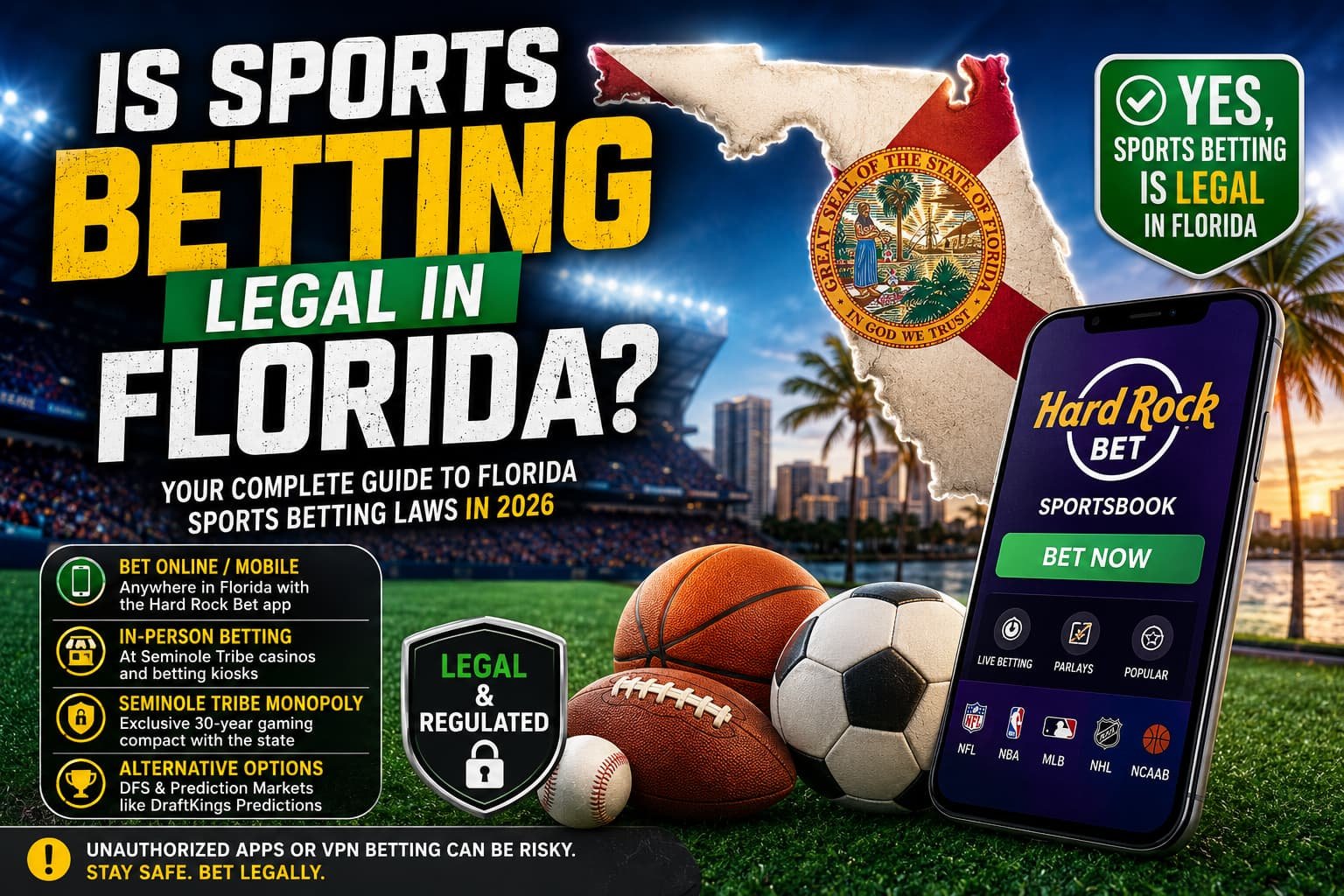
Sports betting has become one of the fastest-growing forms of entertainment in the United States. From NFL games to NBA playoffs, millions of fans now place bets directly from their phones. But if you live in Florida, or you’re visiting the state, things are a little more complicated.
In my experience, many people assume they can simply download apps like DraftKings or FanDuel and start betting immediately. However, Florida has its own unique rules, and not every sportsbook operates legally inside the state.
The short answer is yes, sports betting is legal in Florida. But there’s a major catch. The market is tightly controlled, and only one operator currently has full authorization to offer traditional sports betting statewide.
That setup has created confusion for casual bettors, tourists, and even longtime sports fans.
So if you’ve ever wondered:
- Which betting apps are legal in Florida?
- Can you use DraftKings or FanDuel?
- Is the Hard Rock Bet app the only option?
- Are VPN betting methods risky?
This guide breaks everything down in simple language.
Why Florida Sports Betting Is Different
Unlike many states that allow multiple sportsbooks to compete, Florida uses a much more restricted system.
Right now, the Seminole Tribe of Florida controls legal sports betting operations through an exclusive agreement with the state.
That means the legal market works very differently compared to states like:
- New York
- New Jersey
- Pennsylvania
- Colorado
In those states, bettors can choose from multiple sportsbooks. In Florida, the options are far more limited.
In my experience researching gambling laws, Florida has one of the most unique sports betting structures in the country because of the long-term gaming compact between the state and the Seminole Tribe.
The Seminole Tribe’s Exclusive Sports Betting Rights
The biggest thing to understand is this:
The Seminole Tribe holds exclusive rights to sports betting in Florida through a 30-year gaming compact.
That agreement gives them control over:
- Online sports betting
- Retail sportsbooks
- Betting kiosks
- Mobile wagering operations
Because of this deal, the official Hard Rock Bet platform became the primary legal sportsbook option in Florida.
This monopoly-style setup is one reason why apps like DraftKings and FanDuel cannot currently operate traditional sportsbooks within state lines.
How You Can Legally Bet on Sports in Florida
If you want to stay fully compliant with Florida law, there are currently two legal ways to place sports bets.
1. Use the Hard Rock Bet App
The easiest and most popular option is the Hard Rock Bet mobile app.
You can legally place bets from almost anywhere inside Florida as long as:
- You are physically located within state borders
- You meet the legal betting age requirements
- Your geolocation services are enabled
In my experience, the app functions similarly to most mainstream sportsbooks. Users can:
- Bet on NFL games
- Place NBA wagers
- Bet on MLB and NHL games
- Access live betting features
- Use parlay betting options
The convenience of mobile betting is one reason sports wagering has grown so rapidly across the state.
2. Visit Seminole Casino Sportsbooks
Florida also allows in-person sports betting at Seminole Tribe casino properties.
You can place bets at:
- Retail sportsbooks
- Betting kiosks
- Casino betting counters
These locations are connected to Hard Rock gaming operations across Florida.
For people who prefer the traditional sportsbook atmosphere, this option still delivers the classic experience of watching games and placing bets in person.
What About DraftKings and FanDuel?
This is where things get confusing for many bettors.
Apps like DraftKings and FanDuel are nationally recognized sportsbooks in many states. However, traditional sportsbook betting through those platforms is not fully authorized in Florida right now.
That means you cannot legally use them for standard sports wagering the same way you would in states with open sportsbook markets.
Still, some limited alternatives remain available.
Are DraftKings and FanDuel Completely Unavailable?
Not entirely.
Although their sportsbook products face restrictions, some services still operate legally in Florida.
Daily Fantasy Sports (DFS)
Daily Fantasy Sports contests remain one of the biggest alternatives.
Users can participate in contests where winnings are based on:
- Player performance
- Fantasy lineups
- Statistical outcomes
This differs from traditional sportsbook wagering because users compete in fantasy contests instead of directly betting against a sportsbook.
In my experience, many casual users confuse DFS with sports betting, but legally they are treated differently in several states.
Prediction Markets
Some prediction-style platforms also operate in limited forms.
For example:
- DraftKings Predictions
- Alternative player-pick systems
- Regulated contest formats
These options provide sports-related action without functioning exactly like a traditional sportsbook.
Why Some People Use VPNs for Sports Betting
Because Florida’s market is restricted, some bettors attempt to bypass geolocation rules using VPNs (Virtual Private Networks).
A VPN can make it appear as though a user is placing bets from another state where sportsbooks like FanDuel or DraftKings are fully legal.
In my experience, this practice has become increasingly common among:
- College students
- Frequent travelers
- Experienced online bettors
But just because people do it doesn’t necessarily mean it’s legal.
Read More: Is Boxing a Sport?
Is Using a VPN for Sports Betting Illegal?
Technically, yes.
Sports betting platforms determine legality based on your physical location — not your digital location.
So even if a VPN masks your IP address, the user is still physically inside Florida.
This creates a legal gray area that many bettors misunderstand.
Potential Risks Include:
- Account suspension
- Voided bets
- Loss of winnings
- Platform bans
- Possible legal violations
That said, enforcement against individual bettors has historically been limited.
Most enforcement efforts focus more on:
- Unauthorized operators
- Offshore betting sites
- Regulatory compliance
- Revenue protection
Why Florida Keeps Sports Betting So Restricted
In my experience, the biggest reason comes down to money and control.
The Seminole Tribe agreement generates significant revenue for the state through:
- Gaming compacts
- Revenue-sharing agreements
- Taxes and licensing structures
Allowing dozens of sportsbooks into the market could disrupt that arrangement.
That’s why Florida continues defending the Seminole Tribe’s exclusive rights so aggressively.
The setup also gives Hard Rock Bet a massive competitive advantage over national sportsbooks.
Offshore Sportsbooks and Hidden Risks
Some Florida bettors also use offshore betting websites that operate outside U.S. regulations.
While these sites may appear convenient, they carry serious risks.
Problems With Offshore Sportsbooks
In my experience researching online gambling platforms, offshore sites can create major issues such as:
- Delayed withdrawals
- Poor customer support
- Weak security protections
- Limited legal accountability
- Unregulated operations
If disputes happen, users often have little protection compared to regulated U.S. sportsbooks.
That’s one reason many experts recommend sticking with licensed platforms whenever possible.
How Florida Sports Betting Could Change in the Future
The sports betting industry continues evolving quickly across the United States.
As more states legalize online wagering, pressure may eventually grow for Florida to expand its sportsbook market beyond Hard Rock Bet.
Potential future changes could include:
- Additional sportsbook licenses
- Competitive betting markets
- Expanded mobile wagering
- New gambling legislation
- Partnerships with major betting brands
However, because the Seminole Tribe agreement runs long-term, major changes may not happen anytime soon.
In my experience, Florida lawmakers move cautiously when gambling revenue and tribal agreements are involved.
Tips for Betting Safely in Florida
If you plan to bet on sports in Florida, it’s important to understand both the legal and financial side of gambling.
Here are a few practical tips:
Stick With Authorized Platforms
Using regulated sportsbooks reduces the risk of fraud or payment issues.
Understand Geolocation Rules
Always verify whether an app is legally authorized within Florida.
Avoid Risky VPN Workarounds
Trying to bypass state restrictions can create account problems or legal complications.
Set Betting Limits
Responsible gambling matters just as much as winning bets.
Research Before You Bet
Successful sports betting requires strategy, discipline, and realistic expectations.
The Bigger Picture Behind Florida Sports Betting
What makes Florida interesting is that it reflects the larger debate happening across the country.
Some states prefer:
- Open competition
- Multiple sportsbook operators
- Aggressive market expansion
Others prioritize:
- State control
- Tribal gaming agreements
- Limited sportsbook access
Florida currently falls into the second category.
And honestly, in my experience, many casual bettors don’t realize how heavily politics, revenue agreements, and tribal negotiations shape gambling laws behind the scenes.
Final Thoughts
So, is sports betting legal in Florida?
Yes — but only through authorized channels tied to the Seminole Tribe and the Hard Rock Bet platform.
That means:
- Hard Rock Bet is the primary legal sportsbook
- Retail betting is allowed at Seminole casino properties
- DraftKings and FanDuel sportsbook operations remain restricted
- VPN betting carries legal and account-related risks
For now, Florida continues operating under one of the most tightly controlled sports betting systems in the country.
In my experience, the smartest approach is staying informed, using legal platforms, and understanding how state gambling laws actually work before placing bets.
As the sports betting industry keeps growing nationwide, Florida’s unique setup may eventually evolve. Until then, knowing the rules can help you avoid confusion — and potentially expensive mistakes.