 Mark Jones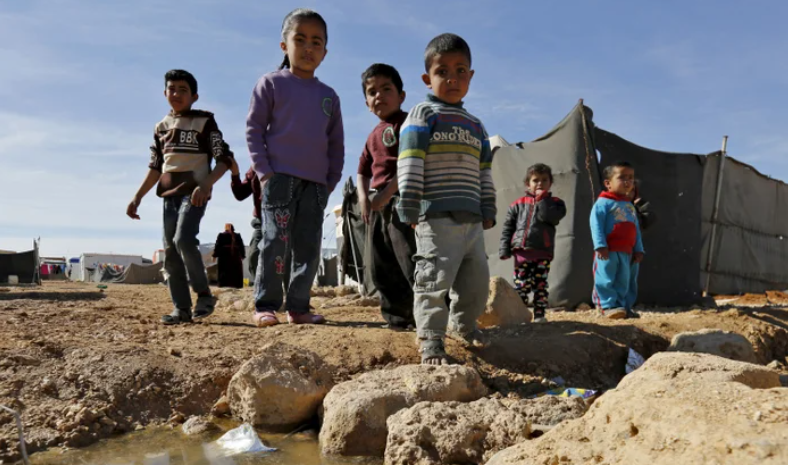
Introduction
In my experience researching refugee care systems and local authority responses across the UK, few issues reveal the pressure on public services more clearly than the rise in unaccompanied asylum-seeking children (UASC). Behind every statistic is a young person who has fled conflict, instability, trafficking, or persecution without parents or legal guardians.
Recent figures from London Councils revealed that there are currently 1,540 unaccompanied asylum-seeking children living in the capital — a staggering increase of 75% compared with 2013. Across England, updated 2017 figures showed 4,560 unaccompanied asylum-seeking children in care systems nationwide.
The numbers tell only part of the story. The wider refugee crisis, the closure of the Calais Jungle refugee camp, and the implementation of the Dubs Amendment all combined to place enormous responsibility on local councils, social workers, foster carers, and humanitarian organizations.
Overview
Unaccompanied asylum-seeking children (UASC) represent one of the most vulnerable groups in the immigration system, lacking both lawful immigration status and a parent or legal guardian present to provide care. The figure of 1,540 unaccompanied asylum-seeking children reflects data reported by London Councils, highlighting significant systemic strain on local authorities.
This specific statistic ties into ongoing structural and financial challenges within care systems:
- Resource strain continues to affect borough councils responsible for housing and safeguarding refugee children.
- Under Section 20 of the Children Act 1989, local municipalities carry statutory responsibility for child protection and accommodation.
- Support organizations frequently report severe emotional distress, trauma, and mental health challenges among asylum-seeking minors navigating lengthy immigration procedures.
In many cases, these children arrive after experiencing war, trafficking, family separation, or dangerous migration routes across Europe. That reality explains why refugee support services increasingly emphasize safeguarding, long-term care, education access, and mental health assistance.
Read More: Met Police Warns of Officer Number Cuts
Understanding Who Unaccompanied Asylum-Seeking Children Are
Unaccompanied asylum-seeking children are minors who arrive in the UK without a parent or legal guardian and apply for asylum protection. Many travel through multiple countries before reaching Britain.
From what I’ve researched, these children often arrive carrying layers of trauma that go far beyond immigration paperwork. Some have escaped armed conflict. Others have survived human trafficking, exploitation, or dangerous journeys across borders.
Common challenges faced by UASC include:
- Language barriers
- Trauma and mental health struggles
- Lack of family support
- Uncertain immigration status
- Interrupted education
- Difficulty adapting to new environments
Because they are minors, local authorities must step in immediately to provide care, accommodation, education, and safeguarding support.
The Impact of the Calais Jungle Closure
One of the biggest turning points in Europe’s refugee situation came with the closure of the Closure of the Calais Jungle refugee camp in northern France.
The camp had become home to thousands of displaced migrants and refugee children hoping to reach the United Kingdom. When French authorities dismantled the camp in 2016, pressure shifted rapidly onto UK immigration and local authority systems.
A year later, England recorded 4,560 unaccompanied asylum-seeking children nationwide.
In my view, the closure exposed how interconnected European refugee systems had become. Removing the camp did not remove the humanitarian crisis. Instead, responsibility simply shifted toward local councils, immigration agencies, and social care departments.
How the Dubs Amendment Changed Refugee Child Policy
The Dubs Amendment became one of the most discussed refugee protection measures during this period.
Named after child refugee advocate Lord Alfred Dubs, the policy aimed to allow vulnerable refugee children already in Europe to relocate safely to Britain.
Councils across London played a major role in supporting these arrivals. Between October 2016 and February 2017, boroughs accommodated more than 100 new UASC arrivals while also helping reunite over 40 asylum-seeking children with family members already living in the capital.
What stands out to me is how family reunification often becomes one of the most effective forms of emotional stabilization for refugee children. Even limited family connections can dramatically improve long-term outcomes.
The Growing Pressure on London Boroughs
The increase in refugee children created major operational and financial pressures for local authorities.
According to London Councils, boroughs continued providing sanctuary despite rising accommodation costs, social care demands, and placement shortages.
Several ongoing challenges continue affecting councils today:
Housing and Placement Shortages
Finding safe foster placements for asylum-seeking minors is increasingly difficult.
Local authorities frequently struggle with:
- Limited foster carers
- Emergency accommodation shortages
- High housing costs in London
- Rising social care caseloads
In my experience reviewing local government reports, housing remains one of the most critical pressure points in the refugee support system.
Mental Health Support Demands
Many refugee children arrive after experiencing:
- Violence
- Family loss
- Exploitation
- War-related trauma
- Dangerous migration journeys
Organizations supporting refugees often warn that delays in asylum processing can worsen anxiety, depression, and isolation among young asylum seekers.
Without proper intervention, emotional distress can affect education, long-term integration, and personal development.
Financial Strain on Councils
One recurring concern raised by borough leaders involves funding gaps.
While the Home Office provides some financial support, local authorities frequently argue that reimbursements do not fully cover:
- Social care services
- Specialist mental health support
- Interpreters
- School placements
- Foster care costs
- Legal support
This creates long-term pressure on already stretched council budgets.
Claire Kober and London Councils’ Response
Claire Kober emphasized that London boroughs were continuing a long tradition of supporting refugees and asylum seekers.
Her statement reflected a broader humanitarian position adopted by many councils during the refugee crisis.
She stated that:
“London boroughs are honouring a rich history of helping refugees and asylum seekers by resettling unaccompanied asylum-seeking children arriving in England.”
That message highlighted an important reality: refugee care is not only about immigration policy. It is also about community responsibility, safeguarding vulnerable children, and balancing humanitarian obligations with practical service delivery.
Why These Statistics Matter Beyond Politics
It is easy for refugee debates to become dominated by political arguments or immigration numbers. But the reality is more personal and complex.
Each increase in UASC figures represents:
- More children requiring protection
- More demand on social workers
- More foster placements needed
- Greater mental health support requirements
- Increased pressure on schools and healthcare systems
At the same time, many refugee children eventually contribute positively to society when given stable support systems.
In my research, successful integration often depends on three key factors:
- Early safeguarding support
- Fast access to education
- Stable long-term accommodation
When those elements are missing, young asylum seekers face far greater risks of isolation and long-term hardship.
Lessons the UK Refugee System Continues to Learn
The situation surrounding unaccompanied asylum-seeking children has revealed several important lessons for policymakers and local authorities.
Early Intervention Matters
Quick access to housing, legal support, and healthcare reduces long-term risks for vulnerable minors.
Local Councils Need Sustainable Funding
Short-term emergency funding often fails to address long-term care responsibilities.
Family Reunification Helps Stability
Keeping children connected to relatives can significantly improve emotional wellbeing.
Mental Health Services Are Essential
Trauma-informed support should be treated as a core part of refugee care, not an optional extra.
The Future of Refugee Child Support in England
As migration patterns continue changing globally, England’s asylum and safeguarding systems will likely remain under pressure.
Future improvements may require:
- Better coordination between councils
- Faster asylum processing
- Expanded foster care recruitment
- Increased mental health resources
- More sustainable government funding models
Many experts also argue that long-term refugee integration strategies are just as important as emergency response measures.
Conclusion
The rise to 1,540 unaccompanied asylum-seeking children in London reflects far more than a statistical increase. It highlights the growing responsibilities placed on local authorities, the lasting impact of the European refugee crisis, and the ongoing need for compassionate but sustainable refugee policies.
From the aftermath of the Calais Jungle closure to the implementation of the Dubs Amendment, councils across the capital have continued providing sanctuary and support for some of the world’s most vulnerable children.
In my experience examining these systems, the biggest lesson is simple: refugee child protection requires more than emergency action. It demands long-term planning, coordinated support services, and a commitment to safeguarding children regardless of where they come from.
As refugee debates continue across Europe and the UK, these young people remain at the center of one of the most important humanitarian challenges facing modern social care systems today.