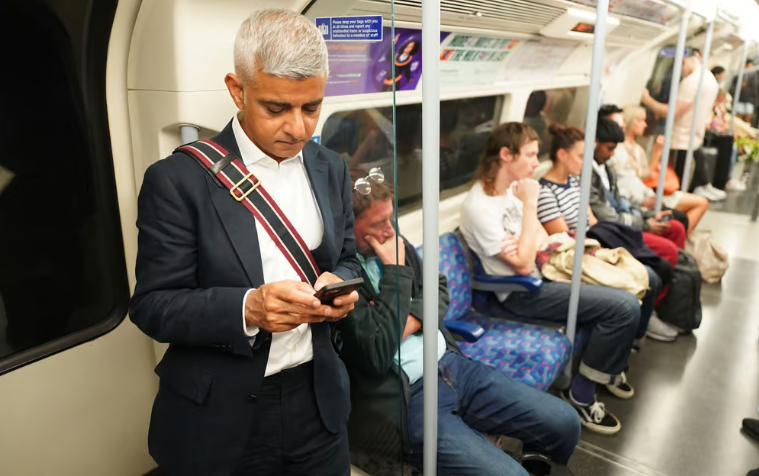
Road safety has become one of the biggest transport challenges facing modern cities. In busy urban areas like London, the rapid growth of motorcycle deliveries, cycling, e-scooters, and micro-mobility services has created new opportunities for convenient travel but it has also introduced serious safety concerns.
That is why Transport for London and Sadiq Khan are now increasing pressure on the UK Government to introduce stricter national safety standards aimed at protecting riders, pedestrians, cyclists, and other vulnerable road users.
After researching the latest transport safety initiatives, I found that this approach is not only about reducing accidents. It is part of a much larger effort to redesign London’s transport culture around prevention, accountability, and long-term public safety.
As Transport for London and Sadiq Khan push for stricter rider safety measures, it also aligns with how London continues to lead environmental reforms through
London Introduces the World’s Toughest Emission Standard
Transport for London and Mayor Sadiq Khan have been actively lobbying the UK Government to strengthen national safety regulations for motorcycles, e-scooters, and micro-mobility devices. The strategy is closely linked to London’s Vision Zero initiative, which aims to eliminate deaths and serious injuries across the transport network by 2041. Due to battery-fire and safety concerns, privately owned e-scooters remain banned on TfL services. Officials are pushing for nationwide manufacturing and usage standards to improve public safety. The Mayor and TfL continue expanding their 43-action road safety framework designed to reduce fatal collisions and serious injuries. Through the Direct Vision Standard programme, large trucks must meet strict visibility requirements to reduce blind-spot risks for cyclists and motorcyclists. In my experience reviewing urban transport trends, one of the biggest challenges cities face today is balancing convenience with public safety. Delivery services have grown rapidly in recent years. Motorcycles and scooters now move through traffic constantly to meet increasing demand for food delivery, courier services, and fast transportation. However, the statistics surrounding motorcycle collisions remain worrying. According to figures published by Transport for London, motorcycle riders and passengers accounted for a disproportionately high number of serious road injuries and fatalities despite representing only a small percentage of total traffic. This imbalance highlights why policymakers are now treating rider safety as an urgent issue rather than a secondary transport concern. One of the most important parts of London’s transport policy is the Vision Zero initiative. The goal is simple but ambitious: At first, that target may sound unrealistic. But after exploring how Vision Zero works internationally, I realized the philosophy focuses on prevention rather than blame. Instead of assuming accidents are unavoidable, Vision Zero asks: This approach changes transport planning completely. Rather than only reacting after accidents happen, authorities redesign roads, improve infrastructure, and strengthen regulations before serious incidents occur. One of the biggest modern transport debates involves e-scooters and micro-mobility devices. While these vehicles offer convenience and lower emissions, they also create new safety concerns. Current concerns include: In London, privately owned e-scooters remain illegal on public roads and are banned from TfL services. In my opinion, this reflects a wider challenge facing governments globally. Technology often develops faster than regulation, leaving authorities struggling to create consistent safety frameworks. That is why TfL and Sadiq Khan are lobbying the Government for nationwide manufacturing standards and harmonized regulations rather than fragmented local rules. Motorcycle delivery riders face unique pressures every day. Unlike regular commuters, delivery riders often work under: These pressures can increase collision risks significantly. TfL has acknowledged this issue by working directly with the motorcycle courier and delivery industry to improve rider confidence, training, and safety standards. In my experience, collaboration between governments and private industries usually produces stronger long-term safety improvements than isolated policies alone. Another important initiative involves the expansion of the Fleet Operator Recognition Scheme, commonly known as FORS. Originally designed for the haulage industry, FORS promotes: Companies can achieve: TfL is now exploring ways to extend these standards to motorcycle delivery companies operating in London. This could encourage businesses to invest more heavily in: Large trucks remain one of the greatest dangers for cyclists and motorcyclists in urban traffic. Blind spots around Heavy Goods Vehicles (HGVs) can create deadly situations, especially at busy intersections. To address this, TfL Sadiq Khan introduced the Direct Vision Standard. This programme requires HGVs to meet strict visibility standards before operating on London roads. The main objective is simple: In my opinion, this is one of the most practical road safety measures introduced in recent years because visibility problems are a major factor in serious collisions involving vulnerable road users. One thing I noticed while researching London’s safety strategy is that infrastructure changes now play a major role in accident prevention. The expanded 43-action safety framework includes: These changes may seem small individually, but together they create safer traffic environments. Research consistently shows that lower vehicle speeds dramatically reduce the severity of collisions. Even reducing average speeds slightly can help prevent serious injuries. While policy changes take time, riders can still improve their own safety immediately. Here are some practical habits that experts consistently recommend: Wear reflective clothing and use lights whenever possible. Speeding and rapid lane changes increase reaction risks. Regular brake and tire checks are essential. Many serious collisions happen at intersections. Assume other drivers may not see you. These habits may sound basic, but in my experience, consistent defensive riding makes a major difference over time. Individual responsibility is important, but large-scale transport safety improvements require government leadership. Without national standards: That is why TfL and Sadiq Khan continue pushing for stronger nationwide transport safety legislation. Their broader goal is not simply reducing accident numbers. It is creating a transport system where people feel safer using motorcycles, bicycles, scooters, and public roads every day. Modern cities are changing rapidly. Electric scooters, delivery services, cycling networks, and shared mobility systems are all transforming how people travel. But with innovation comes responsibility. In my opinion, London’s current strategy shows that future transport planning must combine: No single solution can eliminate road dangers entirely, but coordinated efforts can significantly reduce risks. The decision by Transport for London and Sadiq Khan to lobby the Government for stronger rider safety measures reflects a major shift in urban transport priorities. From motorcycle delivery riders to cyclists and e-scooter users, vulnerable road users are becoming central to future transport policy discussions. Sadiq Khan did Great job by doing this. After exploring the Vision Zero initiative, FORS expansion plans, e-scooter regulations, and HGV visibility standards, it is clear that London is attempting to build a transport system focused more heavily on prevention than reaction. The road to safer cities will not happen overnight. But with stronger regulations, smarter infrastructure, and better public awareness, meaningful progress toward safer urban travel is becoming increasingly possible.Overview
Key Safety Measures Include
Focus Areas
E-Scooters and Micro-Mobility
Vision Zero Road Safety Plan
Heavy Goods Vehicle Safety
Why Rider Safety Has Become a Major Concern
Understanding the Vision Zero Strategy
Eliminate all deaths and serious injuries from London’s transport network by 2041.
The Growing Debate Around E-Scooters
How Motorcycle Delivery Riders Are Being Affected
Expansion of the Fleet Operator Recognition Scheme (FORS)
Direct Vision Standard and HGV Safety
Improve what drivers can directly see without relying entirely on mirrors or cameras.Road Design Is Becoming Just as Important as Rules
Practical Lessons Riders Can Learn Today
1. Prioritize Visibility
2. Avoid Aggressive Riding
3. Maintain Your Vehicle
4. Stay Alert at Junctions
5. Use Defensive Riding Techniques
Why Government Action Matters
The Future of Urban Road Safety
Final Thoughts

Mark Jones
- Environment
- May 18, 2026
- 53 views
London Introduces the World’s Toughest Emission Standard: How the T-Charge Changed the Fight Against Toxic Air
Overview The £10 Toxicity Charge (T-Charge) was introduced in central London to heavily penalize older, more polluting vehicles. First implemented in 2017, the T-Charge acted as a vital stepping stone…