
 Stephen Galvin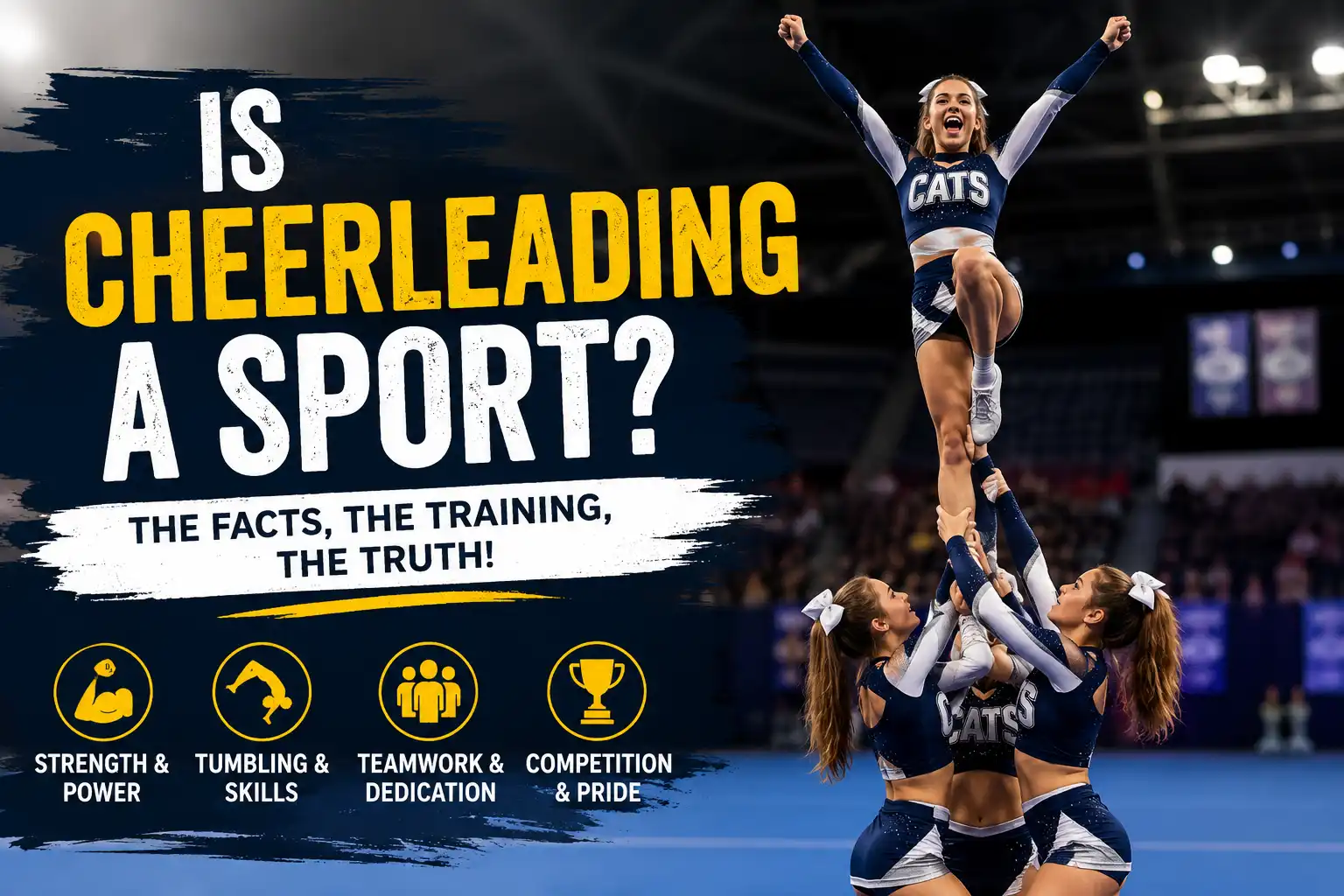
For years, people have debated one question: Is cheerleading really a sport?
In my experience, this debate usually comes from how people view cheerleaders on the sidelines during football or basketball games. Many people only see the smiles, chants, and pom-poms, but they do not always see the intense athletic training happening behind the scenes.
After researching competitive cheerleading, safety standards, training routines, and official recognition, I can confidently say that yes, cheerleading is widely considered a sport. Modern cheerleading involves strength, endurance, flexibility, coordination, teamwork, and high-level competition. It is far more physically demanding than many people realize.
Today’s cheerleaders perform advanced stunts, tumbling passes, basket tosses, and synchronized routines that require months of training and discipline. Injuries can happen just like in gymnastics or football, which is another reason why many organizations classify it as a serious athletic activity.
Overview: Is Cheerleading a Sport?
Yes, cheerleading is widely recognized as a sport because of its physical demands, skill level, and competitive structure. The International Olympic Committee (IOC) officially recognized cheerleading in 2016, showing its growing global legitimacy. By 2022, more than 30 U.S. states had also recognized cheerleading as a varsity sport.
Competitive cheerleading includes:
- Intense athletic training
- Advanced tumbling and stunting
- National and regional competitions
- Strict scoring systems
- Safety regulations and coaching standards
One reason the debate still exists is because traditional sideline cheerleading differs from competitive cheer. Sideline cheer supports other sports during games, while competitive cheer focuses entirely on athletic performance and competition.
Although the NCAA does not fully sanction cheerleading as an official varsity championship sport, many schools still treat it as one for scholarships and Title IX purposes. The International Cheer Union (ICU) also continues pushing for future Olympic participation.
What Makes Something a Sport?
Before deciding whether cheerleading qualifies, it helps to understand what defines a sport.
Most sports include these elements:
- Physical exertion
- Specialized skills
- Competition
- Rules and scoring systems
- Organized training
Cheerleading checks every box.
Competitive cheer teams train year-round, practice difficult routines, and compete against other teams using official judging systems. Athletes must develop power, flexibility, balance, timing, and endurance.
In my experience, people who have never attended a cheer competition are often surprised by how intense and structured it really is.
The Athletic Demands of Cheerleading
One of the strongest arguments for cheerleading being a sport is the level of athleticism involved.
Competitive cheerleaders perform routines that combine elements of:
- Gymnastics
- Dance
- Acrobatics
- Strength training
- Team synchronization
A typical routine lasts around two to three minutes, but those minutes are packed with nonstop movement and explosive energy.
Strength and Power
Cheerleaders constantly lift teammates into the air during stunts and pyramids. Bases must support body weight overhead while maintaining perfect balance.
Flyers need:
- Core strength
- Body control
- Flexibility
- Stability in the air
This level of physical demand is similar to many recognized sports.
Tumbling Skills
Competitive cheerleaders perform:
- Back handsprings
- Full twists
- Tucks
- Layouts
These movements require serious training and technique. Many athletes spend years mastering advanced tumbling skills.
Endurance and Conditioning
Cheer routines are fast-paced and exhausting. Athletes train through:
- Cardio workouts
- Strength conditioning
- Flexibility sessions
- Repetitive practice drills
In many cases, cheerleaders practice several hours a day multiple times a week.
Read More About: Most Dangerous Sport in the World: Risks & Rankings
Competitive Cheerleading vs Sideline Cheerleading
A major reason people debate cheerleading is because there are actually different types of cheerleading.
Sideline Cheerleading
This is the traditional version most people know. Cheerleaders support school sports teams by:
- Leading chants
- Entertaining crowds
- Building school spirit
While sideline cheer still requires athletic ability, the primary focus is support and entertainment.
Competitive Cheerleading
Competitive cheer is completely different.
Teams perform choreographed routines judged on:
- Difficulty
- Execution
- Synchronization
- Creativity
- Tumbling
- Stunting
In my experience watching competitions, competitive cheer feels much closer to gymnastics mixed with dance and acrobatics than traditional sideline cheering.
This version of cheerleading is the main reason the sport debate has shifted over the years.
Why Many People Still Debate It
Even with official recognition and athletic demands, some people still hesitate to call cheerleading a sport.
Here are the most common reasons:
It Started as Entertainment
Historically, cheerleading was designed to support sports teams, not compete independently. Because of this history, some people still view it mainly as entertainment.
Lack of NCAA Championship Status
The NCAA has not fully sanctioned cheerleading as a championship sport. This creates confusion because many people rely on NCAA recognition to define sports legitimacy.
Gender Stereotypes
Unfortunately, stereotypes also play a role. Since cheerleading is often associated with women and performance, some critics unfairly dismiss its athletic difficulty.
However, modern competitive cheer has evolved dramatically and now includes elite-level athletic performance.
Read More About: What Is the Hardest Sport in the World? Expert Guide
Official Recognition of Cheerleading
One of the strongest arguments supporting cheerleading as a sport comes from official organizations.
International Olympic Committee (IOC)
In 2016, the International Olympic Committee officially recognized the International Cheer Union.
This was a major milestone because it opened the possibility for cheerleading to eventually become part of the Olympic Games.
Olympic recognition is not given lightly. Sports must demonstrate:
- International participation
- Standardized rules
- Governing structures
- Competitive integrity
Cheerleading met those requirements.
U.S. State Recognition
More than 30 U.S. states now officially recognize cheerleading as a varsity sport. Schools across the country offer:
- Athletic scholarships
- Competitive programs
- Certified coaching
- Organized championships
This growing recognition continues to strengthen cheerleading’s status.
Is Cheerleading Dangerous?
Like many athletic activities, cheerleading carries injury risks.
In fact, studies have shown that cheerleading accounts for a large percentage of catastrophic injuries in female athletics due to aerial stunts and tumbling.
Common injuries include:
- Sprains
- Concussions
- Fractures
- Knee injuries
- Wrist injuries
However, safety standards have improved significantly over the years.
Modern Safety Rules
Competitive cheer organizations now enforce:
- Certified coaching requirements
- Spotting rules
- Skill progression systems
- Safety mats
- Emergency protocols
These regulations help reduce risks and improve athlete protection.
Skills Cheerleaders Must Develop
Cheerleading is not just about energy and enthusiasm. Athletes must develop technical skills through constant practice.
Important Cheerleading Skills
Flexibility
Essential for jumps, motions, and stunts.
Balance
Critical for flyers and stunt groups.
Teamwork
Routines require total synchronization and trust.
Mental Focus
Athletes must perform under pressure during competitions.
Timing and Coordination
Every movement must align perfectly with teammates and music.
In my experience, teamwork in cheerleading is one of the hardest parts. One small mistake can affect an entire stunt sequence.
The Training Behind Cheerleading
Many people underestimate how much training cheerleaders complete every week.
A competitive cheer athlete may spend time on:
- Weight training
- Stretching
- Tumbling practice
- Cardio conditioning
- Choreography rehearsal
- Stunt drills
Elite teams often train year-round, especially before national competitions.
This level of commitment is very similar to other recognized sports like gymnastics or wrestling.
Cheerleading Around the World
Cheerleading is no longer only popular in the United States.
Countries across:
- Europe
- Asia
- Australia
- Latin America
now host international cheer competitions.
The growth of global competitions has helped cheerleading gain more respect internationally.
The International Cheer Union now represents millions of athletes worldwide.
Lessons I Learned Researching Cheerleading
After researching this topic deeply, a few things became very clear to me:
- Cheerleading today is far more athletic than many people realize.
- Competitive cheer requires serious dedication and discipline.
- The sport has evolved significantly from traditional sideline cheering.
- Official recognition continues to grow worldwide.
- Safety and structure now play a major role in modern cheer programs.
I also noticed that most people who question cheerleading have never actually watched a high-level competitive routine. Once you see the strength, timing, and risk involved, it becomes much easier to understand why athletes consider it a sport.
Final Verdict: Is Cheerleading a Sport?
Yes, competitive cheerleading absolutely meets the standards of a sport.
It involves:
- Intense physical exertion
- Organized competition
- Specialized athletic skills
- Official governing bodies
- Structured scoring systems
- Rigorous training
While sideline cheerleading may still blur the lines between entertainment and athletics, competitive cheer has clearly evolved into a demanding and highly skilled sport.
The debate may continue for some people, but modern cheerleading has earned recognition through athletic performance, competition, and global growth.
Conclusion
Cheerleading has transformed dramatically over the years. What many people once viewed only as crowd entertainment is now a highly competitive athletic activity requiring strength, discipline, coordination, and teamwork.
In my experience, understanding competitive cheer changes the conversation completely. Once you see the athletic skill behind the routines, the question becomes less about whether cheerleading is a sport and more about why it took so long for people to recognize it.
FAQs
Is cheer the hardest sport?
Cheerleading is considered one of the hardest sports because it combines gymnastics, dance, strength training, teamwork, and endurance. Competitive cheer requires advanced stunts, tumbling, and precise coordination, making it physically and mentally demanding.
Is cheer now considered a sport?
Yes, competitive cheerleading is widely recognized as a sport. Many U.S. states classify it as a varsity sport, and the International Olympic Committee officially recognized cheerleading through the International Cheer Union in 2016.
What is cheerleading classified as?
Cheerleading is generally classified as both an athletic activity and a competitive sport. Sideline cheer focuses on crowd support, while competitive cheerleading is treated as a sport because of its structured competitions, rules, and athletic performance.
Why isn’t cheer in the Olympics?
Cheerleading is not yet an Olympic sport because it is still going through the process required for full Olympic inclusion. Although the International Olympic Committee recognized cheerleading in 2016, it must continue growing internationally and meet additional Olympic requirements before being added to the Games.
What is Gen Z’s favorite sport?
Gen Z enjoys a mix of traditional and modern sports, but soccer, basketball, and esports are among the most popular. Many younger audiences also follow fitness trends, combat sports, and social media-driven sports content.
What is the hardest girls sport?
There is no official “hardest” girls sport, but gymnastics, cheerleading, wrestling, soccer, and swimming are often considered extremely demanding because they require high levels of strength, endurance, flexibility, discipline, and mental focus.


 Elsa Addison