 Mark Jones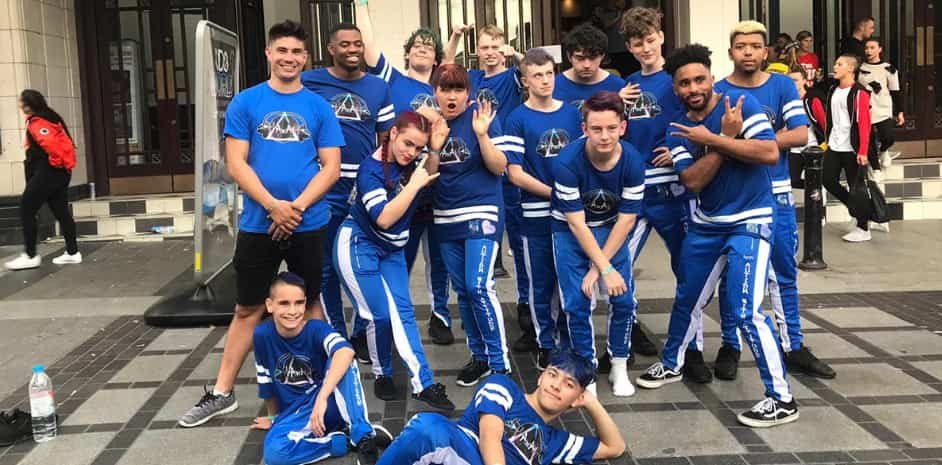
The world of competitive dance is often associated with intense training, fierce competition, and high-pressure performances. However, every so often a story emerges that reminds us that success is about much more than trophies and rankings. One such story is that of Autism with Attitude (AwA), a remarkable street dance collective that has captured attention across the United Kingdom through determination, talent, and an unwavering belief in inclusion.
Made up entirely of young people on the autism spectrum, the dance team achieved a historic breakthrough at the South East Street Dance Championships, becoming the first special educational needs (SEN) team to compete at the event and secure a place on the podium.
Their success not only highlighted their incredible dancing abilities but also demonstrated how inclusive opportunities can empower autistic performers to thrive in mainstream environments. In this article, I’ll explore their inspiring journey, the impact of their achievement, and why stories like this matter for autism awareness and disability representation.
Read More: Meet the Judges of Hit Talent Contest Factor Essex
The Rise of Autism with Attitude
Autism with Attitude, often referred to as AwA, was formed by students from Hillingdon Manor School in West London. The group emerged through a passion for dance and a desire to provide autistic young people with a creative outlet where they could express themselves, build confidence, and develop social skills.
Unlike many traditional dance teams, AwA was created specifically to support adolescents on the autism spectrum while encouraging participation in mainstream performing arts.
What makes their journey particularly noteworthy is that they entered competitions typically dominated by established mainstream dance teams and immediately demonstrated that talent knows no boundaries.
A Historic Moment at the South East Street Dance Championships
The South East Street Dance Championships marked a turning point for the team.
Competing for the very first time at a regional level, Autism with Attitude faced experienced dancers from across the region. Expectations were understandably cautious, as the special educational needs dance community remains relatively underrepresented within competitive street dance.
Yet the team delivered an outstanding performance that exceeded expectations.
Their routine earned them an impressive third-place finish in their category, making history as the first SEN dance team ever to achieve a top-three placement at the event.
For many observers, this accomplishment represented much more than a competition result. It was proof that inclusive dance programs can compete successfully on mainstream stages when given equal opportunities.
Reimagining What Success Looks Like
One of the most inspiring aspects of the team’s achievement is how it challenges outdated assumptions surrounding autism and disability.
In my experience researching stories involving neurodiversity and inclusive education, many barriers are often created by expectations rather than abilities. Autism with Attitude’s success serves as a powerful reminder that autistic individuals can excel in highly competitive environments when they receive the right support and encouragement.
Their performance demonstrated:
- Strong teamwork and coordination
- Physical fitness and endurance
- Creative expression through movement
- Dedication to training and improvement
- Confidence under competitive pressure
These qualities are valuable in dance and equally important in everyday life.
Qualification for International Competition
The team’s success at the South East Street Dance Championships opened even bigger doors.
By finishing among the top performers, Autism with Attitude secured qualification for prestigious international events organized by the United Dance Organisations (UDO).
This achievement earned the dancers opportunities to compete at:
UDO European Championships in Germany
Their qualification for the European Championships gave the team the chance to represent the United Kingdom on an international platform. For many of the dancers, this would be their first experience traveling abroad and competing against talented performers from across Europe.
UDO World Championships
The team’s momentum continued beyond regional competition, ultimately leading to participation opportunities at the UDO World Championships, placing them among elite dancers from around the world.
For a group that began as a school-based initiative, reaching the international stage was a remarkable accomplishment.
The Vision of Anna Kennedy OBE
Much of the team’s development has been supported by Anna Kennedy OBE, founder of Autisms Got Talent and a long-time advocate for autism awareness and inclusion.
Kennedy has consistently emphasized that the dancers are more than competitors. They are role models who help challenge stereotypes and encourage society to rethink perceptions of autism.
According to Kennedy, the group’s achievements have had a significant impact on mainstream audiences by showing what autistic young people can accomplish when barriers are removed.
Her commitment to promoting opportunities for autistic individuals has helped countless families recognize the importance of creative arts, performing arts, and community engagement.
How Dance Benefits Young People on the Autism Spectrum
One reason this story resonates with so many people is the growing recognition of dance as a powerful developmental tool.
Dance offers numerous benefits for autistic children and teenagers, including:
Improved Communication Skills
Movement provides an alternative method of expression, allowing individuals to communicate emotions and ideas without relying solely on verbal language.
Increased Confidence
Performing in front of audiences helps build self-esteem and encourages participants to step outside their comfort zones.
Better Social Interaction
Group rehearsals promote teamwork, cooperation, and meaningful peer relationships.
Emotional Expression
Dance can help autistic individuals process feelings and express emotions in a healthy, creative way.
Physical Health Benefits
Regular dance training supports balance, coordination, strength, and cardiovascular fitness.
Many educators and therapists increasingly recognize these advantages, making inclusive dance programs more important than ever.
A Life-Changing Opportunity Beyond Dance
One lesser-known aspect of the team’s journey involved preparations for international travel.
Many members of Autism with Attitude had never flown on an airplane before. Recognizing this challenge, Autisms Got Talent worked alongside Heathrow Airport staff to create a supportive learning experience.
The students were given opportunities to familiarize themselves with airport procedures, helping reduce anxiety and build confidence ahead of their trip.
This initiative demonstrated how community partnerships can remove obstacles and ensure that young people with special educational needs feel prepared for new experiences.
From Dance Championships to National Television
The team’s story did not end with regional competitions.
Following their success in the competitive dance world, Autism with Attitude gained wider recognition through appearances on the BBC television program The Greatest Dancer.
Their participation introduced millions of viewers to their inspiring message of inclusion, perseverance, and self-belief.
The exposure further highlighted the importance of representation in mainstream media and showcased the incredible talents of autistic performers.
Why Inclusive Competitions Matter
The success of Autism with Attitude highlights a broader conversation about accessibility and representation within sports and performing arts.
Historically, many competitive environments have lacked meaningful opportunities for individuals with disabilities or special educational needs.
Inclusive competitions help:
- Break down social barriers
- Encourage diversity
- Promote equal opportunities
- Increase autism awareness
- Celebrate individual strengths
- Foster community engagement
When talented performers are judged based on ability rather than labels, everyone benefits.
Lessons We Can Learn from Autism with Attitude
There are several important lessons from this inspiring story:
Talent Exists Everywhere
Potential is not limited by diagnosis, background, or circumstance.
Support Systems Matter
Schools, charities, families, and community organizations all play a critical role in helping young people succeed.
Representation Creates Change
Visible success stories challenge stereotypes and encourage greater inclusion.
Confidence Comes Through Opportunity
Many individuals simply need a chance to demonstrate what they can achieve.
Quick Takeaways
- Autism with Attitude became the first SEN dance team to place in the top three at the South East Street Dance Championships.
- The team consists of autistic students from Hillingdon Manor School.
- Their third-place finish secured qualification for UDO European and World Championships.
- Anna Kennedy OBE and Autisms Got Talent played a significant role in supporting their journey.
- The dancers later gained wider recognition through BBC’s The Greatest Dancer.
- Their success continues to inspire autism advocacy and inclusive performing arts initiatives across the UK.
Frequently Asked Questions
Who are Autism with Attitude?
Autism with Attitude is a street dance team made up entirely of young people on the autism spectrum. The group was formed by students from Hillingdon Manor School and promotes inclusion through competitive dance.
What did Autism with Attitude achieve?
The team secured a historic third-place finish at the South East Street Dance Championships, becoming the first special educational needs team to achieve a top-three placement at the event.
Why is their success important?
Their achievement demonstrates the value of inclusive opportunities, challenges stereotypes about autism, and encourages greater representation of neurodiverse individuals in mainstream competitions and performing arts.
Final Thoughts
Stories like Autism with Attitude’s remind us that progress often begins when people are given the chance to participate, compete, and be seen. Their journey from a school-based dance group to international competition and national television recognition showcases the incredible potential that exists within the autism community.
Having researched many stories involving inclusion and youth development, I find this one particularly powerful because it combines talent, determination, community support, and genuine social impact. The dancers didn’t simply win a trophy they helped redefine what is possible for future generations of autistic performers.
What are your thoughts on inclusive dance programs and autism representation in mainstream competitions? Feel free to share your perspective and join the conversation.


 Elsa Addison