 Mark Jones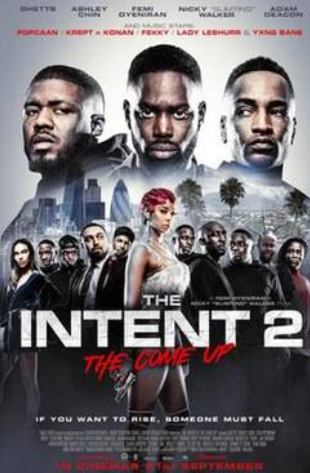
When I first looked into The Intent 2: The Come Up, I expected another UK urban crime film. Instead, I found a much bigger story. The cast and creators spoke about Black British culture, grime music, Jamaican influence, diversity in film, and the future of independent filmmaking. After reading the full GRM interview, it became clear that this project is about more than just entertainment.
The original The Intent sold out cinemas, reached number three on the iTunes chart, and secured a worldwide Netflix deal. Those achievements gave the creators confidence to think bigger for the sequel. In this article, I’ll explain the most important insights from the interview in a simple and easy-to-read way.
What Is The Intent 2: The Come Up?
The Intent 2: The Come Up is actually a prequel to the first movie. Instead of continuing the story, it goes back and explores how the characters became involved in street life.
The film focuses on Jay, played by Ghetts. Jay has big ambitions and wants to build his own organized crime network. Along the way, he faces pressure from Beverley, played by Sharon Duncan-Brewster, and receives opportunities from Mustafa, played by Adam Deacon. Meanwhile, an undercover Met Police officer named Gunz, played by Dylan Duffus, secretly monitors the crew.
One thing I found interesting is how Femi Oyeniran described the two films. He said the first movie was like a mixtape, while the second is like an album. That perfectly explains the larger scale of the sequel.
The Island Records Partnership
A major talking point in the interview was the collaboration between Island Records and Vertigo Releasing.
According to Nicky Slimting Walker, the filmmakers wanted a partner that truly understood Black British culture. Traditional film companies often struggled to understand the audience for UK urban cinema. A music label, however, already works closely with artists and communities connected to the culture.
Alex/Twin explained that the partnership helped with both marketing and the soundtrack. Because Island already had strong connections within the grime and urban music scene, they were able to curate music that matched the film’s energy.
In my experience, when a film’s soundtrack feels authentic, it can completely change how audiences connect with the story. That seems to be exactly what the team wanted here.
Why Jamaica Was So Important
One of the biggest changes from the first film is the move beyond London.
The creators explained that many UK urban films have traditionally been set on council estates with a very limited visual style. By filming in Jamaica, they wanted to show a broader and more aspirational world.
Femi Oyeniran said the team wanted to highlight the strong connection between Caribbean culture and London street culture. Nicky Slimting Walker added that grime culture, clashing, and battling all have roots in Jamaican traditions.
That connection makes the Jamaica storyline feel natural rather than forced. The film still focuses on London, but it also explores where many cultural influences originated.
Ghetts Takes the Lead
One of the boldest decisions was casting Ghetts as the main character.
At first, even some of the creators had doubts because he was known primarily as a rapper. However, Femi Oyeniran strongly believed he could carry the role.
The interview even compared his performance to what Tupac Shakur achieved in Juice. That is a huge comparison, but the filmmakers argued that artists with real-life experience can bring a level of authenticity that audiences immediately recognize.
After reading their comments, I can understand why they took the risk. The entire project is built around authenticity, so choosing someone deeply connected to the culture fits the overall vision.
Popcaan’s Role in the Film
Another exciting addition is Popcaan.
He plays the don, a respected and powerful figure who controls his area in Jamaica. The London crew travels to Jamaica and becomes involved in situations connected to his world.
The filmmakers said Popcaan was perfect for the role because he is already widely respected in Jamaican culture. His presence adds credibility and helps bridge the London and Jamaica storylines.
New Faces and Returning Cast Members
The sequel brings back many familiar faces while adding several new artists and actors.
Notable appearances include:
- Lady Leshurr
- Yxng Bane
- Paigey Cakey
- Cashtastic
- Teddy Bruckshot from Belly
The return of Adam Deacon was also treated as a major moment. Many fans remember him from Kidulthood and Anuvahood.
Authenticity Was the Priority
A theme that appeared throughout the interview was authentic representation.
Ghetts said he often watches films that claim to represent Black British culture but use slang and dialogue that people would never actually say. The creators wanted to avoid that problem.
To achieve this, they gave actors freedom to speak naturally and worked with artists such as Fekky to ensure the language felt real.
They also addressed sensitive topics like faith and street life. The filmmakers argued that people involved in crime can still have religious beliefs, and ignoring that reality would make the story less authentic.
A Bigger Budget and Bigger Action
The first film was made independently with limited resources. The sequel, however, benefits from a much larger budget.
According to the cast, the production included:
- Car flips
- Large action sequences
- Extensive Jamaica shoots
- More elaborate weapons and stunt work
Femi Oyeniran explained that they wanted to make an action thriller, not a documentary. He compared the entertainment approach to films like Fast & Furious.
I think this is an important point. Black British films are often expected to be social studies, but the creators wanted audiences to simply enjoy the movie as well.
Why This Film Matters
Beyond the plot and action, The Intent 2: The Come Up represents a significant moment for Black British cinema.
The success of the original film proved that there is a large audience for authentic urban storytelling. The creators believe that digital platforms, streaming services, and social media have made it possible for Black filmmakers and musicians to reach audiences directly without relying entirely on traditional gatekeepers.
In my view, that may be the most important message from the entire interview. The cast and creators are not just promoting a movie they are showing that Black British stories can succeed commercially while staying true to the culture that inspired them.
Final Thoughts
After researching the full GRM interview, I came away with a much deeper appreciation for The Intent 2: The Come Up. The film combines grime culture, Jamaican influence, action-thriller storytelling, and authentic Black British representation in a way that feels ambitious and genuine.
The partnership between Island Records and Vertigo Releasing, the casting of Ghetts, the addition of Popcaan, and the decision to film in Jamaica all point toward a project that aims to push UK urban cinema forward.
If the first film was the mixtape, as the creators described it, then The Intent 2: The Come Up was clearly designed to be the album bigger, bolder, and much more ambitious.
And honestly, after reading everything the cast had to say, I can see why so many fans were excited about it.


 Michael Nelson