 Mark Jones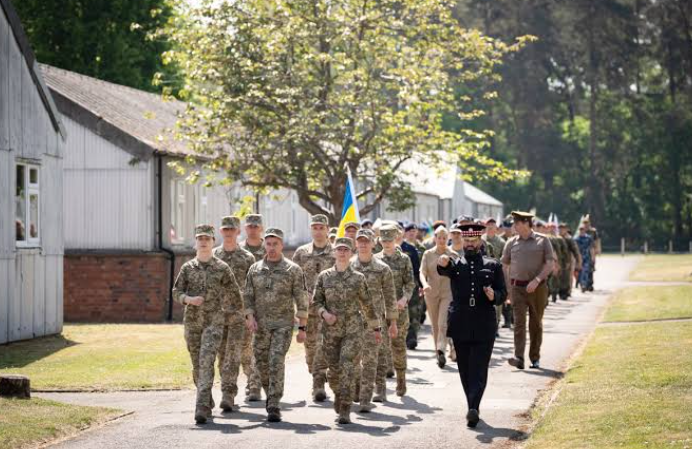
Overview
If you are referring to the major protests, such as the widely attended “Unite the Kingdom” rallies or Rolling Thunder UK veteran demonstrations, please let me know:
- Which specific veteran you are looking for (for example, a political figure or a campaign leader).
- The date or name of the march you have in mind.
I can then provide accurate information about their background, location, and the specific cause they are supporting.
Introduction
Every year, thousands of people gather in London to remember the courage and sacrifice of the men and women who have served their country. Among the most meaningful moments is seeing military veterans proudly march together through Whitehall toward the Cenotaph, one of the United Kingdom’s most recognized war memorials.
In my experience researching military remembrance events, these occasions represent far more than ceremonial traditions. They provide an opportunity for veterans to reconnect with former comrades, reflect on their years of service, and remind the public that military life often continues to shape people long after they leave the Armed Forces.
For many former soldiers, participating in a London remembrance march is also a personal milestone. It symbolizes resilience, recovery, and the continued support available through organizations dedicated to helping veterans rebuild their lives.
Read More: Stabbed Met Officers Win National Police Bravery Award
Why the London March Matters
The annual remembrance march in London is one of the country’s most important military commemorations.
Held near the Cenotaph in Whitehall, the event brings together:
- Former Army personnel
- Royal Navy veterans
- Royal Air Force veterans
- Serving military members
- Veteran charities
- Families of service personnel
- Members of the public
The march is about honouring those who served, remembering those who never returned, and showing appreciation for the sacrifices made by military families.
Watching veterans march together creates a powerful reminder that service extends beyond the battlefield.
The Importance of the Cenotaph
Located in Whitehall, the Cenotaph has become the central location for national remembrance ceremonies in the UK.
Each year it serves as the focal point for events that include:
- Wreath-laying ceremonies
- Moments of silence
- Military parades
- Veteran marches
- Public tributes
The monument represents collective remembrance rather than individual recognition, allowing people from all backgrounds to pay their respects.
A Veteran’s Journey Beyond Military Service
Leaving military life can be one of the biggest transitions a person experiences.
While some veterans move comfortably into civilian careers, others face challenges that are less visible.
These may include:
- Adjusting to civilian routines
- Finding new employment
- Coping with physical injuries
- Managing psychological trauma
- Rebuilding confidence
- Establishing a new identity outside military service
In my experience reading veteran stories and speaking with former service members through published interviews, one common theme appears repeatedly: asking for help often becomes the hardest step.
Understanding PTSD and Depression Among Veterans
Mental health has become a much more open topic within the military community.
Conditions such as Post-Traumatic Stress Disorder (PTSD), depression, anxiety, and operational stress injuries can affect veterans long after deployments have ended.
Experiences during overseas operations, including deployments to Afghanistan, may expose service personnel to situations that leave lasting emotional effects.
Common symptoms can include:
- Difficulty sleeping
- Flashbacks
- Anxiety
- Depression
- Mood changes
- Social withdrawal
- Difficulty concentrating
These experiences are often described as “invisible injuries” because they cannot always be seen by others.
One of the most important messages shared by veterans is simple: someone can appear physically well while still facing significant mental health challenges.
Breaking the Stigma Around Invisible Injuries
Thankfully, attitudes have changed considerably over the past decade.
Many former military personnel now openly discuss their mental health journeys, helping others realize they are not alone.
Greater awareness has encouraged:
- Earlier diagnosis
- Better treatment options
- Improved family support
- Increased public understanding
- More conversations within the Armed Forces community
Sharing personal experiences helps remove the stigma that once prevented many veterans from seeking professional assistance.
The Role of Veteran Charities
No veteran should feel they must face challenges alone.
Several respected organizations continue supporting ex-service personnel across the UK.
Help for Heroes
Help for Heroes provides practical and emotional support for veterans recovering from physical and psychological injuries.
Its services may include:
- Mental health support
- Recovery programmes
- Welfare advice
- Sports and rehabilitation activities
- Financial guidance
- Family assistance
The charity has helped thousands of former service members rebuild confidence and reconnect with their communities.
Royal British Legion
The Royal British Legion remains one of Britain’s best-known military charities.
Its work extends well beyond organising remembrance activities.
The charity also offers:
- Welfare support
- Financial assistance
- Employment guidance
- Housing advice
- Recovery services
- Community events for veterans
Its invitation to veterans to participate in remembrance events highlights the importance of keeping the Armed Forces community connected.
Why Marching Together Makes a Difference
To many observers, a military parade may appear to be simply a ceremonial event.
For veterans, however, it often represents something much deeper.
Marching alongside former comrades can provide:
- A sense of belonging
- Shared understanding
- Emotional support
- Pride in military service
- Recognition from the public
- Opportunities to reconnect
These experiences remind veterans that their service continues to be valued.
Lessons We Can All Learn
Military remembrance is not only about history.
It also teaches valuable lessons that apply to everyday life.
These include:
- Resilience during difficult times
- Supporting people facing invisible struggles
- Respecting different life experiences
- Building stronger communities
- Asking for help without shame
One of the greatest strengths anyone can demonstrate is recognising when support is needed.
How the Public Can Support Veterans
You do not need a military background to make a positive difference.
Here are a few meaningful ways to support the veteran community:
- Attend remembrance events respectfully.
- Learn about military history.
- Donate to trusted veteran charities.
- Volunteer at community events.
- Listen to veterans’ experiences without judgment.
- Encourage conversations about mental health.
Even small actions can help veterans feel appreciated and supported.
Frequently Asked Questions
Why do veterans march in London?
Veterans participate to honour those who served, remember fallen comrades, and demonstrate continued unity within the Armed Forces community.
What is the Cenotaph?
The Cenotaph is the United Kingdom’s national war memorial located in Whitehall, London. It serves as the focal point for major remembrance ceremonies.
Why is mental health awareness important for veterans?
Military service can expose individuals to traumatic experiences that may affect their wellbeing long after they leave the Armed Forces. Early support and open conversations improve recovery outcomes.
What support do veteran charities provide?
Organizations such as Help for Heroes and the Royal British Legion offer welfare advice, mental health services, rehabilitation programmes, employment guidance, financial assistance, and community support.
Can anyone attend remembrance events?
Many remembrance ceremonies include areas where members of the public can respectfully observe and pay tribute alongside veterans and military families.
Final Thoughts
The sight of an Army veteran joining a London remembrance march represents much more than participation in an annual ceremony. It reflects courage, commitment, and the enduring bond shared by those who have served.
In my experience, the most inspiring aspect of these events is not the uniforms or the military traditions—it is the reminder that recovery, resilience, and community continue long after active service ends. By recognising the contributions of veterans, supporting mental health awareness, and standing behind organisations that provide practical assistance, we help ensure that service personnel know their sacrifices are remembered and appreciated.
Whether you attend a remembrance event, learn more about veteran experiences, or simply take time to thank someone who has served, every gesture contributes to a culture of respect and support. The London march is a powerful symbol of remembrance, but its message extends throughout the year: honour the past, support the present, and help build a better future for those who have dedicated part of their lives to serving others.