
 Elsa Addison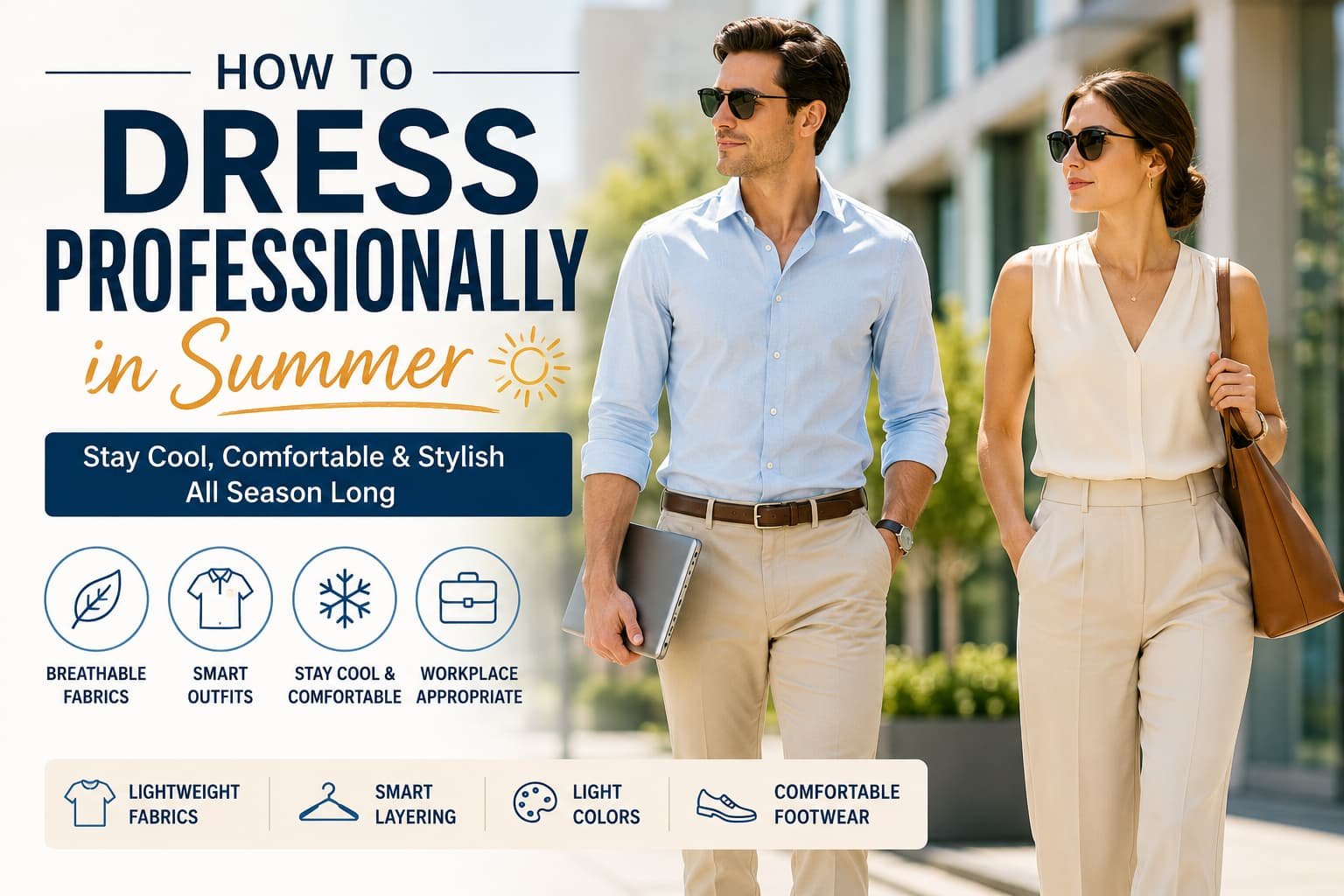
Summer can be one of the most challenging seasons for maintaining a professional appearance. When temperatures rise, the temptation to prioritize comfort over workplace dress standards becomes very real. I’ve been there myself, standing in front of my closet on a scorching morning, wondering how I could survive an eight-hour workday without looking like I just came from the beach.
A few years ago, I attended an important client meeting during a heatwave. I wore a heavy blazer because I thought professional meant formal at all costs. By lunchtime, I was uncomfortable, distracted, and regretting my decision. That experience pushed me to research better ways to dress professionally in summer without sacrificing comfort or credibility.
The good news is that professional summer dressing doesn’t require suffering through excessive heat. With the right fabrics, colors, layering techniques, and wardrobe choices, you can stay cool while looking polished and confident.
In this guide, I’ll share practical strategies, real-world examples, and proven tips I’ve learned through experience and extensive research to help you master professional summer style.
Why Professional Summer Dressing Matters
First impressions still matter, even when it’s 95°F outside.
Studies consistently show that appearance influences perceptions of professionalism, competence, and trustworthiness. While workplace dress codes have become more relaxed in many industries, looking put together remains important for meetings, presentations, networking events, and client interactions.
The challenge is finding the balance between:
- Professionalism
- Comfort
- Confidence
- Practicality
In my experience, the best summer work outfits achieve all four.
See More: How to Style Cargo Pants for Men
Understanding Summer Professional Dress Codes
Before updating your wardrobe, it’s important to understand your workplace expectations.
Corporate Environments
Traditional corporate settings often require:
- Tailored trousers
- Dress shirts
- Structured dresses
- Blazers for meetings
- Closed-toe shoes
Even during summer, professionalism typically takes priority.
Business Casual Workplaces
Business casual environments offer more flexibility.
Examples include:
- Polo shirts
- Lightweight chinos
- Professional blouses
- Smart dresses
- Loafers
This dress code is often easier to adapt for hot weather.
Creative and Remote Workplaces
Many modern workplaces allow:
- Smart casual outfits
- Relaxed silhouettes
- Fashion-forward pieces
- Minimal layering
However, professional standards still apply during video calls and client meetings.
Choose the Right Fabrics First
If there’s one lesson I’ve learned, it’s that fabric matters more than almost anything else.
I was skeptical at first, but after replacing several synthetic work shirts with breathable alternatives, the difference was remarkable.
Best Summer Fabrics for Professional Wear
Cotton
Cotton remains one of the most reliable options.
Benefits include:
- Breathability
- Comfort
- Moisture absorption
- Easy maintenance
Brands like and
offer excellent lightweight cotton office wear.
Linen
Linen is often considered the king of summer fabrics.
Advantages:
- Exceptional airflow
- Lightweight feel
- Natural cooling effect
The only downside is wrinkling, but modern linen blends help reduce this issue.
Performance Fabrics
Many professional brands now use moisture-wicking technology.
Examples include:
- Stretch performance shirts
- Travel-friendly dress pants
- Wrinkle-resistant fabrics
Companies like and have built entire product lines around professional clothing designed for comfort.
The Best Colors for Professional Summer Outfits
Color plays a bigger role than most people realize.
Dark colors absorb heat, while lighter shades reflect sunlight.
Smart Summer Color Choices
Consider:
- Light blue
- White
- Beige
- Soft gray
- Khaki
- Pale pink
- Sage green
These colors look polished while helping you stay cooler.
Colors to Use Carefully
Dark colors aren’t off-limits, but use them strategically:
- Navy remains professional year-round.
- Charcoal works well indoors.
- Black can feel heavy during extreme heat.
I often reserve darker pieces for air-conditioned offices and lighter options for commuting.
How Men Can Dress Professionally in Summer
Summer Work Outfit Formula
A combination that consistently works:
- Lightweight dress shirt
- Breathable chinos
- Leather loafers
- Minimal accessories
Shirt Recommendations
Look for:
- Lightweight cotton shirts
- Oxford shirts
- Performance dress shirts
Avoid overly thick materials that trap heat.
Summer Suit Strategies
For important meetings:
- Choose unlined or partially lined jackets.
- Opt for tropical wool.
- Select lighter colors like navy or light gray.
One of the biggest mistakes I made early in my career was assuming all suits were equally suitable for summer. They aren’t.
Modern lightweight suits feel dramatically different from traditional heavy versions.
How Women Can Dress Professionally in Summer
Professional Summer Staples
Consider building outfits around:
- Midi dresses
- Tailored trousers
- Lightweight blouses
- Pencil skirts
- Structured tops
Dress Smart with Sleeveless Options
Many workplaces now accept sleeveless professional tops.
The key is choosing styles with:
- Appropriate necklines
- Structured cuts
- Professional fabrics
Adding a lightweight blazer for meetings creates versatility.
Footwear Considerations
Choose:
- Loafers
- Closed-toe flats
- Professional sandals (if permitted)
- Low heels
Comfort becomes especially important when commuting in hot weather.
Master the Art of Summer Layering
Layering sounds counterintuitive during summer, but it’s essential.
Many offices keep air conditioning surprisingly cold.
Effective Layering Pieces
Keep nearby:
- Lightweight blazer
- Thin cardigan
- Unstructured jacket
I often carry a lightweight layer specifically for conference rooms and client meetings.
Common Summer Workplace Mistakes to Avoid
Wearing Clothing That’s Too Casual
Heat isn’t an excuse for:
- Flip-flops
- Tank tops
- Athletic shorts
- Beachwear
Always consider workplace expectations.
Ignoring Fit
Oversized clothing may seem cooler but often appears sloppy.
Instead:
- Choose breathable fabrics.
- Prioritize proper tailoring.
- Maintain clean lines.
Overusing Heavy Accessories
Large accessories can add unnecessary discomfort.
Simplify with:
- Minimal jewelry
- Lightweight watches
- Functional bags
Professional Summer Outfit Examples
Example 1: Client Meeting
- Light blue dress shirt
- Gray lightweight trousers
- Brown loafers
- Unstructured blazer
Example 2: Business Casual Office
- Polo shirt
- Chinos
- Leather sneakers (if allowed)
Example 3: Professional Women’s Outfit
- Sleeveless midi dress
- Lightweight blazer
- Closed-toe flats
Each outfit balances comfort and professionalism.
Tools and Products That Help During Summer
Over time, I’ve discovered several practical additions that make a noticeable difference.
Portable Garment Steamer
Useful for:
- Linen clothing
- Business travel
- Quick touch-ups
Sweat-Proof Undershirts
Brands such as:
- Thompson Tee
- Ejis
offer moisture-management solutions for professionals.
Cooling Accessories
Helpful options include:
- Reusable water bottles
- Portable fans
- Cooling towels for commuting
While these aren’t fashion items, they can significantly improve comfort during hot days.
How to Build a Professional Summer Capsule Wardrobe
A capsule wardrobe simplifies daily decisions.
Essential Pieces
Start with:
- 3–5 lightweight shirts or blouses
- 2–3 pairs of tailored trousers
- 1 lightweight blazer
- 1 professional dress (if applicable)
- 2 pairs of versatile shoes
This creates dozens of outfit combinations without overcrowding your closet.
In my experience, fewer high-quality pieces outperform a large collection of lower-quality clothing.
Quick Tips for Dressing Professionally in Summer
- Choose breathable fabrics over synthetic materials.
- Prioritize fit over trends.
- Wear lighter colors whenever possible.
- Keep a light layer for air-conditioned offices.
- Invest in quality shoes.
- Stay hydrated throughout the day.
- Plan outfits the night before.
Small adjustments often create the biggest improvements.
Frequently Asked Questions
1. Can I wear short sleeves in a professional office?
Yes, in many workplaces. Choose structured, well-fitted short-sleeve shirts or blouses that maintain a polished appearance. Always consider your company’s dress code and client expectations.
2. Is linen appropriate for professional settings?
Absolutely. Modern linen and linen-blend garments can look sophisticated and professional. Choose tailored pieces and keep them neatly pressed to avoid an overly casual appearance.
3. How do I stay professional during extreme heat?
Focus on lightweight fabrics, breathable footwear, moisture-wicking undershirts, and minimal layering. Prioritize comfort without compromising workplace standards.
Final Thoughts:
Learning how to dress professionally in summer transformed my workdays. Instead of feeling overheated and distracted, I now focus on choosing breathable fabrics, versatile pieces, and practical layers that work with the season rather than against it.
The biggest takeaway is simple: professional dressing isn’t about enduring discomfort. It’s about making smart choices that help you look polished, feel confident, and stay comfortable throughout the day.
When you combine quality fabrics, thoughtful outfit planning, and workplace-appropriate styling, summer becomes much easier to navigate. Start with a few strategic wardrobe upgrades, and you’ll quickly discover that looking professional in hot weather is entirely achievable.


 Mark Jones