 Mark Jones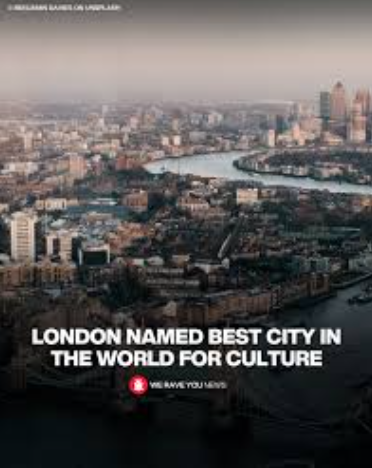
London has once again earned international recognition, this time being named the best city in the world for culture. The accolade highlights the city’s remarkable blend of world-class museums, iconic theatres, vibrant music venues, literary festivals, art galleries, and thriving creative industries.
For anyone who has spent time exploring London’s cultural landscape, the recognition may not come as a surprise. From the historic stages of the West End to contemporary exhibitions at Tate Modern, the city offers an unmatched variety of experiences that appeal to residents and visitors alike.
In this article, I’ll explore why London secured the top cultural ranking, what makes its creative ecosystem so unique, how it compares with other global cities such as Paris and New York, and why accessibility remains one of its greatest strengths.
Overview
London has been recognized as one of the world’s leading cultural destinations and was selected as the best UK city in a major nationwide study. The city’s reputation extends beyond culture, with global rankings consistently placing it among the top-performing urban centers for prosperity, livability, and overall appeal.
Read More: Author Brian Foster Eyes World Record
A major international assessment conducted by Resonance Consultancy named London the World’s Best City for 2026, marking another year at the top of the rankings. The evaluation combined economic indicators with feedback gathered from more than 21,000 participants across over 30 countries.
London achieved exceptional scores across several categories. It ranked first for prosperity thanks to strong economic performance, employment opportunities, educational excellence, and business investment. It also performed highly in measures related to quality of life, walkability, green spaces, public transport, and social experiences.
The city has also received recognition as a global cultural capital. Surveys praised London’s accessible museums, renowned West End theatres, grassroots music venues, art galleries, and diverse creative communities. Additional accolades include being recognized as one of the world’s leading destinations for students due to its concentration of top universities and career opportunities.
Why London Was Ranked the Best City for Culture
The ranking was compiled by Time Out, which surveyed more than 24,000 residents worldwide while also gathering opinions from cultural experts, editors, and industry professionals.
The study assessed a variety of cultural factors, including:
- Theatre and performing arts
- Museums and galleries
- Literary festivals
- Live music venues
- Comedy clubs
- Cultural accessibility
- Affordability of experiences
- Community engagement in the arts
London emerged as the clear winner because of both the quality and diversity of its cultural offerings.
In my experience researching major cultural destinations, very few cities manage to combine historic institutions and grassroots creativity as effectively as London.
London’s Cultural Scene: From World-Class Institutions to Hidden Gems
One of London’s greatest strengths is its variety.
On the same day, visitors can admire contemporary masterpieces at Tate Modern, attend a West End theatre performance, discover independent art exhibitions in Peckham, and finish the evening at a local comedy show or live music venue.
This balance between established institutions and emerging creative talent creates a cultural ecosystem that constantly evolves.
Museums and Galleries
London is home to some of the world’s most respected cultural institutions.
What makes these venues particularly impressive is their accessibility. Many museums and galleries offer free admission, allowing people from all backgrounds to engage with art, history, and culture.
According to cultural leaders, this commitment to public access remains one of the primary reasons London continues to thrive as a cultural capital.
Theatre and Performing Arts
The city’s theatre scene remains a major attraction for residents and international visitors.
From blockbuster productions in the West End to experimental performances in smaller venues, London offers opportunities for every type of theatre enthusiast.
The presence of institutions such as the National Opera further strengthens the city’s reputation for artistic excellence.
What Cultural Leaders Say About London’s Success
Justine Simons on London’s Cultural Identity
Justine Simons, Deputy Mayor for Culture and the Creative Industries, described culture as being part of London’s DNA.
Her comments emphasize how deeply creativity is woven into the city’s identity.
Culture contributes significantly to London’s economy while helping attract millions of tourists every year. Beyond financial benefits, cultural experiences help create vibrant communities and foster social connections.
Lewis Corner on Accessibility
Lewis Corner, Head of Content UK at Time Out, highlighted the importance of accessibility within the city’s cultural landscape.
Survey findings revealed that a large majority of London residents praised the affordability and accessibility of cultural experiences.
This demonstrates how investment in public institutions can deliver lasting benefits for local communities.
The Voices of London’s Creative Community
A city’s cultural reputation is ultimately built by the people who create, perform, and share their talents.
Ginger Johnson’s Perspective
London-based drag performer Ginger Johnson praised the city’s unique blend of high-profile institutions and grassroots creativity.
The ability to move between prestigious venues and independent performance spaces creates an energy that few cities can replicate.
This contrast between polished productions and underground creativity is a defining feature of London’s cultural identity.
Sherika Sherard’s Experience
Busker Sherika Sherard described London as a place where individuals can discover new experiences and find their creative voice.
Street performers play an important role in shaping the city’s atmosphere, transforming public spaces into stages for artistic expression.
Walking through London often means encountering live music, spontaneous performances, and creative interactions that enrich everyday life.
How London Compares with Paris and New York
While London secured first place, Paris and New York also ranked among the world’s top cultural destinations.
Paris: A Timeless Cultural Icon
Paris remains synonymous with artistic heritage, architecture, literature, and fine arts.
The French capital continues to attract visitors seeking classic cultural experiences and historical significance.
New York: A Global Entertainment Hub
New York’s cultural strengths include Broadway, diverse music scenes, museums, and a vibrant creative economy.
The city’s energy and innovation make it a strong competitor on the global stage.
Why London Came Out on Top
London’s advantage lies in its ability to combine:
- Historic landmarks
- Contemporary creativity
- Accessible institutions
- Cultural diversity
- Strong public investment
- Thriving creative industries
This combination creates a uniquely balanced cultural environment.
Beyond Culture: London’s Broader Global Success
London’s cultural recognition aligns with several other major achievements.
World’s Best City for 2026
Resonance Consultancy ranked London as the world’s best city, recognizing its economic strength, infrastructure, educational opportunities, and overall appeal.
Prosperity
London secured the top global position for prosperity, supported by:
- Strong GDP performance
- Employment opportunities
- International investment
- Educational excellence
Lovability
The city earned exceptionally high scores for nightlife, dining experiences, social environments, and entertainment options.
Livability
London’s extensive transportation network, walkable neighbourhoods, public parks, and green spaces contributed to its strong livability ranking.
The Elizabeth Line was frequently highlighted as an example of modern infrastructure improving urban mobility.
Common Questions About London’s Cultural Appeal
Many people wonder what separates London from other major cities.
Is London expensive for culture lovers?
Not necessarily. Many of the city’s museums, galleries, and public events are free, making culture accessible to a broad audience.
Can visitors experience culture beyond tourist attractions?
Absolutely. Exploring neighbourhoods such as Peckham often reveals independent galleries, live music venues, and community arts projects.
Is London suitable for students and young creatives?
Yes. The city consistently ranks among the world’s best destinations for students due to its universities, networking opportunities, and creative industries.
Quick Tips for Experiencing London’s Culture
- Visit both major institutions and independent venues.
- Explore neighbourhood arts scenes beyond central London.
- Attend literary festivals and local performances.
- Take advantage of free museum admission.
- Support grassroots artists and performers.
- Explore live music venues across different districts.
Final Thoughts
London’s recognition as the best city in the world for culture reflects decades of investment in arts, creativity, public institutions, and community engagement.
Having researched global cultural destinations extensively, I believe London’s greatest strength is its accessibility. The city successfully combines prestigious institutions such as Tate Modern and the National Opera with grassroots music venues, local artists, street performers, and independent creative spaces.
Whether you’re interested in theatre, visual arts, literature, live music, comedy, or cultural tourism, London offers experiences that appeal to every interest and budget.
As global cities continue competing for cultural influence, London remains a benchmark for how creativity, diversity, accessibility, and innovation can coexist.
Have you visited London’s museums, theatres, or music venues? Share your experiences and thoughts in the comments. I’d love to hear which cultural attractions impressed you most.
Frequently Asked Questions
Why was London named the best city in the world for culture?
London received the ranking due to its extensive cultural offerings, including museums, galleries, theatres, festivals, live music venues, and accessible public arts institutions.
What makes London’s cultural scene unique?
The city combines globally recognized institutions with independent creative spaces, offering both traditional and contemporary cultural experiences.
Is London still considered one of the world’s best cities overall?
Yes. Multiple international studies continue to rank London among the world’s leading cities for culture, prosperity, livability, education, and tourism.