 Mark Jones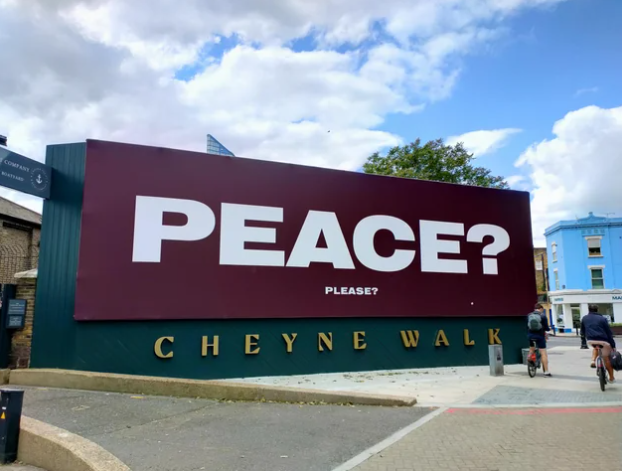
In recent years, I’ve noticed something important about modern cities: people no longer judge them only by skyscrapers, tourism, or business opportunities. Increasingly, cities are being recognized for how they bring communities together, respond to tragedy, and create safer, more inclusive environments for future generations.
That is exactly why London taking its place as an Official City for Peace feels significant far beyond football or ceremonial recognition.
The announcement, made during the inaugural Football for Peace Ball, represented more than a glamorous evening at the historic Guildhall. It highlighted how sport, diplomacy, youth engagement, and local communities can work together to rebuild unity during challenging times.
In my experience researching peacebuilding initiatives and community-led projects, the most successful movements are the ones that combine public participation with cultural influence. London’s partnership with Football for Peace is a strong example of exactly that.
Overview
International Cities of Peace – Love of Community. Love of Peace.
London takes its place as an “Official City for Peace” through international initiatives and grassroots community programs focused on unity, inclusion, and cultural cooperation. The recognition gained major attention during the Football for Peace global initiative, supported by football clubs, diplomats, and civic leaders.
Across London, several organizations actively support peacebuilding and social cohesion:
- The London Peace Centre in East London provides educational resources and community discussions around peace and conflict awareness.
- The Peace Alliance hosts leadership and peace awards celebrating people reducing violence and strengthening families.
- City of Peace Community Church runs outreach initiatives promoting safe and inclusive environments.
- Grassroots groups across London organize “walk and talk” sessions, youth engagement programs, and reflective retreats encouraging reconciliation and dialogue.
See More: New Voice in Pop Painting in London
These efforts continue under the wider leadership and support of civic institutions including the Greater London Authority and local organizations committed to social harmony.
What Does “Official City for Peace” Actually Mean?
When many people hear the phrase “City for Peace,” they imagine a symbolic title with little real-world impact. But after looking deeper into the initiative, I found the concept is much more practical.
The recognition focuses on several goals:
- Encouraging youth engagement
- Promoting cultural understanding
- Reducing social division
- Using sport as a diplomatic tool
- Supporting local community cohesion
- Creating long-term peace education programs
Unlike temporary campaigns, the Football for Peace movement aimed to establish a continuing two-year programme involving London communities, football clubs, and young people.
The timing was especially meaningful. London, like many global cities, had experienced difficult social tensions and tragic events during the previous 18 months. The initiative sought to create healing through positive collaboration rather than division.
The Role of Football Diplomacy in Modern Society
One thing I found fascinating while researching this story is how powerful football diplomacy has become globally.
Football is one of the few universal languages capable of bringing together people from different religions, cultures, and political backgrounds. Whether someone supports a local club or follows international tournaments, the emotional connection is immediate.
The Football for Peace Ball embraced this idea fully with its “Football Diplomacy” theme.
Instead of treating football purely as entertainment, the event positioned it as a platform for:
- Humanitarian work
- Youth empowerment
- International cooperation
- Social integration
- Community rebuilding
In my opinion, this approach works because football naturally creates shared experiences. When communities participate together, barriers often begin to disappear.
Inside the Football for Peace Ball at Guildhall
The inaugural gala took place on Friday, 17 November 2017, at the iconic Guildhall in London.
The atmosphere was designed to combine prestige with purpose.
The black-tie event welcomed:
- Diplomats
- Football legends
- Celebrities
- Corporate leaders
- Charity supporters
- Community advocates
The evening was supported by the City of London and hosted by Prince Ali Bin Al Hussein.
From what I observed, the organizers carefully balanced glamour with substance. While the event featured high-profile guests and royal patronage, the central focus remained community impact and youth peacebuilding.
That distinction matters because audiences today are increasingly skeptical of symbolic charity events that lack meaningful outcomes.
London Football Clubs Unite for a Common Cause
Another important aspect of the initiative involved four professional London football clubs partnering within the City for Peace London project.
Although many football clubs are fierce rivals on the pitch, projects like this demonstrate how sport can transcend competition when addressing larger social issues.
This cooperation helped reinforce several important ideas:
1. Community Before Rivalry
Football rivalry creates excitement, but social harmony requires collaboration.
2. Shared Responsibility
Major clubs influence millions of fans and young people. Their participation sends a strong message about inclusion and unity.
3. Local Engagement Matters
Peacebuilding works best when local organizations actively participate rather than simply endorse campaigns from a distance.
In my experience, community initiatives succeed when influential institutions genuinely engage with residents instead of treating outreach as a marketing exercise.
Honouring Footballers and Their Mothers
One of the most unique aspects of the event was its decision to honour footballers alongside their mothers for their humanitarian contributions.
This approach added a deeply human element to the ceremony.
Among those recognized were:
- Ronaldinho and his mother Dona Miguelina Eloi Assis dos Santos
- Didier Drogba and his mother Clotilde Drogba
I personally found this part especially meaningful because it shifted attention away from celebrity culture and toward the values shaping influential public figures.
Too often, sports awards focus solely on athletic achievement. Here, philanthropy, compassion, and social impact were treated as equally important.
That sends a powerful message to younger generations.
Why Youth Peace Programs Matter
One of the biggest takeaways from the Football for Peace initiative is the importance of investing in youth programs before social problems escalate.
The City for Peace London youth project aimed to provide:
- Educational opportunities
- Leadership development
- Conflict resolution awareness
- Cultural exchange activities
- Positive community engagement
From what I’ve researched, successful youth peace initiatives generally share three characteristics:
Accessible Participation
Programs must be open and welcoming to diverse communities.
Long-Term Commitment
One-off workshops rarely create lasting change.
Trusted Mentorship
Young people respond best when guided by respected community leaders, athletes, and educators.
This is where football becomes particularly effective. Athletes often serve as relatable role models capable of inspiring participation from younger audiences.
Grassroots Peacebuilding Across London
Beyond major events and football partnerships, London’s peace movement also depends heavily on local grassroots action.
Across neighborhoods in East London and beyond, organizations regularly host:
- Community discussions
- Reflective urban retreats
- Walk-and-talk wellness sessions
- Interfaith dialogue events
- Youth mentoring programs
The strength of these smaller initiatives is their consistency.
Large ceremonies may create headlines, but day-to-day community engagement is what truly strengthens social cohesion over time.
I’ve noticed that the most resilient cities are usually the ones where residents actively participate in community life instead of relying entirely on institutions.
Lessons Other Cities Can Learn from London
London’s recognition as an Official City for Peace offers valuable lessons for cities worldwide.
Use Sport as a Bridge
Sport creates emotional connections that politics often cannot.
Celebrate Cultural Diversity
Inclusive initiatives strengthen social trust.
Invest in Young People
Youth engagement is essential for long-term peacebuilding.
Support Grassroots Organizations
Local leaders often understand community needs best.
Combine Symbolism With Action
Recognition matters most when backed by real programs and measurable goals.
These principles apply far beyond London or football.
The Growing Global Importance of Peace Initiatives
As cities become more multicultural and interconnected, peacebuilding initiatives are becoming increasingly relevant.
Today’s urban challenges include:
- Social polarization
- Youth disconnection
- Community fragmentation
- Online misinformation
- Economic inequality
Programs like Football for Peace attempt to address these issues through collaboration, education, and positive public engagement.
In my opinion, their biggest strength lies in making peace feel practical rather than abstract.
Instead of presenting peace as a political slogan, they frame it as something communities actively build together through conversation, inclusion, and shared experiences.
Conclusion
London taking its place as an Official City for Peace represents more than an honorary title.
It reflects a broader effort to strengthen unity, encourage youth leadership, and use football diplomacy as a force for positive social impact.
From the prestigious Football for Peace Ball at Guildhall to grassroots peace initiatives across local neighborhoods, the movement demonstrates how cities can respond to division with collaboration and hope.
In my experience, the most meaningful community initiatives are the ones that combine symbolism with real action. London’s peace movement appears to be doing exactly that — bringing together football clubs, civic leaders, charities, and ordinary residents around a shared vision of inclusion and understanding.
As more cities search for ways to build stronger communities in uncertain times, London’s example may become increasingly important not only for sport, but for society as a whole.