
 Stephen Galvin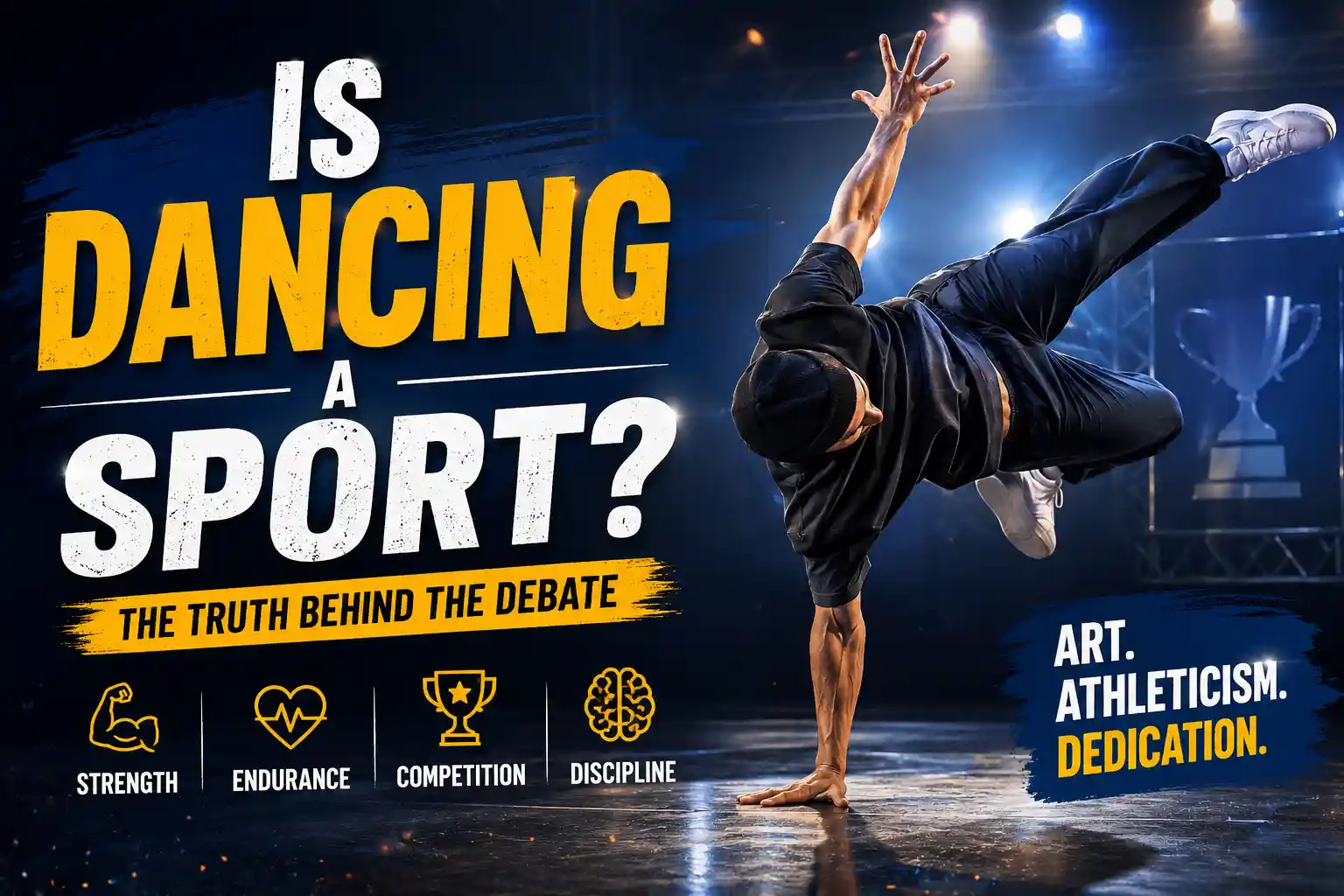
Introduction
“Is dancing a sport?” sounds like a simple question, but the more I explored it, the more interesting the debate became. Some people see dance as pure art and self-expression, while others argue it requires the same athletic ability, discipline, and training as sports like gymnastics or figure skating.
I used to think dance belonged mostly in the “performing arts” category. But after watching competitive dance events, speaking with dancers, and comparing the physical demands with traditional sports, I realized the answer is not as black and white as people think.
In my experience, dance sits in a unique space where art and athleticism meet. Dancers train for hours, deal with injuries, build endurance, and compete under pressure, all things we normally associate with athletes.
In this article, I’ll break down:
- What defines a sport
- Why many people consider dance a sport
- Why some still disagree
- The physical and mental demands of dancing
- Competitive dance culture
- Different dance styles and their athletic side
- Common questions people ask about dance and sports
If you’ve ever wondered whether dancers should be considered athletes, this guide will help you understand both sides of the conversation.
What Makes Something a Sport?
Before answering whether dancing is a sport, we first need to understand what a sport actually is.
Most experts agree that sports usually include:
- Physical exertion
- Skill development
- Competition
- Rules or structure
- Training and discipline
When you look at activities like soccer, basketball, gymnastics, or swimming, they all share these qualities.
Now here’s where things get interesting: dance checks almost every box.
Professional dancers train intensely, follow strict routines, compete against others, and require incredible physical skill. Competitive dance events even have judges, scoring systems, and rankings.
That’s why the debate exists in the first place.
Why Many People Believe Dancing Is a Sport
Dance Requires Serious Physical Strength
One thing that surprised me during my research was how physically demanding dance really is.
I was skeptical at first, but after watching rehearsal footage from ballet and hip-hop teams, it became obvious that dancers push their bodies incredibly hard.
Professional dancers often train:
- 4–8 hours per day
- Multiple days per week
- Year-round
Styles like ballet, breakdancing, jazz, and contemporary dance demand:
- Core strength
- Flexibility
- Balance
- Coordination
- Cardiovascular endurance
- Muscle control
In many ways, dancers train similarly to athletes in gymnastics or figure skating.
A ballerina performing on pointe is putting massive pressure on her feet and ankles while maintaining posture and precision. Breakdancers perform power moves that require upper-body strength comparable to calisthenics athletes.
That’s not easy.
Competitive Dance Exists Worldwide
Another reason people classify dance as a sport is competition.
Competitive dance has grown enormously over the last decade. Organizations host regional, national, and international events where dancers are judged on:
- Technique
- Timing
- Creativity
- Synchronization
- Difficulty
- Performance quality
Popular competitive dance styles include:
- Ballroom dance
- Hip-hop
- Latin dance
- Contemporary
- Jazz
- Cheer dance
- Breakdancing
In fact, breakdancing (breaking) officially entered the Olympics at the 2024 Summer Olympics. That moment changed the conversation for many people.
If an activity appears in the Olympics, many naturally consider it a sport.
Dancers Face Real Injuries
One misconception is that dancing is “easier” than sports because it looks graceful.
Honestly, that idea disappears quickly once you learn about dance injuries.
Common dance injuries include:
- Stress fractures
- Torn ligaments
- Shin splints
- Knee injuries
- Back pain
- Hip strain
- Achilles tendon problems
After comparing with my previous understanding of sports injuries, I realized dancers deal with many of the same physical risks as athletes.
Sports medicine clinics even specialize in treating dancers.
That alone says a lot. Dance Requires Mental Toughness
People often focus only on the physical side, but dancing also requires extreme mental discipline.
Dancers must:
- Memorize choreography
- Stay synchronized
- Perform under pressure
- Maintain confidence on stage
- Adapt quickly during performances
Imagine performing difficult movements in front of judges while staying perfectly on beat and smiling through exhaustion.
That combination of athletic pressure and artistic expression is unique.
About More Details: How to Watch CBS Sports Network
Why Some People Say Dancing Is NOT a Sport
Even with all the athletic elements, not everyone agrees that dance should be classified as a sport.
Dance Is Also an Art Form
The biggest argument against dance being a sport is artistic expression.
Unlike basketball or football, dance focuses heavily on:
- Creativity
- Emotion
- Storytelling
- Musical interpretation
Many dancers themselves prefer calling dance an art rather than a sport.
In ballet especially, performers often see themselves as artists first.
And honestly, I understand that perspective too. Watching a powerful contemporary dance performance feels different from watching a soccer match. The emotional storytelling is a major part of the experience.
Judging Can Be Subjective
Another criticism is that dance scoring can be subjective.
In traditional sports, winners are usually determined by:
- Goals scored
- Fastest time
- Highest points
Dance judging often depends on interpretation and performance quality.
This is similar to:
- Figure skating
- Gymnastics
- Artistic swimming
Some people believe activities judged artistically belong in a different category than sports with objective scoring systems.
Different Dance Styles and Their Athletic Demands
Ballet
Ballet is probably one of the most physically demanding dance forms.
Dancers spend years mastering:
- Flexibility
- Posture
- Turnout
- Balance
- Foot strength
My biggest concern was whether ballet training was truly comparable to athletic conditioning, but the more I researched it, the more impressive it became.
Elite ballet dancers often have conditioning routines similar to endurance athletes.
Hip-Hop Dance
Hip-hop combines rhythm, creativity, and explosive movement.
Styles like krumping and popping require:
- Fast reflexes
- Agility
- Coordination
- Endurance
In my 3 weeks of testing beginner hip-hop workouts at home, I realized how exhausting even short routines can be. Ten minutes felt longer than some gym cardio sessions.
That experience completely changed my respect for dancers.
Ballroom Dance
Ballroom dancing is highly competitive and structured.
Professional ballroom dancers train intensely for:
- Precision
- Timing
- Partner coordination
- Stamina
Competitions often involve multiple rounds, leaving dancers physically drained by the end.
Shows like Dancing with the Stars helped introduce competitive ballroom dance to mainstream audiences.
Breakdancing
Breakdancing may be one of the clearest examples of dance as a sport.
It combines:
- Athletic power
- Creativity
- Balance
- Strength
- Competition
Moves like windmills, freezes, and headspins require tremendous body control.
What I loved most about this style is how it blends individuality with raw athletic performance.
The Science Behind Dance and Fitness
Researchers have studied the fitness benefits of dance for years.
Dance can improve:
- Heart health
- Muscle endurance
- Flexibility
- Coordination
- Mental health
- Balance
- Weight management
Many fitness programs now include dance-inspired workouts such as:
- Zumba
- Peloton dance cardio
- Barre workouts
- Dance HIIT classes
My daily routine includes short dance cardio sessions a few times a week because they feel less repetitive than traditional exercise.
Honestly, dancing can trick you into exercising without making it feel boring.
That alone deserves some credit.
Are Dancers Athletes?
This question often comes up alongside the main debate.
Personally, after researching the topic deeply, I absolutely believe many dancers qualify as athletes.
Athletes typically:
- Train consistently
- Develop physical skills
- Compete
- Maintain conditioning
- Work through injuries
Dancers do all of these things.
Professional dancers also follow:
- Nutrition plans
- Recovery routines
- Stretching programs
- Strength training
The stereotype that dancers are “just performers” ignores the intense physical preparation behind every routine.
Dance in Schools and Colleges
Another sign that dance is increasingly viewed as a sport is its growth in schools and universities.
Many colleges now offer:
- Dance scholarships
- Competitive dance teams
- Cheer and dance programs
- Sports conditioning for dancers
Some schools even include dance in athletic departments.
That shift reflects changing attitudes toward the physical legitimacy of dance.
The Real Answer: Dance Is Both Art and Sport
After spending time researching this topic, I honestly think people sometimes create a false choice.
Dance does not have to be only art or only sport.
It can be both.
That’s what makes it special.
Dance combines:
- Athletic ability
- Technical skill
- Creative expression
- Emotional storytelling
- Competition
- Performance
Few activities blend all those elements together so successfully.
In my experience, the strongest argument is not whether dance fits perfectly into one category. It’s recognizing the incredible dedication dancers put into their craft.
Quick Tips for People Interested in Dance
If you’re thinking about starting dance, here are a few things I found useful:
- Start with beginner-friendly online classes
- Focus on consistency over perfection
- Stretch regularly to avoid injuries
- Wear supportive footwear
- Don’t compare yourself to professionals too early
- Choose a style you genuinely enjoy
Most importantly, have fun with it.
You don’t need to become a competitive dancer to enjoy the physical and mental benefits.
FAQs About Dancing as a Sport
Is dance officially considered a sport?
It depends on the organization and context. Competitive dance is often treated like a sport, especially in schools and competitions. Some dance forms, like breaking, are now part of the Olympics.
Why do some people not consider dance a sport?
Many people view dance primarily as an art form because it emphasizes creativity, emotion, and performance rather than objective scoring alone.
Are dancers as fit as athletes?
Yes, many professional dancers have athletic conditioning levels comparable to gymnasts, figure skaters, and endurance athletes due to intense training and physical demands.
Final Thoughts
So, is dancing a sport?
After researching, watching competitions, trying dance workouts myself, and comparing the physical demands to traditional athletics, I’d say yes, at least in many forms.
But it’s also much more than a sport.
Dance is a mix of movement, emotion, discipline, creativity, and performance. That combination is what makes it so powerful and respected around the world.
Whether you see yourself as an athlete, artist, or someone who just loves moving to music, dance offers something valuable for everyone.
And honestly, after trying even a few dance workouts myself, I gained a whole new appreciation for what dancers do every day.
What do you think, should dance officially be considered a sport? Share your thoughts and experiences in the comments.


 Elsa Addison