 Mark Jones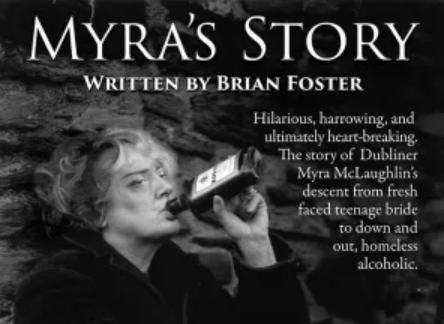
The world of theatre has always been a place where creativity meets community, but few playwrights have attempted to unite performers across continents for a single cause. That is exactly what Derry-based author and playwright Brian Foster set out to achieve with his ambitious world-record initiative centered around his acclaimed one-woman play, Myra’s Story.
In this article, I’ll explore who Brian Foster is, why Myra’s Story gained international recognition, how his record-breaking theatre project worked, and why the initiative continues to be remembered as a powerful example of social impact theatre. Whether you’re a theatre enthusiast, playwright, actor, director, or someone interested in charitable fundraising through the arts, there is a lot to learn from this remarkable story.
Who Is Brian Foster?
Brian Foster is a respected playwright, author, poet, and storyteller from Derry, Ireland. Over the years, he has earned recognition for producing compelling works that explore real-life social challenges while remaining deeply human and engaging.
While many readers know him through his award-winning play Myra’s Story, Foster has also gained attention for his poetry and short-story collections, including Blackened White, which became a popular title among readers interested in contemporary Irish literature.
His writing often focuses on people living on the margins of society, giving a voice to individuals whose stories are frequently overlooked.
See More: You Can Still Experience the New Voice in Pop Painting in London
It is worth noting that Brian Foster the playwright should not be confused with B. Brian Foster, the American sociologist and researcher associated with studies of Black communities in the rural American South and co-author of Ghosts of Segregation. The two individuals work in entirely different fields.
Understanding the Success of Myra’s Story
At the center of Brian Foster’s world-record ambition was Myra’s Story, an award-winning one-woman play that captivated audiences around the world.
The play follows Myra McLaughlin, a homeless Dublin street drinker navigating a difficult day in her life. While the story is set in Dublin, its themes resonate universally.
One reason the production became so successful is that homelessness, addiction, social isolation, and personal struggle are challenges faced by communities everywhere. Whether someone lives in London, New York, Melbourne, Toronto, or elsewhere, the emotional realities portrayed in the play feel familiar.
Why Audiences Connect With Myra
The character of Myra is both heartbreaking and humorous.
The play combines elements of dark comedy and tragedy, allowing audiences to laugh, reflect, and empathize all within a single performance. This balance has helped make the production popular among professional theatres, community groups, and independent performers.
In my experience researching successful one-person productions, the strongest plays are often those that create an intimate connection between performer and audience. Myra’s Story achieves exactly that.
The Ambitious World Record Attempt
Rather than simply touring the play, Brian Foster envisioned something far more ambitious.
His goal was to establish a new world record for the highest number of simultaneous performances of a single play occurring across multiple countries on the same night.
The idea was simple but innovative.
Theatres, amateur groups, actors, producers, and directors from around the world would stage Myra’s Story simultaneously, creating a truly global theatrical event.
Breaking the Existing Record
At the time, the existing benchmark belonged to Stagecoach Theatre.
In 2008, Stagecoach successfully coordinated 66 simultaneous performances of Glad Rags across the United Kingdom, the United States, and Germany. The event not only established a notable theatre record but also generated approximately £40,000 for charitable causes.
Brian Foster believed that Myra’s Story could surpass that achievement while also creating a larger charitable impact.
How the Global Theatre Initiative Worked
One of the most innovative aspects of the project was its accessibility.
Instead of charging licensing fees, Brian Foster offered free performance rights to participating organizations and individuals worldwide.
This approach encouraged widespread participation and removed financial barriers that often prevent smaller theatre groups from becoming involved in major productions.
Free Performance Rights for Participants
Professional companies, amateur theatre groups, actors, directors, and producers were invited to participate.
Those who joined the initiative received access to the script and permission to stage performances under specific guidelines.
Charitable Giving Requirement
Participants agreed to donate at least 20% of their net ticket revenue to organizations supporting:
- Homelessness services
- Alcoholism recovery programs
- Drug abuse support initiatives
- Community outreach charities
This requirement transformed the world-record attempt into a significant fundraising campaign with meaningful social benefits.
Coordinated Global Performance Date
To qualify for the record attempt, participants needed to schedule one of their performances on the designated global event date.
The synchronized productions created a worldwide celebration of theatre while highlighting important social issues.
Why the Project Was About More Than a Record
Although headlines focused on the world-record goal, the initiative’s deeper purpose was raising awareness.
Homelessness, addiction, and social exclusion affect millions of people globally. By encouraging theatre communities to support local charities, Foster connected artistic expression with practical community action.
I was initially skeptical when reading about large-scale record attempts because many seem focused solely on publicity. However, what stands out here is that the charitable component was woven into the project from the beginning.
The record was important, but the social impact was arguably even more significant.
The Universal Message Behind Myra’s Story
One reason Myra’s Story continues to attract audiences is its universal relevance.
The play reminds viewers that homelessness is not confined to one city or country.
A character like Myra could easily be found on the streets of:
- Dublin
- London
- New York
- Toronto
- Melbourne
The circumstances may differ, but the underlying human experiences remain remarkably similar.
This universality helped make the play an ideal candidate for a global theatre collaboration.
The Role of Theatre in Social Awareness
Theatre has long been a powerful tool for raising awareness about social issues.
Unlike reports or statistics, live performances allow audiences to emotionally connect with real-world challenges.
Benefits of Social Impact Theatre
Encourages Empathy
Audiences experience issues through personal stories rather than abstract numbers.
Sparks Community Discussion
Performances often lead to meaningful conversations about local challenges and solutions.
Supports Fundraising Efforts
Ticket sales can directly contribute to organizations providing assistance and support.
Creates Lasting Awareness
Stories tend to remain in people’s minds longer than facts alone.
Lessons Independent Playwrights Can Learn From Brian Foster
Brian Foster’s initiative offers valuable insights for aspiring writers and theatre creators.
Think Beyond Traditional Audiences
By engaging theatre communities worldwide, Foster dramatically expanded the play’s reach.
Connect Art With Purpose
Audiences often respond strongly when creative projects support meaningful causes.
Build Collaborative Networks
The project succeeded because it welcomed participation from professionals and amateurs alike.
Remove Barriers to Participation
Offering free performance rights encouraged greater involvement and increased impact.
Quick Takeaways
- Brian Foster is a Derry-based playwright known for Myra’s Story.
- The play follows homeless Dublin street drinker Myra McLaughlin.
- Foster launched a global initiative to break the record for simultaneous performances of a single play.
- Participants received free performance rights.
- Theatre groups donated at least 20% of net ticket revenue to charities.
- The initiative supported homelessness, alcoholism, and drug abuse organizations.
- The project combined theatre, fundraising, and social awareness on an international scale.
Frequently Asked Questions
What is Myra’s Story about?
Myra’s Story is an award-winning one-woman drama that follows the experiences of a homeless Dublin woman struggling with alcoholism while navigating daily life.
Why was Brian Foster attempting a world record?
He wanted to organize the largest number of simultaneous performances of a single play while raising money and awareness for homelessness and addiction-related charities.
Did participants have to pay for performance rights?
No. Brian Foster offered free performance rights to qualifying theatre groups, actors, and producers who agreed to support charitable causes and participate in the coordinated event.
Final Thoughts
Brian Foster’s world-record initiative demonstrates how theatre can become much more than entertainment. By combining storytelling, fundraising, community engagement, and international collaboration, he transformed Myra’s Story into a global movement.
As someone who regularly studies successful arts and culture initiatives, I find this project particularly fascinating because it proves that creative ideas can have real-world impact. A single play evolved into an international effort that brought together performers, charities, and audiences for a shared purpose.
The story also serves as a reminder that great theatre is not just about what happens on stage. Sometimes its greatest achievement is inspiring change beyond the curtain.
Have you ever attended a theatre production that changed the way you think about a social issue? Share your thoughts and experiences in the comments below.