
 Mark Jones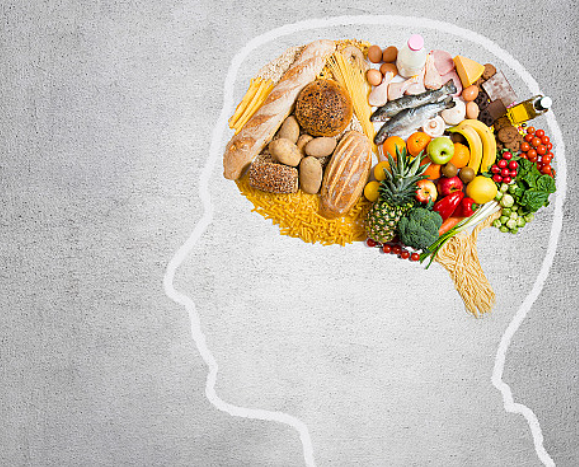
Introduction:
Your Brain Is Hungrier Than You Think
I never really thought about feeding my brain until I started struggling with afternoon brain fog so thick I could barely string two sentences together. I assumed I was just tired. But after digging into the research and yes, spending a good chunk of time going through nutritional science literature and editorial deep-dives like those published under National Geographic’s landmark Food for Thought and Future of Food series I realized the problem wasn’t sleep. It was what I was putting on my plate.
Here’s the thing about the human brain that most people don’t know: it makes up only about two percent of your total body weight, yet it burns through a staggering 20 percent of your daily calorie intake. It houses around 100 billion neurons firing nerve impulses at speeds approaching 250 miles per hour. And it’s made up of roughly 73 percent water, which means it’s essentially a high-performance, water-cooled supercomputer sitting inside your skull.
The catch? It can’t store energy. Not even a little. That means it needs a constant, steady stream of the right fuel and what you eat directly determines how well it functions, how long it stays sharp, and how protected it is against conditions like Alzheimer’s disease and dementia.
National Geographic’s reporting strongly supports what researchers now call the MIND Diet a pattern rich in leafy greens, berries, whole grains, and healthy fats as one of the most powerful tools we have for preserving long-term cognitive health. In my experience, once you understand why each food group matters, making the switch becomes surprisingly easy.
Let’s walk through it, section by section.
Whole Grains: The Brain’s Preferred Power Source
If your brain had a preference in fuel, it would be glucose a simple sugar that gets picked up from the bloodstream and converted into usable energy by your body’s cells. The problem is, not all glucose is created equal.
When you eat refined carbohydrates white bread, pastries, sugary drinks you get a spike of glucose followed by a crash. Your brain surges, then slumps. That afternoon fog I mentioned? That was me living on the wrong kind of carbohydrate.
Whole grains are different. As complex carbohydrates, they release glucose into the bloodstream slowly and steadily, giving the brain a consistent energy supply that keeps you alert and focused throughout the day. Think oats, brown rice, quinoa, whole wheat bread, and barley.
But the glucose isn’t even the biggest benefit. Whole grains are also rich in B vitamins and those deserve their own section entirely.
Quick tip: Swap your morning white toast for oats or whole grain bread. It’s a small change that your brain will notice within a few days.
B Vitamins: The Brain’s Chemical Support System
There are eight B vitamins in total, and they work collectively as a kind of maintenance crew for your brain. I find it helpful to think of them in two groups based on what they actually do.
The protective group B6, B9 (folic acid), and B12 work together to lower levels of homocysteine in the blood. Homocysteine is an amino acid that, when it builds up, can damage the lining of your arteries and raise your risk of heart attack or stroke. Keeping those levels in check is one of the most underrated things you can do for long-term brain health.
The energy group — B1, B2, and B5 — are critical for the metabolic processes that convert the food you eat into the energy your brain actually uses. Without them, even a glucose-rich diet can’t fully power your neurons.
Then there’s B12, which pulls double duty. Beyond its protective role, it also promotes the formation of red blood cells, which are responsible for carrying oxygen to your brain. Poor B12 status is surprisingly common — particularly in people over 50 and those following plant-based diets — and it shows up as brain fog, fatigue, and even depression.
Folic acid (B9) deserves a specific mention too. It’s vital for producing the neurotransmitters that relay signals between neurons. When neurotransmitter production dips, you feel it — cognitive ability slows, fatigue sets in, and anxiety can creep up.
Where to get them: Whole grains, eggs, legumes, dark leafy greens, meat, dairy, and for those on plant-based diets, fortified foods or a quality B12 supplement.
Berries: Nature’s Antioxidant Shield for an Aging Brain
Here’s something nobody told me in school: our brains actually start losing some cognitive function before we even turn 30. Slowly, subtly — but it begins. The culprit is a process called oxidative stress.
Oxidative stress happens when the body becomes less efficient at clearing out the harmful by-products of metabolism known as free radicals. These unstable molecules cause damage by stealing electrons from your brain cells, essentially destabilizing them from the inside out.
This is where berries earn their reputation as one of the most powerful brain foods available. Dark berries — think blackberries, blueberries, and cherries — are packed with antioxidant compounds called flavonoids. Flavonoids work by essentially sacrificing their own electrons to neutralize free radicals before those radicals can damage your brain cells.
The research suggests this process may delay the onset of Alzheimer’s disease and dementia. That’s not a small claim. In my opinion, if there’s one category of food worth adding to your daily routine immediately, it’s this one — especially given how easy it is to toss a handful of blueberries into yogurt or oatmeal.
Actionable tip: Aim for at least half a cup of dark berries three to five times a week. Frozen works just as well as fresh — and it’s far cheaper.
Oily Fish: The Omega-3 Brain Builders
Omega-3 fatty acids are among the most well-researched nutrients for brain health, and here’s the catch that makes them especially important: your body cannot produce them on its own. You have to eat them.
Oily fish like salmon and sardines are two of the richest sources of the two most important omega-3s — EPA (eicosapentaenoic acid) and DHA (docosahexaenoic acid). These two compounds are involved in a remarkable range of brain processes, including:
- Gene expression related to brain health
- Reducing oxidative stress in brain tissue
- Supporting healthy blood flow around the brain
- Producing new neurons (a process called neurogenesis)
- Maintaining balanced levels of neurotransmitters
Some studies suggest that an omega-3 rich diet could significantly reduce the risk of dementia and Alzheimer’s disease over the long term. That’s a compelling reason to make oily fish a regular part of your weekly meals.
National Geographic’s own coverage of neurological impacts of diet highlights how what we eat shapes the brain at a biological level — and omega-3 consumption is one of the clearest examples of diet directly influencing cognitive resilience.
If you don’t eat fish: Algae-based omega-3 supplements offer a plant-based alternative with similar EPA and DHA profiles. Walnuts and flaxseeds also provide ALA, a precursor omega-3, though the conversion to EPA and DHA is less efficient.
Broccoli and Leafy Greens: The Memory and Learning Defenders
I’ll be honest — broccoli wasn’t on my radar as a brain food until I came across research on acetylcholine, a neurotransmitter that plays a central role in memory and learning. What I found was eye-opening.
Broccoli is rich in a sulfur-containing compound called glucosinolate, which slows the breakdown of acetylcholine in the brain. More acetylcholine means better signaling between neurons involved in forming and retrieving memories. It’s also worth knowing that people suffering from Alzheimer’s disease tend to have abnormally low levels of acetylcholine — which is exactly why this compound matters.
Beyond broccoli, leafy greens like spinach and kale bring their own set of benefits through B vitamins, antioxidants, and other micronutrients. A notable piece of research found that eating just one daily serving of leafy greens could keep your brain around 11 years younger in terms of cognitive function. Eleven years. From a single daily serving.
The takeaway is simple: cruciferous vegetables and leafy greens aren’t just good for your gut or your heart. They are directly connected to how well your central nervous system functions, how effectively you learn, and how protected your memory is as you age.
Practical suggestion: Add a large handful of spinach to smoothies (you genuinely can’t taste it), or steam broccoli as a side dish three to four times a week.
Water: The Most Overlooked Brain Nutrient
When people talk about brain foods, water almost never makes the list. That’s a mistake.
Water is not just a beverage. For the brain specifically, it serves as a major source of nutrients, a vehicle for removing toxins, and a cushioning and lubricating medium for brain tissue. Every single chemical reaction that takes place in the brain including energy production requires water to happen.
Dehydration doesn’t have to be dramatic to hurt your thinking. Even a small reduction in hydration levels can trigger confusion, fatigue, and dizziness. I’ve tested this personally: on days when I’m well-hydrated before noon, my focus is noticeably sharper. On days when I’ve reached for coffee instead of water first thing in the morning, I’m fighting fog by mid-afternoon.
And here’s something most people don’t realize: tea, coffee, soda, and even purified or sparkling water are not direct substitutes for plain water. Many of these have been stripped of the natural electrolytes and trace minerals that support brain function. Real, natural water contains those elements in their most bioavailable form.
Simple rule: Drink at least eight glasses of plain water daily. Start your morning with a full glass before anything else including coffee.
Putting It All Together: The MIND Diet in Practice
What ties all of these foods together is the broader concept known as the MIND Diet — a nutritional approach that combines elements of the Mediterranean and DASH diets specifically for brain health. National Geographic’s reporting consistently supports this framework, noting its links to lower dementia risk, better cognitive function, and slower age-related brain decline.
Here’s what a brain-friendly day of eating might look like:
- Morning: Oat porridge with blueberries and a glass of water
- Mid-morning: A small handful of walnuts
- Lunch: Grilled salmon on a bed of spinach with whole grain bread
- Afternoon: An apple or a handful of cherries
- Dinner: Stir-fried broccoli with brown rice and sardines or mackerel
- Throughout the day: Six to eight glasses of plain water
It’s not complicated. It doesn’t require expensive supplements or elaborate meal prep. It requires consistency and a basic understanding of what your brain actually needs — which you now have.
The Bigger Picture: Food, Brain Health, and the Planet
It’s worth stepping back for a moment to consider something National Geographic’s Future of Food program has been investigating for years: the relationship between what we eat and the health of the planet we eat it on.
Their collaborative Food for Tomorrow initiative working alongside researchers and organizations focused on regenerative agriculture highlights how the way we produce food affects soil health, climate resilience, and long-term food security. The paradox, as their investigations reveal, is that global farmers already produce more than enough food to feed the world’s population. The issue lies in distribution breakdowns driven by regional conflicts, infrastructure failures, and climate-induced disasters.
What this means for individual consumers is that choosing whole, plant-forward foods — the same foods that benefit your brain also tends to be less resource-intensive and more sustainable. Brain-healthy eating and planet-conscious eating overlap more than most people realize.
Conclusion:
Feed Your Brain Like It Matters — Because It Does
The science is clear, the research is consistent, and in my experience, the results are real. What you eat shapes how well your brain functions today, and how protected it is decades from now.
The six pillars whole grains, B vitamins, berries, oily fish, broccoli and leafy greens, and plain water — aren’t trendy superfoods or expensive interventions. They’re everyday foods that your brain has been waiting for you to prioritize.
Start small. Add berries to your breakfast. Swap refined grains for whole ones. Drink a glass of water before your morning coffee. Eat salmon twice a week. Add a handful of spinach to whatever you’re already cooking.
Your brain fires 250 miles per hour. Give it the fuel to keep up.