 Mark Jones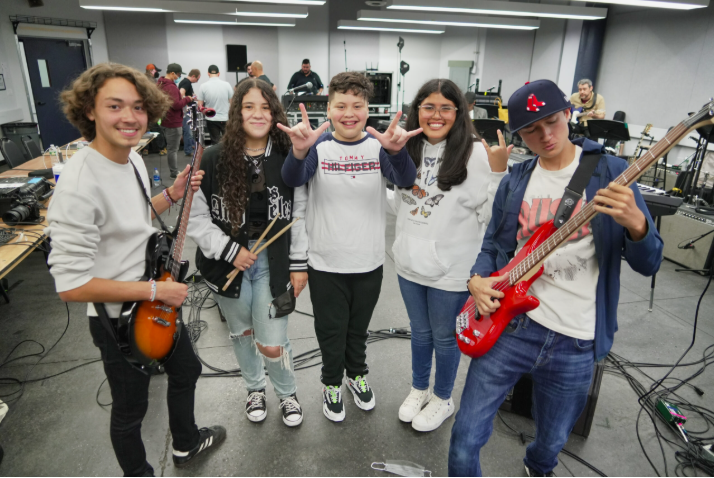
Overview
Churchill Music, a UK-based arts and education organization, commissioned a documentary titled “How Music Helps Us Learn” to highlight the neuroscientific and academic benefits of music education in schools.
The film demonstrates that learning an instrument improves language acquisition, numerical problem-solving, and executive function. Viewers can watch the documentary through the Churchill Music official website and related video platforms.
Just as music can empower individuals and build confidence, stories about Autism and Inspiring Others Through Music show how creative expression helps people develop communication, emotional connection, and lifelong learning skills.
Key Takeaways from the Documentary
- Children involved in formal musical education often show stronger cognitive capacity and academic performance.
- Real classroom examples from London and Bristol primary schools demonstrate how music supports both educational achievement and student wellbeing.
- The documentary also supports broader educational campaigns focused on creativity, emotional development, and brain-based learning.
- Churchill Music promotes additional initiatives such as “Power of Music” workshops designed for Year 5 pupils.
Discover More
- Explore the research through Churchill Music
- Watch the documentary through the organization’s educational channels
- Learn about music workshops and school outreach programs
Why Music Education Changed the Way I Think About Learning
For a long time, I viewed music in schools as something enjoyable but optional. Like many people, I assumed subjects like Maths, Science, and English carried the real academic weight, while music simply added creativity to the school day.
But after spending time researching the neuroscience behind music education and exploring projects created by Churchill Music, my perspective completely changed.
In my experience, the more I explored the research, the clearer it became that music is not just an “extra” subject. It actively shapes how children think, learn, communicate, and solve problems.
What surprised me most was the amount of scientific evidence supporting this idea. Researchers, educators, neuroscientists, and psychologists have spent decades studying how formal music training strengthens neural networks in the brain. The results are incredibly compelling.
The Science Behind Music and Brain Development
One of the leading voices in this area is Dr Anita Collins, whose work focuses on neuroscience and music education at the University of Canberra.
Her research explains that when children learn music consistently over time, multiple parts of the brain activate simultaneously. Unlike many activities that stimulate only one area, music combines:
- Listening
- Coordination
- Memory
- Language processing
- Emotional interpretation
- Pattern recognition
- Problem-solving
This combination creates stronger and more connected neural pathways.
In simple terms, music acts like a full workout for the brain.
I found this especially interesting because it explains why children involved in ongoing musical education often perform better in other academic areas too.
How Music Helps Children Learn Across the Curriculum
One of the strongest themes throughout the documentary is that music improves learning beyond the music classroom itself.
Children who regularly engage in musical training often show improvements in:
Language Acquisition
Music helps children recognize sounds, tones, rhythms, and speech patterns more effectively.
This can support:
- Reading fluency
- Pronunciation
- Vocabulary retention
- Listening skills
In my experience researching educational psychology, this connection makes perfect sense because both language and music rely heavily on pattern recognition and auditory processing.
Numerical Problem-Solving Skills
Music and mathematics share surprising similarities.
Counting beats, understanding rhythm, recognizing patterns, and dividing musical timing all involve mathematical thinking.
Many educators now believe that music strengthens:
- Sequencing skills
- Logical thinking
- Spatial reasoning
- Memory recall
That’s one reason students involved in music programs frequently show stronger numerical problem-solving abilities.
Memory and Concentration
Learning an instrument requires repetition, focus, discipline, and attention to detail.
Children must remember:
- Notes
- Timing
- Hand movements
- Musical structures
- Listening cues
Over time, this develops stronger concentration and working memory.
Personally, I’ve noticed that students engaged in creative activities like music often become more patient learners overall.
Why Music Is Declining in Schools
Despite the growing evidence, many schools still treat music as a low priority.
The documentary explains how increasing pressure around standardized testing, inspections, and academic performance has pushed many schools to focus heavily on subjects like Maths and English.
Organizations such as Ofsted influence school priorities, and administrators often feel forced to justify every budget decision.
Unfortunately, music programs are frequently among the first areas affected.
In my opinion, this creates a major long-term problem because schools may unintentionally remove one of the most powerful tools for cognitive development.
Music Education and Educational Disadvantage
One of the most powerful parts of the research involves how music can help children from disadvantaged backgrounds.
Studies highlighted in the film suggest that formal music education may help reverse certain cognitive disadvantages associated with poverty or limited educational resources.
This matters because access to music is not simply about entertainment.
It can influence:
- Confidence
- Communication
- Emotional wellbeing
- Academic participation
- Long-term educational outcomes
The documentary includes examples from primary schools in London and Bristol where teachers observed noticeable improvements in student engagement and self-esteem after introducing structured music learning.
I found these real-world examples far more convincing than statistics alone because they showed how music changes classroom experiences on a human level.
The Emotional Benefits of Music in Schools
Academic performance is only part of the story.
Music also supports emotional development in ways many traditional classroom activities cannot.
Children often use music to:
- Express emotions
- Reduce stress
- Build confidence
- Improve social interaction
- Develop teamwork skills
Experts such as Professor Helen Odell Miller from Anglia Ruskin University have spent years researching the relationship between music therapy and emotional wellbeing.
What stood out to me during my research was how frequently teachers described music lessons as moments where students became more engaged, confident, and emotionally connected.
Expert Voices Supporting Music Education
The documentary gains strong credibility because it includes input from respected educational researchers and specialists.
Some of the major contributors include:
- Professor Sue Hallam
- Dr Anita Collins
- Professor Helen Odell Miller
It also references collaboration with:
- neuroscientists
- psychologists
- school leaders
- music teachers
- advocacy groups
- primary education specialists
The film itself is narrated by John Hannah, which adds a warm and engaging storytelling style.
Practical Ways Schools and Parents Can Support Music Learning
After exploring the research, I believe schools and families do not necessarily need massive budgets to start improving music access.
Small steps can still create meaningful results.
Simple Ideas for Schools
- Introduce short daily music activities
- Create classroom rhythm exercises
- Encourage singing and group participation
- Invite local musicians for workshops
- Integrate music into language and math lessons
Tips for Parents
Even outside school, parents can support music development by:
- Playing music regularly at home
- Encouraging children to explore instruments
- Supporting music practice without pressure
- Attending performances and school events
- Using music-based learning games
In my experience, consistency matters more than perfection. Children benefit most when music becomes a natural part of everyday learning rather than a stressful performance activity.
Why the “Power of Music” Message Matters Today
Programs developed by Churchill Music continue promoting awareness through workshops, educational outreach, and advocacy campaigns.
Their “Power of Music” initiatives aim to help schools understand that music education is not separate from academic success — it actively contributes to it.
This message feels especially important today because modern education often prioritizes measurable test outcomes while overlooking creativity, emotional intelligence, and long-term cognitive development.
The research suggests that music supports all of these areas together.
Final Thoughts
After exploring the neuroscience, educational research, and real classroom experiences behind “Music Helps Us Learn,” I genuinely believe music deserves a much larger role in modern education.
Music is not simply a creative hobby.
It strengthens cognitive capacity, supports emotional wellbeing, improves language acquisition, develops numerical problem-solving skills, and helps children engage more confidently with learning overall.
What impressed me most is that the evidence comes not only from researchers and universities but also from teachers and students experiencing these benefits firsthand every day.
As schools continue shaping future generations, music education may be one of the most valuable investments they can make not only for academic achievement, but for healthier, more capable, and more creative learners.

 Elsa Addison