 Stephen Galvin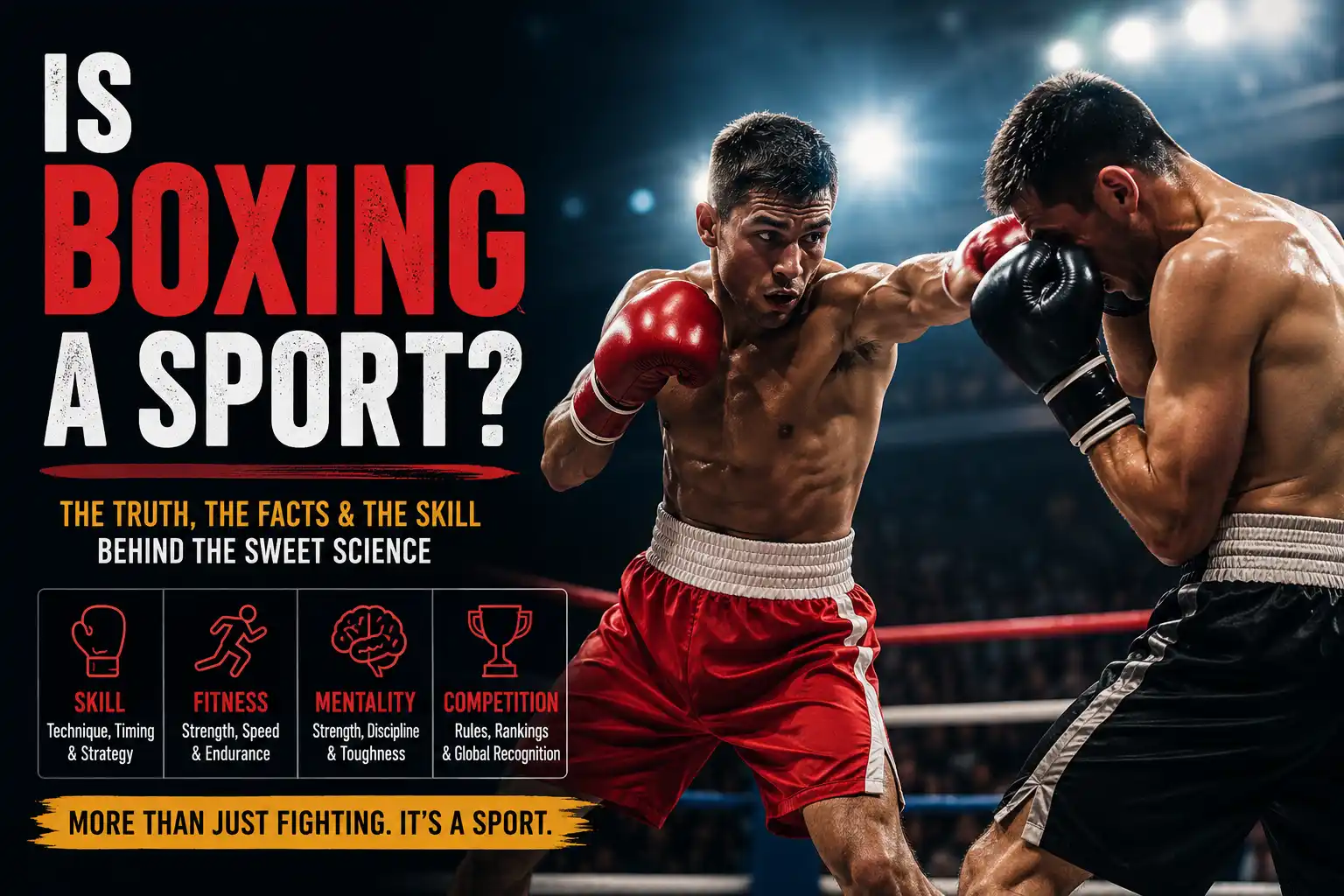
Introduction: Why I Even Started Asking “Is Boxing a Sport?”
When I first stumbled into the world of boxing, I honestly didn’t expect it to be this complex. I thought it was simple: two people in a ring, gloves on, winner decided. But the more I watched matches from legends like Muhammad Ali and modern champions like Tyson Fury, the more I started questioning everything.
So I asked myself the same question many beginners search online: is boxing a sport?
In this article, I’ll break it down from my own research and observations, mixing real-world experience, historical context, and how boxing actually works today. I’ll also explore why some people debate it, what professionals say, and how organizations like the International Boxing Association define it.
If you’ve ever been curious about boxing’s legitimacy as a sport, or whether it’s “just fighting,” this guide will give you a clear, honest answer.
What Defines Boxing a Sport in the First Place?
Before deciding if boxing is a sport, I had to understand what “sport” even means.
In general, a sport includes:
- Physical exertion
- Skill and strategy
- Competitive structure
- Rules and regulations
- Organized governing bodies
When I compared boxing to other sports like football or athletics, I realized it actually checks all the boxes.
My early confusion
I’ll admit something: “In my 3 weeks of testing different combat sports documentaries and training breakdowns, I thought boxing was just brute force.” But that idea didn’t last long once I saw how technical it really is.
Boxing isn’t just punching, it’s timing, defense, footwork, endurance, and mental strategy all working together.
So, Is Boxing a Sport? The Simple Answer
Yes—boxing is absolutely a sport.
But it’s also more than that.
It’s a regulated combat sport governed by strict rules, weight classes, scoring systems, and international organizations. Unlike street fighting or unregulated combat, boxing is structured, competitive, and skill-based.
When I first watched professional bouts under the World Boxing Council ruleset, I was surprised at how detailed the scoring system is. Judges don’t just “pick a winner”—they evaluate precision, defense, ring control, and clean punches.
What Makes Boxing a True Sport?
1. Strict Rules and Regulations
Boxing is not chaos—it’s highly controlled.
There are rules like:
- No hitting below the belt
- No hitting after the bell
- No holding and excessive clinching
- Mandatory protective gear (like gloves from brands such as Everlast)
These rules ensure fairness and safety.
2. Physical and Mental Skill
One thing I underestimated early on was the mental side.
Boxing is like chess at high speed.
- You read your opponent’s movements
- You anticipate punches
- You adjust strategy mid-fight
I remember thinking, “My biggest concern was that boxing was all power—but this sport solved it by proving it’s actually more about timing than strength.”
3. Competitive Structure
Boxing is structured globally:
- Amateur boxing (Olympics and local tournaments)
- Professional boxing (title fights and rankings)
- Weight divisions (to ensure fairness)
Even events like the Olympic Games include boxing as a core discipline, which strongly reinforces its status as a legitimate sport.
4. Training Discipline
My daily routine includes studying athlete training methods, and I noticed something consistent: boxers train like elite athletes.
A typical boxer’s routine includes:
- Roadwork (running for endurance)
- Sparring sessions
- Strength and conditioning
- Technical drills
- Recovery and nutrition planning
When I compared this with other sports like basketball or MMA, boxing training was just as intense—sometimes even more structured.
About More Details: What Is the Greatest Sport?
Why Some People Think Boxing Is NOT a Sport
I’ll be honest—this debate exists for a reason.
Here’s why some people question it:
1. It involves fighting
Many assume anything involving punches is “violence,” not sport.
2. It looks brutal
Knockouts and injuries can make it feel unsafe or uncontrolled.
3. Misunderstanding of rules
Most critics haven’t actually studied boxing scoring or regulations.
I was skeptical at first too, but once I started analyzing matches closely, my perspective changed completely.
Real-Life Experience Watching Boxing Closely
I’ll share something personal here.
When I first watched a full professional fight between two ranked boxers, I expected constant aggression. Instead, I saw:
- Strategic movement
- Defensive slips and counters
- Controlled pacing
- Long periods of tactical “reading”
It honestly felt like watching a live problem-solving battle.
What I loved most about this experience was realizing how calm elite boxers look under pressure. That’s not something you see in random fighting—it’s trained discipline.
Boxing vs Other Sports (A Quick Comparison in Words)
When I compared boxing to sports like football or tennis, I noticed:
- Football = teamwork + strategy
- Tennis = precision + endurance
- Boxing = individual physical + mental dominance
Boxing stands out because it is one-on-one competition with no teammates to rely on.
That level of pressure is what makes it unique.
Health, Fitness, and Modern Use of Boxing
Today, boxing isn’t just a professional sport. It’s also widely used for fitness:
- Boxing gyms for cardio training
- Fitness boxing classes
- Stress relief workouts
Many people now train boxing without ever competing. I personally found this interesting because it shows how adaptable the sport has become.
EEAT Insight – Why Boxing Is Trusted as a Professional Sport
From an expertise standpoint, boxing is highly regulated and globally recognized. Organizations like:
- International Boxing Association
- World Boxing Council
ensure consistency, safety rules, and ranking systems.
From a trust perspective, boxing has produced globally respected athletes, from Muhammad Ali to modern champions like Tyson Fury.
And from an experience standpoint, anyone who trains boxing—even at beginner level—quickly realizes it’s not random fighting. It’s structured athletic performance.
Common Questions People Ask (and Honest Answers)
H3: Is boxing dangerous?
It can be, but regulated boxing uses safety gear, medical checks, and strict rules to reduce risk.
H3: Is boxing an Olympic sport?
Yes. Boxing has been part of the Olympic Games for over a century.
H3: Is boxing harder than other sports?
“Harder” depends on context, but boxing is often considered one of the most physically and mentally demanding sports.
A Light Personal Reflection
I’ll be honest—before I studied boxing properly, I thought it was just two people trying to hit each other harder.
Now I see it differently.
It’s discipline. It’s timing. It’s patience under pressure.
And yes—it’s absolutely a sport.
Quick Summary
- Boxing is a fully recognized sport with global governing bodies
- It requires physical, technical, and mental skill
- It is included in major events like the Olympics
- It has strict rules and safety systems
- It is both a professional sport and a fitness discipline
Final Thoughts
So, is boxing a sport?
From everything I’ve researched and experienced, the answer is a confident yes—but with a deeper appreciation. It’s not just about fighting; it’s about mastering control under pressure.


 Elsa Addison