 Mark Jones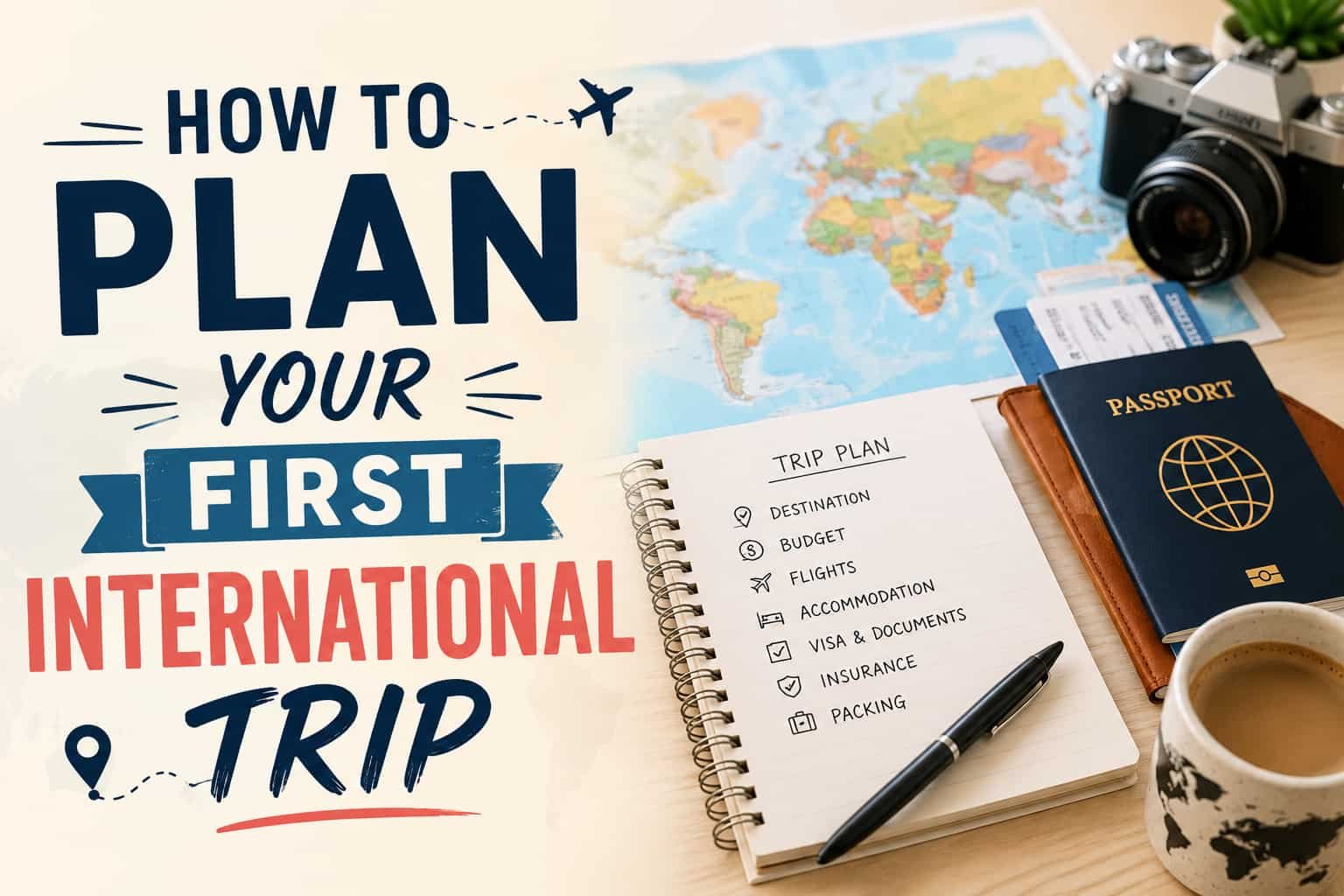
Planning your first international trip can feel like a thrilling mix of excitement and pure overwhelm. New languages, unfamiliar airports, different customs, and the fear of forgetting something important it’s totally normal to feel a bit intimidated. But with the right preparation, your first adventure abroad can be smooth, enjoyable, and deeply rewarding.
In my experience helping friends and drawing from my own travels, thoughtful planning makes all the difference between a stressful scramble and confident exploration. This guide covers everything from choosing your destination to packing smart, navigating airports, and embracing slow travel for a richer experience.
Before heading out on your trip, make sure you have everything prepared in advance. Use this Travel Checklist to stay organized and avoid last-minute stress.
Overview
Planning your first international trip involves setting a realistic budget, securing a passport valid for at least six months, and choosing a destination that matches your comfort level. Key steps include booking flights early, buying travel insurance, researching visa requirements, and organizing currency and connectivity.
1. Preliminary Planning & Logistics
- Check Passport Validity: Ensure your passport is valid for at least six months beyond your planned return date.
- Check Visa Requirements: Research visa requirements for your destination as soon as you choose it, as some take time to process.
- Set a Budget: Determine your budget early, including flights, accommodation, food, activities, and local transport.
- Select Destination & Time: Choose a destination that suits your comfort level, researching the best season for weather and costs.
International Trip Planning 101: What to Do First
If you’ve already picked your destination, congratulations your adventure is underway! Now focus on the practical details that will make or break your trip.
Start by thinking about lodging for those first couple of nights. I always recommend something a little more comfortable than usual because jet lag hits harder than expected. A good rest at the beginning sets a positive tone. Next, figure out transportation. Will you need a rental car? Some countries require an International Driver’s Permit, so check in advance through your local AAA office.
Health preparations matter too. Look up required vaccines or documents through official sources or a travel clinic. Many places need nothing extra, but early checks prevent last-minute stress.
If you’re still deciding on a destination, ask yourself some key questions. How comfortable are you with the language? English or Spanish-speaking countries often feel easier for beginners. How much time do you have, and how much jet lag are you willing to handle? A 6–8 hour difference is usually gentler than 10–12 hours.
Consider your budget honestly—backpacking on a shoestring versus enjoying some comforts with direct flights. For your very first trip, I suggest sticking to one country unless you have at least two weeks. Think about your goals: adventure, relaxation, food, culture, or hiking? Who you’re traveling with and their preferences also shape the plan. Seasonality is crucial off-season means fewer crowds but check for closures.
In my own first big trip, we aimed for Patagonia after wanting a mix of backpacking and road-tripping. We split time between the Chilean and Argentine sides, adding a road trip up the coast to the Atacama Desert. It worked beautifully because we had flexible time, but shorter trips need tighter focus.
Where to Stay on Your First International Trip
Your accommodation can make your first international experience feel welcoming or chaotic. For beginners, balance comfort, location, and budget.
Hostels remain surprisingly good options. Many offer private rooms, clean facilities, and included breakfasts. They’re social and budget-friendly, perfect for meeting fellow travelers. Platforms like Hostelworld have been reliable in my experience.
Hotels and Airbnbs provide more privacy and convenience. Hotels often include kitchenettes, while Airbnbs feel like a home away from home with full kitchens. Booking.com and Agoda frequently offer solid discounts—great for stretching your budget.
Resorts and all-inclusive options shine for special celebrations. I tried this in Madeira and loved the stress-free meals and amenities, though I prefer mixing in local exploration for most of the trip.
Pay attention to meal plans. Breakfast-only stays are my favorite—they save money and simplify mornings. Half board or all-inclusive works well for resort-heavy stays. Always check proximity to attractions and transport for safety and ease.
How to Book Flights for Your First International Trip
Booking that first international flight often feels daunting, but smart strategies help. I recommend services like Thrifty Traveler Premium for deal alerts on cash and points fares. Their notifications have saved me significantly, and using code SKYESTOURY can get you a nice discount on membership.
Book 2–6 months ahead for the best balance of price and availability. Stay flexible with dates—mid-week flights are often cheaper. Consider nearby airports and set price alerts on Google Flights or Hopper.
Don’t overlook comfort. I was skeptical at first about airport lounges, but Priority Pass or credit card access turned long layovers into relaxing breaks instead of exhausting waits.
Travel Hacks That Make Your First International Trip Easier
A few smart tools elevate the entire experience. Travel credit cards top my list. The Capital One Venture card offers great perks with a low annual fee, including lounge access options. The Venture X adds even more benefits. Both avoid foreign transaction fees and provide travel protections.
Travel insurance is non-negotiable. Whether basic coverage or activity-specific for hiking, it brings peace of mind. Compare providers based on your plans.
Simple hacks I swear by: always carry snacks, keep documents organized, and pack light for easier airport navigation. Download WhatsApp, Google Translate (with offline languages), and Duolingo for basic phrases.
Before You Fly: Key Preparations
Double-check your passport validity (six months rule applies in many places). Get your International Driver’s License if needed. I like Airalo eSIMs they’re easy to set up before departure and often cheaper than traditional plans.
Pack power adapters, AirTags for luggage, and digital backups of documents in Google Drive. Share your itinerary with someone trusted. A bit of language practice goes a long way learning “hello,” “thank you,” and “I have a reservation” builds confidence.
After You Arrive at Your Destination: Settling In
Airport Wi-Fi lets you activate your eSIM right away. Go through customs calmly (have your accommodation details ready). In my travels through South America and Europe, the process varied but stayed manageable.
Skip uncertain taxis and use ride apps like Uber, Bolt, or local equivalents for transparent pricing and safety. Once at your lodging, ease into the local time zone. Some rest followed by sunlight and light activity usually beats me in jet lag battles.
What to Pack for Your First International Trip
Packing smart prevents overpacking regrets. I’ve tested various gear extensively, and reliable options make travel smoother.
For bags, the Matador GlobeRider 35 or Hyperlite Southwest 55L excel for backpackers. Rolling options like Topo Designs or REI duffels suit others. Bring key medications (dramamine, ibuprofen, etc.), quick-dry clothing from Outdoor Research, a reusable Nalgene bottle, and comfortable trail runners or Luna Sandals.
Tech essentials include chargers, a good power converter, headphones with an AirFly adapter, and a Kindle. Loop Ear Plugs (use code SKYE10) and a Hyperlite Stuff Sack Pillow have been game-changers for sleep.
Buy sunscreen, bug spray, or skincare locally to save space. For tropical trips, add quick-dry towels, rash guards, and reef-safe sunscreen. Hiking-focused journeys need proper layers and waterproof bags.
The Importance of Slow Travel: Why Taking Your Time Makes Every Trip Better
Slow travel changed how I experience places. Instead of rushing between countries, I now stay longer in fewer spots. On Tenerife, one week felt rushed; three weeks in Madeira let me truly connect with the island.
Even on shorter trips, choose depth over breadth. You’ll discover hidden cafés, repeat favorite meals, and feel more grounded. It reduces transit fatigue and environmental impact while creating memorable moments.
What I Wish I Knew Before My First International Trip
My biggest lesson? A few local phrases open doors more than expected. I was skeptical at first about leaving free time, but unplanned wanders created my favorite memories. Resist over-scheduling. Build in buffer days for rest and spontaneity.
Having a more experienced travel partner helped calm my nerves tremendously. Preparation plus flexibility turned anxiety into pure excitement.
FAQ: First-Time International Travel
How early should I start planning my first international trip?
Aim for 2–3 months minimum. This covers passports, visas, flights, and vaccinations without rushing.
Do I need travel insurance for my first international trip?
Highly recommended. It protects against delays, medical issues, and lost luggage. I never travel without it now.
Should I stick to one country on my first trip?
Yes, especially with one week. Two nearby countries can work with more time, but less movement means less stress.
Final Thoughts
Your first international trip marks the beginning of something special. Stay flexible, pack lighter than you think, and give yourself permission to slow down and savor moments. Whether you’re exploring Patagonia, relaxing on an island, or wandering European streets, the world is waiting.
What’s your biggest worry or most exciting destination for your first international trip? Share in the comments below—I’d love to hear your plans and offer any tailored tips. Safe travels, and here’s to many more adventures ahead!


 Michael Nelson