 Mark Jones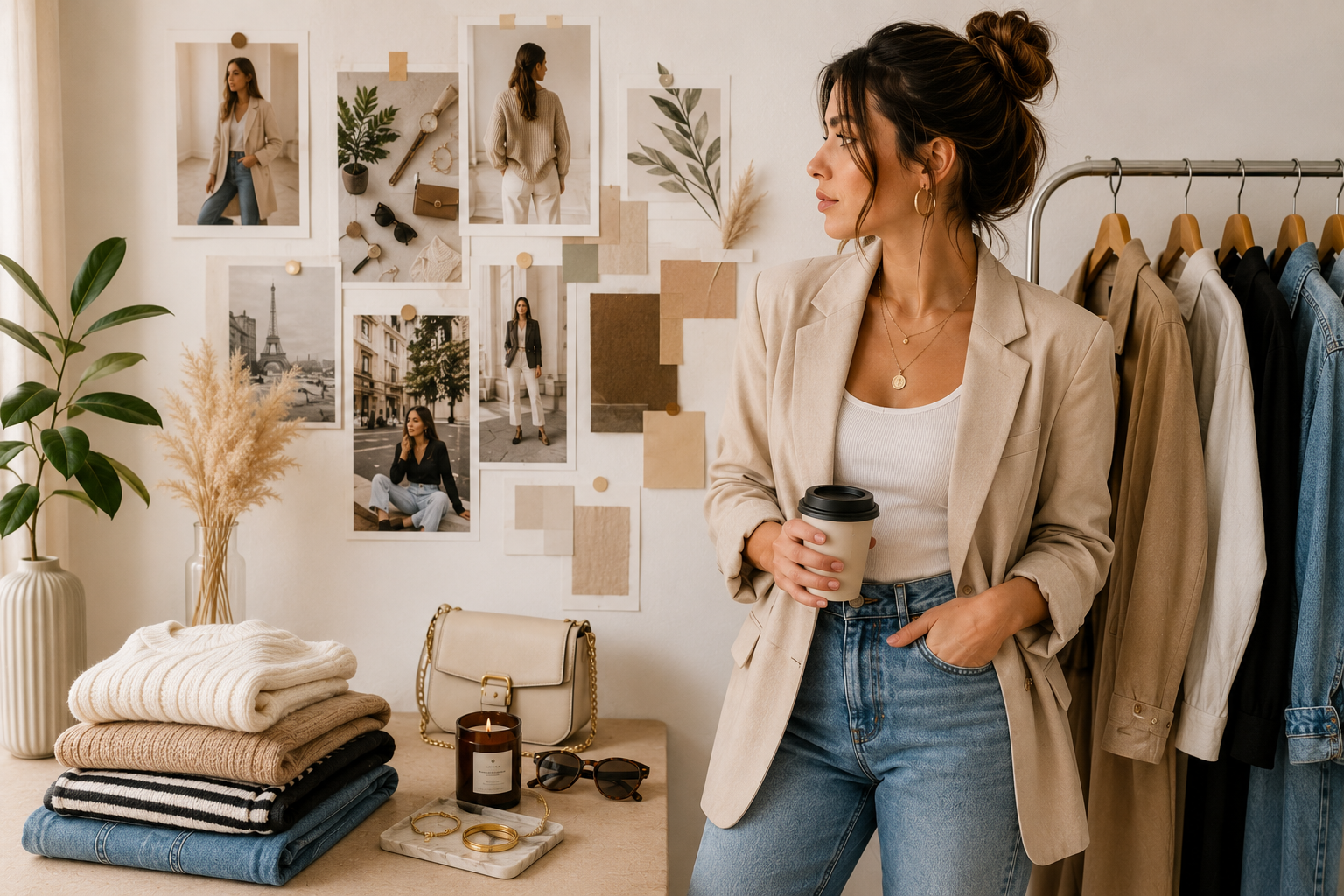
Finding your personal fashion style can feel surprisingly overwhelming. In my experience, most people do not actually struggle because they “have no style.” They struggle because they are surrounded by too many trends, too many aesthetics, and too much pressure to dress a certain way.
One week minimalist fashion is everywhere. The next week it is Y2K, quiet luxury, coquette, goth, or cottagecore. After a while, it becomes hard to tell what you genuinely like versus what social media keeps showing you.
I have also noticed that many people feel frustrated because clothing brands often ignore real body diversity. If you are midsize or plus-size, finding stylish and flattering clothes can feel even harder. Many shoppers end up stuck between boring basics and expensive trend pieces that do not feel authentic.
The good news is that personal style is not something you are born with. It is something you build over time through experimentation, observation, and self-awareness.
While exploring your personal fashion identity, it can also help to look at timeless menswear inspiration like Summer Outfits Every Gentleman to understand how classic outfit formulas stay stylish without relying on fast-changing trends.
This guide walks through practical steps that genuinely help you discover your fashion identity without wasting money or copying someone else’s look.
Overview
Finding your personal fashion style starts with understanding what already makes you feel comfortable, confident, and authentic. One of the most effective methods is analyzing your current wardrobe to identify favorite pieces, recurring colors, silhouettes, and fabrics. Creating inspiration boards on platforms like Pinterest or Instagram can also help you spot patterns in the outfits you naturally gravitate toward. A Wardrobe with Personal Fashion Style is like a dream.
Another useful strategy is defining your ideal aesthetic with three keywords such as “comfortable, polished, creative” or “minimal, edgy, relaxed.” In many cases, documenting your daily outfits through mirror selfies or wardrobe apps makes it easier to see what actually works in real life rather than just in theory. Personal Fashion Style improve our personality and appearance.
Intentional shopping, experimenting with silhouettes, trying thrifted pieces, and focusing on quality basics instead of trend overload can gradually help you build a wardrobe that feels genuinely personal. Most importantly, style evolves over time, so the goal is not perfection it is learning what feels like you.
Building your Personal Fashion Style becomes much easier when you understand your favorite colors, silhouettes, fabrics, and outfit combinations that truly reflect your personality.
Why So Many People Struggle to Find Their Style
A lot of people assume stylish individuals simply “know” how to dress. In reality, most people experiment for years before developing a clear sense of style.
Several things make the process harder:
- Fast-changing trends
- Social media pressure
- Unrealistic body standards
- Shopping overwhelm
- Lack of size inclusivity
- Buying clothes for fantasy lifestyles
I learned that one of the biggest mistakes is buying clothes for the person you wish you were instead of the person you actually are right now.
For example, you may love dramatic runway fashion or hyper-feminine outfits online, but if your lifestyle revolves around work, errands, or parenting, those outfits may never leave the closet.
A strong Personal Fashion Style often comes from wearing pieces that flatter your body shape while still allowing you to express creativity and individuality.
That does not mean you cannot incorporate elements of those aesthetics. It simply means your style needs to work with your real life.
Step 1: Analyze Your Existing Closet
Before buying anything new, start with the clothes you already own.
This step sounds simple, but it reveals a surprising amount about your preferences.
Identify Your Favorite Pieces
Pull out the outfits you wear repeatedly.
Ask yourself:
- Which clothes make me feel confident?
- Which outfits feel effortless?
- Which fabrics do I naturally reach for?
- Which colors appear most often?
In my experience, people usually already own clues to their personal style — they just have not analyzed them carefully.
You may notice patterns such as:
- Neutral colors
- Relaxed silhouettes
- Structured blazers
- Oversized layers
- Monochrome outfits
- High-waisted pants
- Vintage-inspired details
At the same time, examine the clothes you never wear.
Those neglected pieces often reveal just as much.
Maybe you dislike:
- Floral prints
- Stiff fabrics
- Low-rise jeans
- Bodycon dresses
- Loud patterns
- Trendy cuts
Understanding what does not work is incredibly valuable.
Step 2: Create a Style Inspiration Board
One of the best tools for style discovery is creating a mood board.
Platforms like Pinterest, Instagram, and TikTok make this process much easier.
Save Outfits Without Overthinking
Whenever an outfit catches your attention, save it.
Do not ask:
“Could I pull this off?”
Instead ask:
“Why do I like this?”
After collecting enough images, patterns begin to appear.
You may discover recurring themes like:
- Layering
- Tailored silhouettes
- Soft neutrals
- Streetwear elements
- Vintage denim
- Goth-inspired accessories
- Minimalist basics
- Feminine textures
Separate Fantasy Style From Real-Life Style
This was personally one of the most helpful exercises for me.
Create separate inspiration boards for:
- Dream fashion
- Admired-but-unrealistic outfits
- Realistic everyday style
This prevents impulse buying and helps you focus on outfits you would actually wear consistently.
Step 3: Define Your Style With Three Words
A surprisingly effective method is choosing three words that define how you want your style to feel.
Examples:
- Comfortable, polished, modern
- Feminine, playful, relaxed
- Bold, artistic, dramatic
- Minimal, structured, timeless
These words become a filter for future shopping decisions.
If an item does not fit your three-word vision, you probably do not need it.
This method also reduces trend-chasing because you focus on consistency rather than random purchases.
Step 4: Learn What Flatters Your Body Shape
Finding your style becomes easier once you understand silhouettes and proportions.
This does not mean following strict fashion “rules.” It simply means noticing what feels balanced and comfortable on your body.
Many people find systems like the Kibbe body types helpful for understanding:
- Vertical lines
- Curve accommodation
- Structure
- Fabric drape
Creators like Ally Art discuss these concepts in beginner-friendly ways.
For example:
- Some people look best in soft draping fabrics
- Others suit sharp tailoring
- Some thrive in oversized layers
- Others prefer fitted silhouettes
In my experience, learning your best silhouettes saves both money and frustration.
Step 5: Build a Strong Foundation With Basics
A stylish wardrobe does not require hundreds of trendy pieces.
In fact, having reliable basics often makes outfits look more intentional.
Many fashion enthusiasts eventually realize the importance of:
- High-quality jeans
- Neutral trousers
- Layering tops
- Comfortable jackets
- Versatile shoes
- Simple knitwear
Brands like Banana Republic, Old Navy, Athleta, and Universal Standard are often recommended for basics across different sizes.
A strong basics wardrobe allows statement pieces to stand out naturally.
Step 6: Experiment Without Spending Too Much
You do not need a huge budget to explore fashion.
Thrifting can be incredibly helpful because it lowers the risk of experimentation.
Stores like:
- Goodwill
- Plato’s Closet
- Ross
often allow people to test silhouettes, colors, and aesthetics affordably.
I have found that secondhand shopping also encourages creativity because you stop relying entirely on current trends.
It is also a practical alternative for shoppers who want to avoid ultra-fast fashion retailers like Shein.
Step 7: Explore Different Fashion Aesthetics
Sometimes people struggle with style because they have never explored aesthetics intentionally.
You might resonate with:
- Minimalist fashion
- Y2K fashion
- Cottagecore
- Coquette
- Boho
- Grunge
- Whimsy goth
- Streetwear
- Tailored chic
- Theatrical fashion
The goal is not choosing one label forever.
Instead, think of aesthetics as inspiration categories.
For example, you may combine:
- Minimal basics
- Vintage accessories
- Goth-inspired boots
- Feminine layering
- Relaxed tailoring
Personal style usually comes from blending influences rather than copying one exact aesthetic.
Step 8: Use Outfit Photos to Track What Works
One underrated trick is taking daily outfit selfies.
Apps like Indyx help document outfits and organize wardrobes digitally.
Looking at photos helps you notice:
- Which outfits feel balanced
- Which colors flatter you
- Which proportions work best
- Which pieces you repeatedly avoid
The mirror often tells a different story than photographs.
This habit also helps prevent unnecessary shopping because you become more aware of what you already own.
Step 9: Shop More Intentionally
Intentional shopping changed my wardrobe more than any trend ever did.
Before buying something, ask:
- Does this fit my lifestyle?
- Can I style it multiple ways?
- Does it align with my color palette?
- Does it match my three style words?
- Will I realistically wear it often?
Many people also find capsule wardrobe methods helpful.
Challenges like the “3-3-3 method” encourage styling:
- 3 tops
- 3 bottoms
- 3 shoes
into multiple outfit combinations.
This quickly reveals whether your wardrobe actually works together.
Step 10: Accept That Your Style Will Evolve
One of the biggest misconceptions is believing personal style should stay fixed forever.
In reality, style changes naturally because:
- Bodies change
- Lifestyles evolve
- Careers shift
- Confidence grows
- Interests develop
Someone who loved bright theatrical fashion at 22 may prefer relaxed tailoring at 32.
That evolution is normal.
Fashion should support your life not trap you in an outdated identity.
Helpful Resources for Style Inspiration
Several creators and resources are frequently recommended for style exploration:
- Carrie Dayton for midsize fashion inspiration
- Jessica Blair for authentic plus-size styling
- Emily Wheatley for practical styling ideas
- The Curated Closet for wardrobe-building strategies
You can also explore inclusive brands like:
- Torrid
- Lane Bryant
- Dia & Co
- Eloquii
Final Thoughts
Finding your Personal Fashion Style is less about following trends and more about understanding yourself.
In my experience, the people with the strongest style are not necessarily the trendiest. They simply know what makes them feel confident, comfortable, and authentic. Our Personal Fashion Style create a class in it’s own.
Start small:
- Analyze your wardrobe
- Save inspiration
- Experiment thoughtfully
- Learn your silhouettes
- Build around reliable basics
- Stop buying for fantasy versions of yourself
Most importantly, allow yourself to evolve.
Personal Fashion style is not a final destination. It is an ongoing process of self-expression, creativity, and confidence.

 Elsa Addison